Every time you type a website address into your browser, something powerful happens in the background. That invisible system is DNS technology, and it plays a critical role in how the internet functions. Without DNS, the web as we know it would be slow, confusing, and nearly impossible to use.
DNS technology matters globally because it connects users to websites, applications, APIs, and cloud services in milliseconds. As businesses expand internationally, reliable DNS resolution becomes essential for speed, uptime, and security. Indian hosting infrastructure has evolved rapidly in this area, offering cost-effective, low-latency, and globally competitive DNS performance.
With strong compliance standards, modern data centers, and scalable networks, Indian servers are now a smart choice for DNS-driven websites serving users worldwide. This guide explains DNS technology in simple terms and shows why it is so important for modern hosting.

What Is DNS Technology and How It Works
DNS technology stands for Domain Name System technology. It acts like the phonebook of the internet. Humans remember domain names such as example.com, but computers communicate using IP addresses.
When you enter a website URL, DNS translates that domain name into an IP address so your browser can locate the correct server. This entire process happens in seconds.
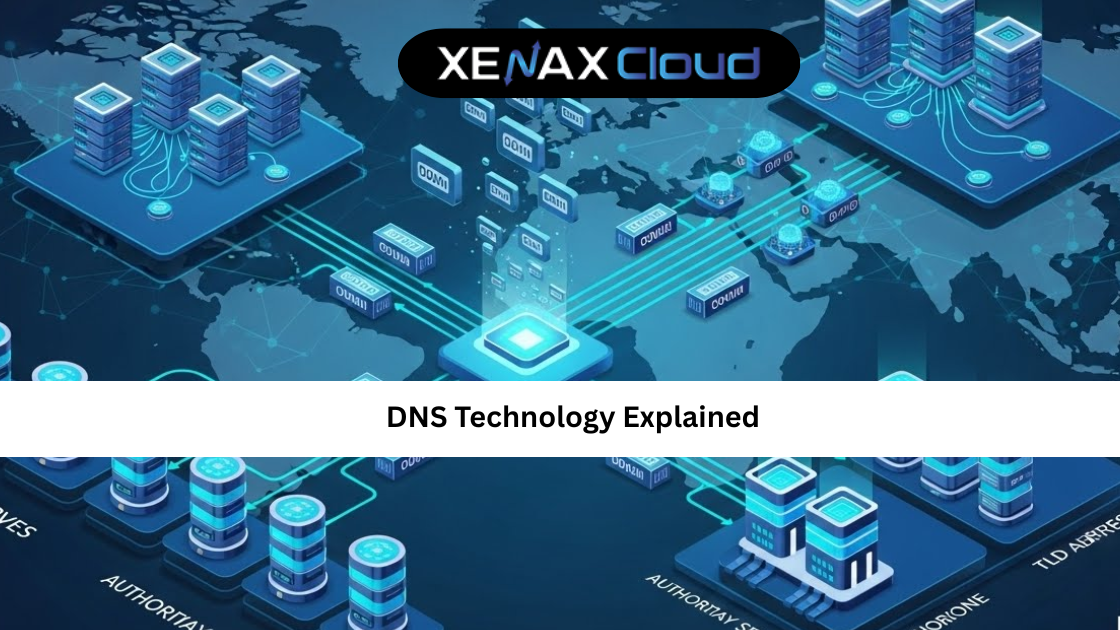
DNS uses a distributed system of servers, including recursive resolvers, root servers, and authoritative name servers. Each layer plays a role in finding the correct IP address efficiently.
Because DNS operates globally, its speed and reliability directly impact website loading times and user experience.
Why DNS Technology Is Critical for Websites and Businesses
DNS technology is more than just name resolution. It affects website availability, performance, and security.
If DNS fails, your website becomes unreachable even if the server is running perfectly. For businesses, this can mean lost revenue, reduced trust, and poor user experience.
Modern DNS systems also support load balancing, failover, and geo-routing. These features ensure users are directed to the nearest or healthiest server.
Reliable DNS technology is essential for eCommerce platforms, SaaS applications, and global brands that depend on uninterrupted access.
How to Choose the Right Hosting Plan for DNS Reliability
Choosing the right hosting plan directly impacts DNS performance. Cheap or overloaded hosting environments may use slow or poorly maintained DNS servers.
For basic websites, Shared Hosting – Silver is sufficient, as it includes managed DNS support for simple domain setups.
However, growing businesses and developers benefit from VPS hosting, which allows greater control over DNS configurations and faster resolution times. XenaxCloud VPS hosting offers scalable infrastructure and reliable DNS handling:
https://xenaxcloud.com/vps-server/
Selecting a hosting plan with strong DNS support ensures faster website access and fewer resolution issues.
Speed, Uptime, and Security Advantages of Modern DNS
DNS technology directly influences speed. Faster DNS resolution means faster page loading, especially for first-time visitors.
Indian data centers now provide optimized DNS routing, low latency in Asia, and competitive speeds globally. This helps websites perform well across regions.
From a security perspective, modern DNS supports protection against attacks like DNS spoofing and cache poisoning. Secure DNS configurations help prevent traffic hijacking and data interception.
High uptime ensures DNS queries are always answered, keeping websites accessible around the clock.
Real-World Use Cases of DNS Technology
DNS technology is used everywhere, even if users never notice it.
Businesses rely on DNS to route email traffic, manage subdomains, and connect APIs. Developers use DNS records to configure staging environments and microservices.
Content delivery networks use DNS to route users to the nearest server location. Enterprises depend on DNS failover to maintain uptime during outages.
These real-world applications show how DNS supports both small websites and large global platforms.
Why Indian Servers Handle Global DNS Traffic Efficiently
Indian hosting infrastructure has improved significantly in global connectivity. Modern routing agreements and optimized peering allow Indian servers to resolve DNS queries quickly for international users.
Low latency in Asia makes India ideal for regional audiences, while strong backbone connectivity ensures stable performance in Europe, the US, and the Middle East.
This balance makes Indian servers a reliable choice for DNS-driven websites with global reach.
Scalability Options for Startups and Agencies
As websites grow, DNS requirements become more complex. Startups may begin with a single domain but later manage multiple subdomains and services.
VPS hosting allows scalable DNS configurations, making it easier to add new records, routes, and failover rules. Agencies managing multiple client domains benefit from centralized DNS control.
Scalable DNS infrastructure ensures smooth growth without disruptions.
Comparison: Indian DNS Servers vs Foreign Regions
| Factor | India | USA | Germany | UAE |
|---|---|---|---|---|
| Latency in Asia | Low | High | Moderate | Moderate |
| Global Reach | Strong | Strong | Strong | Moderate |
| DNS Uptime | High | High | High | High |
| 24/7 Support | Yes | Yes | Yes | Yes |
This comparison highlights why Indian servers are capable of handling global DNS workloads effectively.
Flush DNS Windows and Clear DNS Cache Mac
Sometimes DNS issues are caused by cached records stored on your device. Knowing how to flush DNS Windows systems can quickly resolve access problems.
On Windows, flushing DNS clears outdated or incorrect DNS records so your system fetches fresh data from DNS servers.
Similarly, clear DNS cache Mac helps resolve browsing issues on macOS devices. Clearing the cache forces the system to request updated DNS information.
These simple steps often fix website loading errors without server changes.
FAQs
What is DNS technology used for?
DNS technology translates domain names into IP addresses.
Can DNS affect website speed?
Yes, faster DNS resolution improves page load time.
How often should I flush DNS on Windows?
Only when facing connectivity or resolution issues.
Is Indian DNS hosting reliable globally?
Yes, Indian servers handle global DNS traffic efficiently.
How reliable is XenaxCloud hosting?
XenaxCloud offers stable uptime, secure DNS, and 24/7 support.
Conclusion
Understanding DNS technology is essential for anyone running a website, application, or online business. DNS controls how users reach your services and directly impacts speed, uptime, and trust.
With modern Indian hosting infrastructure, XenaxCloud delivers reliable DNS performance, strong security, and global scalability. Backed by a 15-day money-back guarantee, XenaxCloud is a dependable choice for businesses worldwide.
The latest deals and offers are always available on the XenaxCloud Offers Page:
https://xenaxcloud.com/offers