Email is still the backbone of business communication. Companies send invoices, client updates, marketing campaigns, and internal messages through email every day. Because of this, businesses increasingly prefer running their own vps email server instead of relying entirely on shared email services.
A VPS email server gives organizations complete control over email infrastructure. It allows businesses to manage spam filtering, security policies, and storage without depending on third-party limitations.
Across the world, companies are deploying email infrastructure on cloud servers that provide stable connectivity and strong security. Indian hosting infrastructure has become a smart choice for global businesses because it offers cost-effective solutions, low latency across Asia, reliable compliance standards, and scalable server environments.
In this vps email server guide, we explain how VPS email hosting works, how to choose the right server configuration, and why modern businesses benefit from secure hosting environments.

What Is a VPS Email Server?
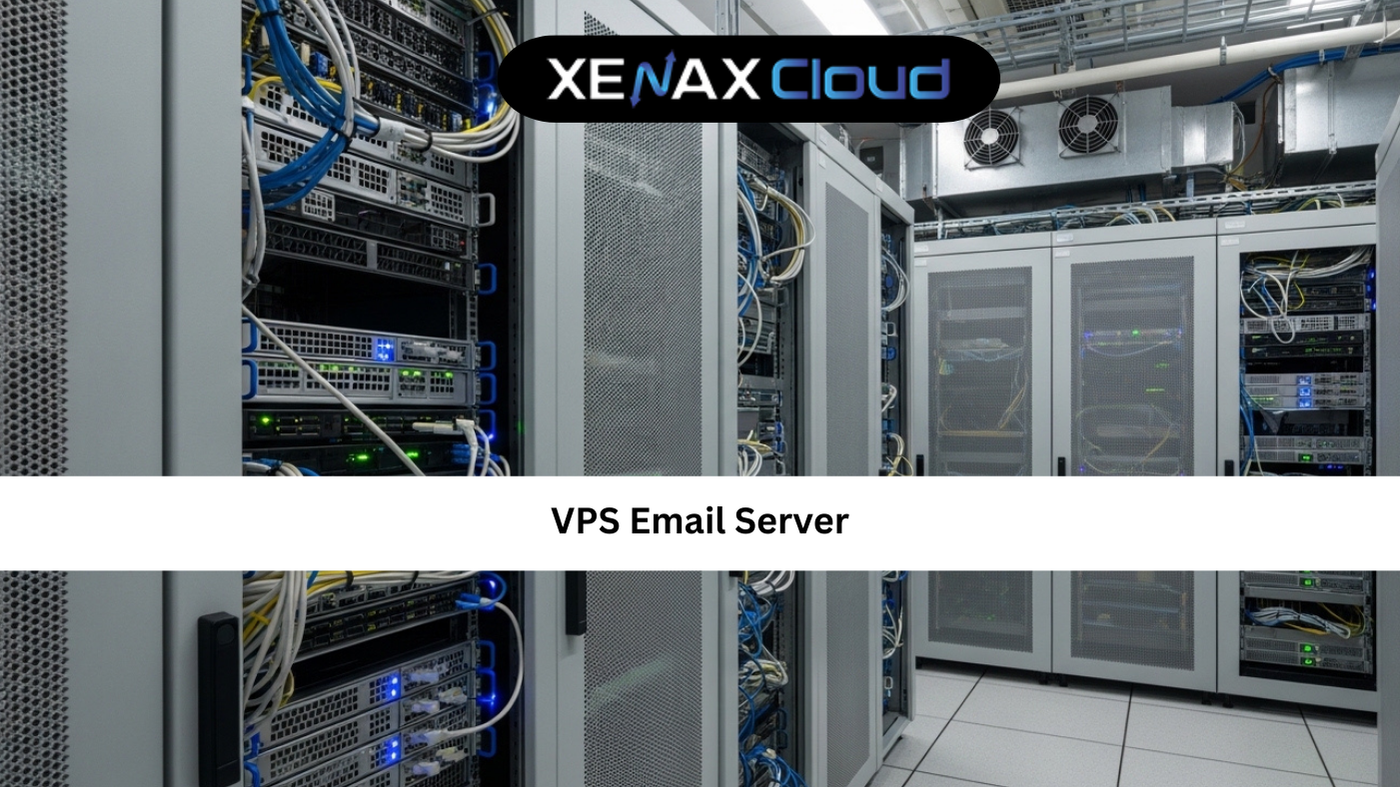
A vps email server is a virtual private server configured specifically to send, receive, and store email messages.
Instead of using shared email platforms, companies run their own mail server software such as Postfix, Exim, or Microsoft Exchange on a VPS.
This approach offers several advantages.
First, businesses gain full control over email policies, storage limits, and domain authentication.
Second, email deliverability improves because administrators can configure SPF, DKIM, and DMARC records properly.
Third, VPS environments provide dedicated resources that ensure email services remain stable even during high traffic periods.
For organizations managing multiple domains or large mailing lists, this level of control is extremely valuable.
VPS Email Server Guide: Choosing the Right Hosting Plan
Selecting the correct infrastructure is critical when deploying a vps email server.
Email servers require stable CPU performance, sufficient memory, and reliable bandwidth. Businesses must also ensure that the hosting provider supports proper mail server configurations.
You can explore scalable VPS infrastructure here:
https://xenaxcloud.com/vps-server/
For small organizations starting their email infrastructure:
KVM VPS 1 — 2 Vcore CPU, 8GB RAM, 40GB Storage, 2TB Bandwidth, $5.99
This configuration supports secure email hosting for small teams.
For growing companies handling higher email traffic:
KVM VPS 2 — 4 Vcore CPU, 16GB RAM, 50GB Storage, 4TB Bandwidth, $10.79
These resources ensure stable email delivery and sufficient storage capacity.
Following these vps email server tips helps businesses build reliable mail systems.
Speed, Uptime, and Security Advantages
A well-configured vps email server offers several performance benefits compared to shared email services.
Dedicated resources improve processing speed when sending and receiving messages. This means emails reach recipients faster and attachments upload quickly.
Reliable uptime is also essential. Email systems must operate continuously to avoid missed messages or delayed communication.
Security is another major advantage. VPS servers allow administrators to configure firewalls, anti-spam filters, and encryption policies that protect business communication.
Email authentication protocols such as SPF, DKIM, and DMARC help prevent spoofing and improve domain reputation.
For organizations handling sensitive communication, secure VPS environments provide strong protection against unauthorized access.
Comparison: Indian Servers vs Global Hosting Regions
When deploying email infrastructure globally, server location matters. Network latency and infrastructure reliability influence how quickly emails are delivered.
Below is a simplified comparison of major hosting regions.
| Region | Latency in Asia | Global Connectivity | Support Availability | Provisioning Speed |
|---|---|---|---|---|
| India | Low | Competitive Worldwide | 24/7 | Fast |
| USA | Moderate | Strong Americas | Time Zone Dependent | Moderate |
| Germany | Higher for Asia | Strong Europe | Regional | Moderate |
| UAE | Good for Middle East | Regional Strength | Regional | Fast |
Indian hosting infrastructure provides balanced connectivity and reliable performance, making it suitable for global email systems.
Real-World Use Cases for VPS Email Servers
Businesses across many industries rely on vps email server guide solutions.
Corporate organizations use VPS mail servers to manage internal communication and company-wide email accounts.
Digital agencies host email systems for multiple client domains, ensuring each client has professional branded email addresses.
E-commerce companies depend on reliable mail servers to send order confirmations, customer support messages, and marketing campaigns.
Developers also deploy transactional email systems for applications that send automated notifications or password reset messages.
These examples show why reliable email hosting is essential for modern businesses.
Why Indian Servers Can Handle Global Email Traffic
Modern data centers in India provide powerful network infrastructure capable of serving international traffic.
Advanced routing systems ensure reliable connectivity between continents. This helps email messages reach recipients quickly regardless of location.
Indian hosting providers also maintain strong uptime standards and professional technical support.
For global companies operating across multiple regions, these benefits create stable and secure email infrastructure.
Reliable hosting environments help ensure email communication remains uninterrupted and secure.
Scalability Options for Startups and Agencies
One of the main advantages of VPS hosting is scalability.
Businesses can start with a small vps email server configuration and increase resources as their communication needs grow.
For example, startups may begin with a basic server to host internal emails. As the organization expands, they can upgrade RAM, storage, and bandwidth without migrating to a new platform.
Agencies managing email systems for multiple clients also benefit from scalable infrastructure because they can isolate each client environment.
This flexibility allows businesses to maintain stable performance even as email traffic increases.
FAQ
What is the difference between Indian VPS and foreign VPS?
Indian VPS servers offer lower latency across Asia while maintaining competitive connectivity for global email delivery.
Can Indian servers handle global website traffic?
Yes, modern Indian data centers use advanced networking infrastructure capable of serving international users reliably.
Is Indian hosting cost-effective for international users?
Yes, Indian hosting environments provide competitive pricing while maintaining strong reliability and performance.
How reliable is XenaxCloud hosting?
XenaxCloud provides stable infrastructure, strong uptime performance, and professional technical support for businesses worldwide.
How to choose the right server for my business?
Evaluate your email volume, number of users, storage requirements, and security needs before selecting a hosting plan.
Conclusion
Running a vps email server gives businesses greater control over communication, security, and performance. Instead of relying on third-party email providers, organizations can build their own reliable email infrastructure.
With dedicated resources, advanced security settings, and scalable configurations, VPS hosting provides an ideal environment for business email systems.
Indian hosting infrastructure offers cost-effective resources, strong global connectivity, reliable uptime, and secure server environments for modern businesses.
XenaxCloud delivers powerful VPS hosting designed to support secure email systems and growing business communication needs.