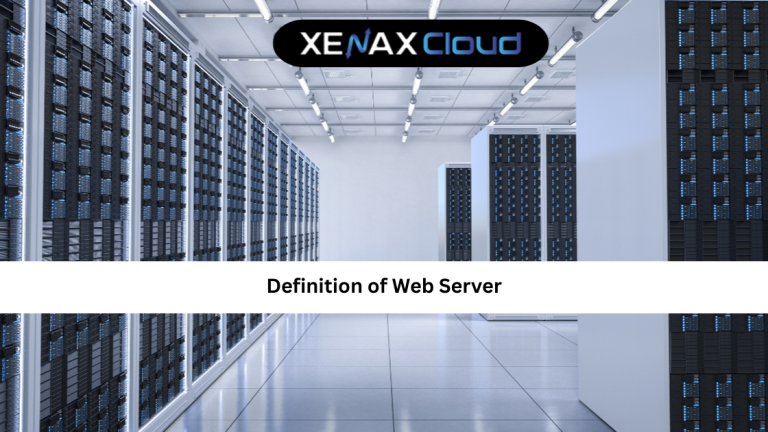
The internet runs on a powerful network of servers that deliver websites, applications, and digital content to users around the world. Understanding the definition of web server is essential for anyone learning about websites, hosting, or modern cloud infrastructure.
In simple terms, a web server is a computer system that stores website files and delivers them to users when they visit a website. Whenever someone opens a website in a browser, the request is sent to a web server, which then sends back the required web pages, images, scripts, and other resources.
Today, businesses, developers, and online platforms rely heavily on web servers to run applications and provide digital services. With the rapid growth of global internet traffic, reliable hosting infrastructure has become more important than ever.
Indian hosting infrastructure has emerged as a strong global option because it offers cost-effective server resources, low latency across Asia, reliable security standards, and scalable infrastructure for international businesses.
In this definition of web server tutorial, we will explore how web servers work, why they are essential for websites, and how choosing the right hosting environment can improve performance and reliability.

Understanding the Definition of Web Server
To clearly understand the definition of web server, we need to look at how websites are delivered to users.
A web server is both software and hardware that processes requests from users and delivers web content through the internet. The server stores website files such as HTML pages, images, videos, and scripts.
When a user enters a website address in a browser, the browser sends an HTTP request to the server. The server processes this request and sends the requested data back to the browser.
This entire process usually takes only a few milliseconds, allowing users to view web pages instantly.
Popular web server software includes:
- Apache HTTP Server
- Nginx
- Microsoft IIS
- LiteSpeed
Each of these servers performs the same basic task: delivering web content to users.
Understanding the definition of web server guide helps beginners understand how websites actually function behind the scenes.
How a Web Server Works
The operation of a web server follows a simple but powerful process.
First, a user enters a website URL into a browser such as Chrome or Firefox.
The browser sends a request through the internet to the server hosting the website. This request is known as an HTTP or HTTPS request.
The web server receives the request and locates the requested files stored on the server.
Finally, the server sends those files back to the user’s browser, allowing the website to appear on the screen.
Although this process sounds simple, modern websites often involve multiple servers, databases, and APIs working together.
This is why understanding the definition of web server tutorial is important for developers building modern web applications.
Real-World Use Cases for Web Servers
Understanding the definition of web server tutorial becomes easier when looking at real-world applications.
E-commerce platforms rely on web servers to deliver product pages, manage transactions, and process customer requests.
Streaming services use powerful web servers to deliver video content to millions of users simultaneously.
Corporate websites depend on web servers to host company information, marketing pages, and customer portals.
Developers also use web servers to host APIs, mobile application backends, and cloud-based services.
Every modern digital platform depends on web servers to function properly.
Scalability Options for Startups and Agencies
Startups often begin with small hosting environments and scale their infrastructure as their user base grows.
VPS hosting provides the flexibility needed for this growth. Administrators can upgrade CPU, RAM, or storage resources without migrating servers.
Digital agencies hosting multiple client websites also benefit from scalable infrastructure.
Each client project can run on separate environments while sharing the same hosting platform.
FAQ
What is the difference between Indian VPS and foreign VPS?
Can Indian servers handle global website traffic?
Is Indian hosting cost-effective for international users?
How reliable is XenaxCloud hosting?
How to choose the right server for my business?
Conclusion
Understanding the definition of web server is essential for anyone working with websites, hosting, or modern web applications.
A web server acts as the foundation of the internet by delivering website content to users across the globe. Reliable servers ensure fast loading speeds, secure connections, and stable website performance.
Indian hosting infrastructure provides cost-effective resources, strong connectivity, and scalable environments suitable for businesses of all sizes.
XenaxCloud offers powerful hosting solutions designed for startups, developers, and enterprises that need reliable web server infrastructure.
With a 15-day money-back guarantee, businesses can confidently deploy their hosting environment and test performance risk-free.
Visit the XenaxCloud Offers Page to explore the latest deals and start building reliable web infrastructure today.