If you’ve ever visited a website, you’ve already used an HTTP server without realizing it. Understanding what is a HTTP server is one of the first steps toward learning how websites are delivered across the internet. Every webpage, image, video, or downloadable file you access is sent from an HTTP server to your browser using the Hypertext Transfer Protocol (HTTP). Whether you’re launching a personal blog, an online store, or a business website, HTTP servers make online communication possible.
Choosing reliable hosting is just as important as understanding how HTTP works. Modern Indian hosting infrastructure offers affordable pricing, low latency across Asia, excellent global connectivity, enterprise-grade security, and scalable resources. These advantages make Indian servers an excellent choice for businesses serving both regional and international audiences.

What Is a HTTP Server?
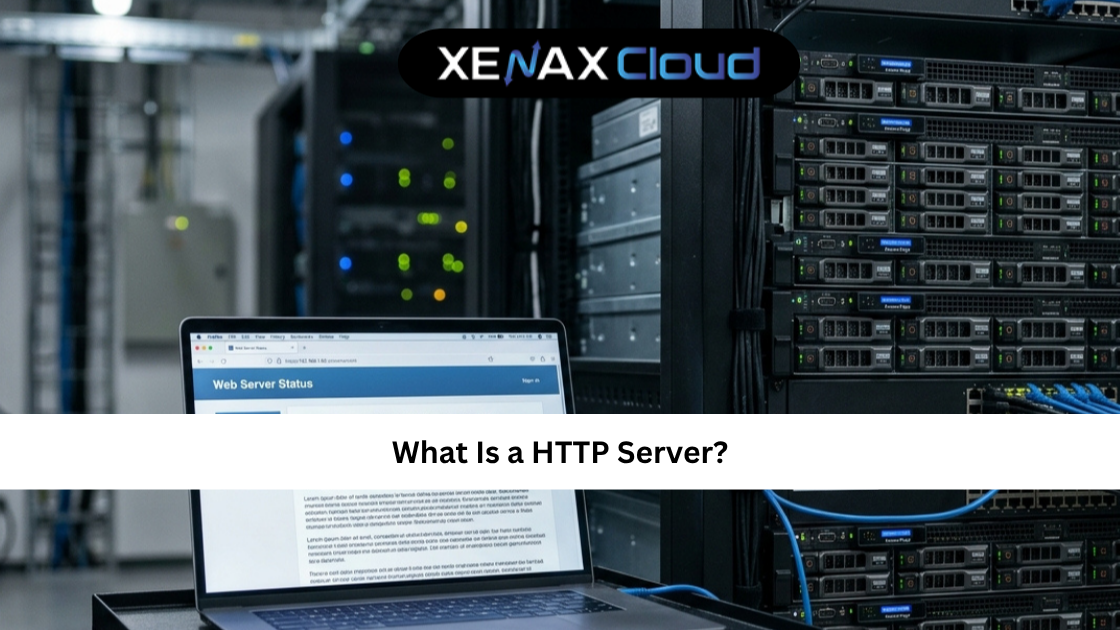
To understand what is a HTTP server, think of it as the computer responsible for storing website files and delivering them whenever someone visits a website. When a visitor enters a website address into their browser, the browser sends an HTTP request to the server. The server processes the request and returns the appropriate webpage, image, CSS file, JavaScript file, or other content.
Popular HTTP server software includes:
- Apache HTTP Server
- Nginx
- LiteSpeed Web Server
- Microsoft IIS
Each server is designed to efficiently handle incoming requests while delivering website content quickly and securely.
If you’re planning to host websites or web applications, reliable Shared Hosting from XenaxCloud provides an excellent platform for beginners and businesses alike.
How to Choose the Right Hosting for an HTTP Server
Knowing what is a HTTP server is only the beginning. The quality of your hosting directly affects website speed, uptime, security, and user experience. A good hosting provider ensures your HTTP server remains available around the clock while delivering fast responses to visitors.
When selecting hosting, consider:
- SSD or NVMe storage
- Latest PHP support
- One-click website installation
- SSL certificate
- Daily backups
- Strong security features
- High uptime
- Easy scalability
Following this what is a HTTP server guide helps website owners select hosting that supports long-term growth while providing reliable performance.
Recommended Hosting Plan
For blogs, company websites, portfolios, and small business websites, XenaxCloud recommends the following hosting plan.
Gold Shared Hosting
- 3 Websites
- 25GB Storage
- 500GB Bandwidth
- $2.39/month
Ideal for:
- Personal blogs
- Business websites
- Landing pages
- Portfolio websites
- Startup companies
- Small online stores
- Agency websites
Why Indian Hosting Is a Smart Choice
Indian hosting has become increasingly popular because modern data centers provide excellent connectivity and enterprise-level infrastructure. Businesses targeting Asia benefit from lower latency, while global organizations enjoy reliable international network routes and stable server performance.
Major advantages include:
- Cost-effective hosting solutions
- Low latency throughout Asia
- Competitive global website speed
- Enterprise-grade security
- High availability
- Easy resource upgrades
- Professional 24/7 technical support
Whether you’re following a what is a HTTP server tutorial or launching your first website, reliable hosting helps ensure your HTTP server delivers content quickly, securely, and consistently to visitors worldwide.
Speed, Uptime, and Security Advantages
Understanding what is a HTTP server also means understanding why performance matters. Every time a visitor opens your website, the HTTP server processes the request and delivers the required content. A slow server increases page loading time, while a fast server improves user experience, SEO rankings, and conversion rates.
Reliable hosting includes SSD storage, optimized server software, powerful processors, and stable networking to ensure HTTP requests are handled quickly. Security is equally important. Features such as SSL certificates, firewalls, malware protection, DDoS mitigation, automatic backups, and regular updates help protect websites from threats. Following this what is a HTTP server guide allows businesses to build secure, reliable, and high-performing websites for visitors around the world.
Real-World Use Cases
A clear understanding of what is a HTTP server helps businesses choose the right infrastructure for their online services. HTTP servers are used in almost every industry because they efficiently deliver web content to users.
Common real-world applications include:
- Business websites
- Corporate portals
- eCommerce stores
- WordPress websites
- SaaS applications
- Educational platforms
- Government portals
- REST APIs
- Customer dashboards
- Web applications
Whether you’re following a what is a HTTP server tutorial or deploying enterprise software, a reliable HTTP server forms the backbone of every successful website.
Scalability for Businesses and Developers
As websites attract more traffic, their server requirements also increase. Modern hosting solutions allow businesses to scale CPU, RAM, storage, and bandwidth without rebuilding their entire infrastructure.
Startups can begin with shared hosting and later upgrade to VPS or dedicated servers as their audience grows. Developers also benefit from flexible server environments that support Apache, Nginx, LiteSpeed, PHP, Node.js, Python, databases, and modern deployment tools. This scalability ensures websites continue performing smoothly during traffic spikes and future expansion.
Comparison: Indian Servers vs Foreign Regions
| Feature | India | USA | Canada | Germany | UAE |
|---|---|---|---|---|---|
| Global Website Performance | Excellent | Excellent | Excellent | Excellent | Very Good |
| Asia Latency | Excellent | Moderate | Moderate | Good | Excellent |
| 24/7 Technical Support | Available | Available | Available | Available | Available |
| Fast Provisioning | Excellent | Excellent | Excellent | Excellent | Very Good |
| Uptime & Reliability | High | High | High | High | High |
Frequently Asked Questions
What is a HTTP server?
A HTTP server is software or hardware that stores website files and delivers webpages to users through the Hypertext Transfer Protocol (HTTP).
How does a HTTP server work?
It receives requests from web browsers, processes them, and returns webpages, images, scripts, or other website resources.
Is an HTTP server the same as a web server?
An HTTP server is the component that handles HTTP requests, while a web server generally includes additional services and website management features.
Can Indian servers handle global website traffic?
Yes. Modern Indian data centers provide excellent international connectivity, reliable uptime, and fast performance for users across the world.
How reliable is XenaxCloud hosting?
XenaxCloud offers secure, high-performance hosting with SSD storage, scalable infrastructure, excellent uptime, and responsive technical support.
How do I choose the right server for my business?
Select a hosting plan based on expected traffic, storage needs, security requirements, scalability, and your website or application’s workload.
Conclusion
Now that you understand what is a HTTP server, it’s easier to see why every website depends on reliable server infrastructure. A properly configured HTTP server ensures webpages load quickly, handles visitor requests efficiently, and provides the security and stability modern websites require. This what is a HTTP server guide and what is a HTTP server tutorial provide a strong foundation for anyone starting their web hosting journey.
XenaxCloud offers reliable hosting solutions backed by modern Indian data centers, enterprise-grade security, scalable resources, and a 15-day money-back guarantee. Whether you’re launching your first website or expanding an existing business, XenaxCloud provides the performance you need. Before purchasing, be sure to check the latest discounts and exclusive deals on the XenaxCloud Offers page.