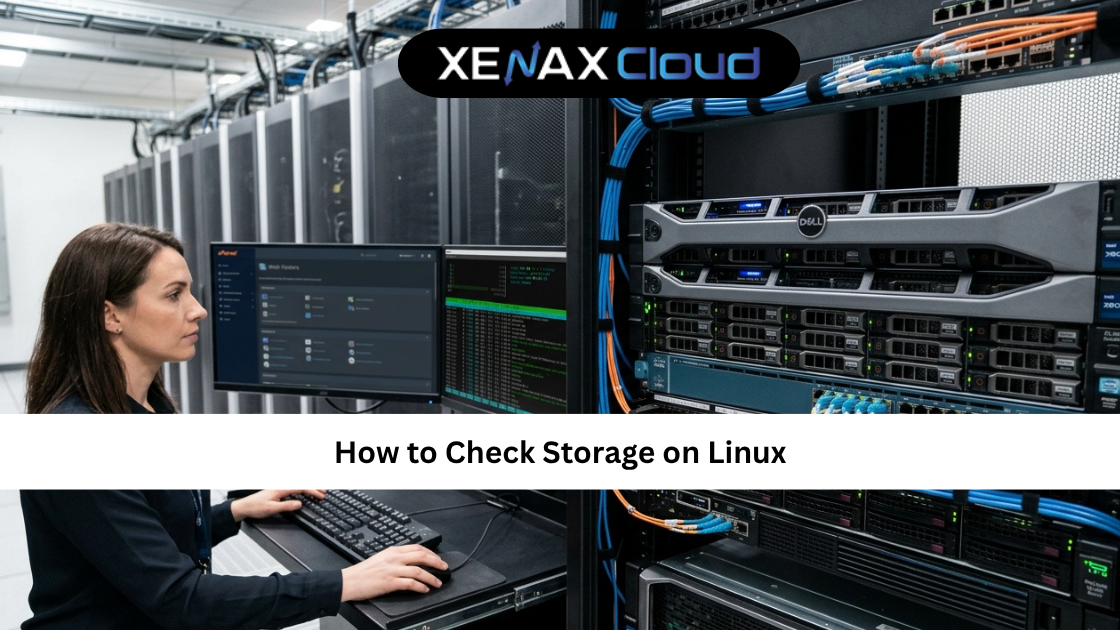
Knowing how to check for disk space is an essential skill for anyone managing a computer, website, VPS, or dedicated server. Running out of storage can slow down applications, prevent software updates, interrupt backups, and even cause websites to stop working. Whether you’re a beginner using Windows or an administrator managing a Linux server, regularly checking available disk space helps keep your system healthy and performing at its best.
Modern Indian hosting infrastructure has become a preferred choice for businesses and developers worldwide because it offers cost-effective solutions, low latency across Asia, enterprise-grade security, reliable uptime, and scalable server resources. These advantages make Indian VPS hosting ideal for monitoring storage, managing applications, and hosting websites for global audiences.
In this how to check for disk space guide, you’ll learn the most common methods to check available storage in Linux and Windows, understand disk usage reports, and discover practical how to check for disk space tips for keeping your server running smoothly.

How to Check for Disk Space in Linux
Learning how to check for disk space on Linux is straightforward because several built-in commands provide detailed storage information.
Using the df Command
The most common command is:
df -hThe -h option displays storage values in a human-readable format such as MB, GB, and TB.
The output includes:
- Total disk size
- Used storage
- Available storage
- Percentage used
- Mounted file systems
This is the quickest way to check for disk space on Linux servers.
Using the du Command
To find which folders consume the most storage:
du -sh /home/*This command summarizes disk usage for each directory, making it easier to locate large files and folders.
Check Individual Directory Size
du -sh /var/wwwThis displays the total storage used by a specific directory.
How to Check for Disk Space in Windows
Windows users can also easily learn how to check for disk space without using command-line tools.
Using File Explorer
- Open File Explorer.
- Click This PC.
- View each drive’s available and used storage.
This method is ideal for beginners who want a quick overview of available disk space.
Using Disk Management
Windows Disk Management provides additional information, including partitions, volumes, and storage allocation.
Using Command Prompt
You can also check storage information using:
wmic logicaldisk get size,freespace,captionThis displays the total and available storage for each drive.
Why Monitoring Disk Space Is Important
Understanding how to check for disk space helps prevent common system problems before they affect your website or applications.
Prevent Server Downtime
When storage reaches capacity, applications may stop functioning correctly, databases may fail to write new data, and websites can become unavailable.
Improve Performance
Keeping sufficient free space allows operating systems to perform updates, create temporary files, and manage caches efficiently.
Simplify Backup Management
Monitoring storage ensures enough capacity is available for scheduled backups and recovery points.
Detect Large Files Early
Regular storage checks help identify log files, temporary files, or unused backups that consume unnecessary space.
Support Business Growth
Businesses with growing websites or applications should regularly monitor storage to plan upgrades before performance is affected.
How to Choose the Right VPS for Storage Monitoring
If you’re frequently checking storage usage, choosing the right VPS is just as important as knowing how to check for disk space.
Consider these factors:
SSD Storage
SSD-powered VPS servers deliver significantly faster read and write speeds than traditional HDD storage, improving application performance.
Dedicated Resources
Dedicated CPU and RAM ensure stable server performance during backups, updates, and high workloads.
Scalability
Choose a VPS that allows storage upgrades without requiring complex migrations.
Reliable Monitoring
A good hosting provider offers monitoring tools that help track disk usage, server health, and resource utilization.
Enterprise Security
Look for firewall protection, automatic backups, DDoS protection, and secure remote access.
For developers, businesses, and system administrators, XenaxCloud VPS Hosting provides enterprise-grade SSD infrastructure, scalable storage, reliable uptime, and excellent server performance for Linux and Windows environments.
Internal Link: https://xenaxcloud.com/vps-server/
(Part 2 will include: Speed, uptime and security advantages, real-world use cases, why Indian servers efficiently handle global traffic, scalability options, HTML comparison table, recommended VPS plans, suggested image placement, ALT text, outbound link suggestion, SEO FAQs, and conclusion with CTA.)
Speed, Uptime, and Security Advantages
Learning how to check for disk space is only part of effective server management. The overall health of your server also depends on storage performance, uptime, and security. Regularly monitoring available disk space helps prevent downtime, improves application performance, and ensures there is enough capacity for updates, backups, and business growth.
High-Speed Storage Performance
Checking disk space regularly helps you identify storage shortages before they impact performance. Modern VPS hosting uses SSD storage, which provides much faster read and write speeds than traditional HDDs. Faster storage improves website loading times, database performance, and application responsiveness while reducing latency for users.
Reliable Uptime
A professional hosting provider maintains high availability through enterprise hardware, redundant networking, backup power systems, and continuous infrastructure monitoring. Adequate free disk space also contributes to stable server performance by allowing the operating system to create temporary files and logs without interruption.
Strong Security
Storage monitoring works alongside security best practices. A reliable hosting platform should include:
- Enterprise firewall protection
- DDoS mitigation
- Secure SSH access
- Automatic backups
- Malware scanning
- 24/7 infrastructure monitoring
- Secure data center facilities
These features help protect business data while ensuring the server continues operating efficiently.
Real-World Use Cases for Businesses and Developers
Understanding how to check for disk space benefits users across many industries.
Website Hosting
Website owners regularly monitor storage to ensure sufficient space for website files, images, plugins, logs, and backups.
Application Servers
Developers check available storage before deploying updates, installing packages, or creating development environments.
Database Management
Large databases grow over time. Monitoring disk usage helps avoid unexpected database failures caused by insufficient storage.
Backup Servers
Organizations verify available disk space before scheduled backups to ensure backup jobs complete successfully.
Media Storage
Businesses managing photos, videos, or digital assets use storage monitoring to plan upgrades before capacity becomes an issue.
Log File Management
Linux and Windows servers generate system logs continuously. Regular disk checks help identify oversized log files before they consume all available storage.
Why Indian Servers Can Handle Global Traffic Efficiently
Indian data centers have become an excellent hosting choice for businesses serving customers around the world.
Their advantages include:
- Cost-effective hosting infrastructure
- Low latency across India and Asia
- Excellent international network connectivity
- Enterprise-grade security
- Reliable uptime
- Fast server provisioning
- Professional 24/7 technical support
These capabilities allow Indian servers to deliver consistent performance for websites, SaaS platforms, business applications, and development environments accessed by users globally.
Scalability Options for Startups and Agencies
Growing businesses require hosting that scales with increasing storage and performance demands.
A startup may begin with a smaller VPS, but as websites, customer data, applications, and databases expand, additional CPU, RAM, storage, and bandwidth become necessary. Scalable VPS hosting allows upgrades without lengthy migrations or significant downtime.
This flexibility enables agencies, developers, and businesses to grow confidently while maintaining excellent performance and reliable availability.
Indian Hosting vs Foreign Hosting
| Feature | India | US | Canada | Germany | UAE |
|---|---|---|---|---|---|
| Latency Across Asia | Excellent | Moderate | Moderate | Moderate | Good |
| Global Connectivity | Very Good | Excellent | Excellent | Excellent | Good |
| 24/7 Technical Support | Available | Available | Available | Available | Available |
| Fast Provisioning | Yes | Yes | Yes | Yes | Yes |
| Enterprise Security | Excellent | Excellent | Excellent | Excellent | Excellent |
| Scalability | Excellent | Excellent | Excellent | Excellent | Good |
| Reliable Uptime | Excellent | Excellent | Excellent | Excellent | Excellent |
Recommended VPS Plans
For users who regularly monitor storage usage and need reliable server performance, these VPS plans are recommended.
For Personal Projects and Development
NORMAL KVM VPS 1 — 2 Vcore CPU, 8GB RAM, 40GB Storage, 2TB Bandwidth, $5.99
For Business Websites and Applications
NORMAL KVM VPS 2 — 4 Vcore CPU, 16GB RAM, 50GB Storage, 4TB Bandwidth, $10.79
For Enterprise Applications and High-Traffic Websites
NORMAL KVM VPS 3 — 8 Vcore CPU, 32GB RAM, 80GB Storage, 5TB Bandwidth, $17.99
The latest promotions and discounts are available on the XenaxCloud Offers page.
Frequently Asked Questions
What is the difference between Indian VPS and foreign VPS?
Indian VPS offers enterprise-grade infrastructure, competitive pricing, reliable uptime, and excellent connectivity across Asia while serving global users efficiently.
Can Indian servers handle global website traffic?
Yes. Modern Indian data centers provide scalable infrastructure, premium networking, and reliable performance capable of handling international traffic.
Is Indian hosting cost-effective for international users?
Yes. Indian hosting combines affordable pricing with enterprise hardware, strong security, and dependable performance, making it an excellent choice for businesses worldwide.
How reliable is XenaxCloud hosting?
XenaxCloud delivers enterprise-grade VPS hosting with SSD-powered performance, high uptime, scalable resources, and responsive technical support.
How do I choose the right server for my business?
Select a server based on CPU, RAM, SSD storage, expected workload, scalability, security, and future growth rather than focusing only on storage capacity.
Conclusion
Knowing how to check for disk space is an essential skill for maintaining healthy Linux and Windows systems. This how to check for disk space guide explained the most effective commands and tools for monitoring storage, understanding disk usage, and preventing storage-related issues. By following these how to check for disk space tips, you can improve server reliability, avoid downtime, and keep your systems performing efficiently.
For businesses, developers, and growing organizations, XenaxCloud provides enterprise-grade VPS hosting with high-performance SSD storage, reliable uptime, advanced security, and scalable infrastructure. Every VPS plan includes a 15-day money-back guarantee, giving you confidence in your hosting investment. The latest discounts and special offers are always available on the XenaxCloud Offers page. Choose XenaxCloud today for fast, secure, and dependable hosting built to support your growth.