Understanding the tld meaning is one of the first steps in building a successful online presence. Every website address ends with a Top-Level Domain (TLD), such as .com, .org, .net, or country-specific extensions like .in. While these extensions may seem simple, they influence branding, trust, search visibility, and even user perception.

TLD Meaning Explained
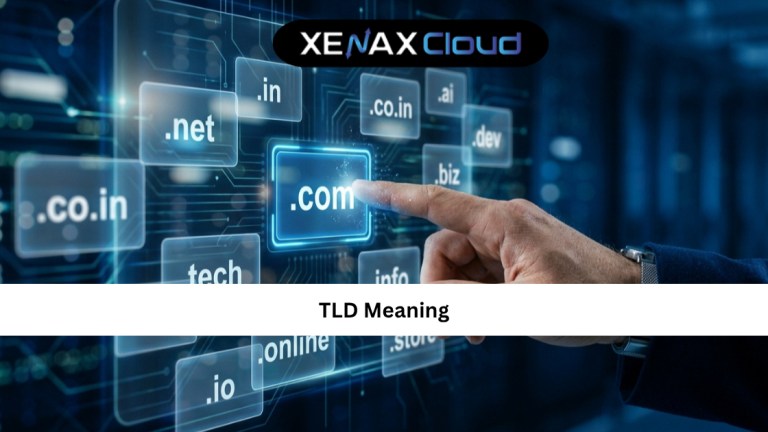
The tld meaning refers to the last section of a domain name that appears after the final dot. For example:
- .com
- .org
- .net
- .edu
- .gov
- .in
- .uk
- .io
Top-Level Domains help identify the purpose, organization type, or geographic location of a website. Some are generic (gTLDs), while others are country-code TLDs (ccTLDs). Understanding this tld meaning guide makes it easier to select a domain extension that matches your website’s goals.
If you’re planning to register a new domain, XenaxCloud Domains offers a wide selection of domain extensions with easy management and reliable support.
How to Choose the Right Domain and Hosting
Choosing the right TLD is only part of building a successful website. You also need reliable hosting to ensure fast loading speeds, strong security, and consistent uptime.
Before selecting your hosting solution, consider:
- Domain availability
- Trusted TLD extension
- SSD-powered hosting
- Free SSL certificate
- Website security
- Reliable uptime
- Fast DNS resolution
- Easy domain management
- Responsive support
- Scalability for future growth
Following this tld meaning tutorial helps website owners build a professional online presence while ensuring their domain performs reliably over time.
Recommended Hosting Plan
For personal websites, business websites, blogs, and startups, XenaxCloud recommends:
Gold Shared Hosting
- 3 Websites
- 25GB Storage
- 500GB Bandwidth
- $2.39/month
Ideal for:
- Business websites
- Company portfolios
- Blogs
- Startup websites
- Landing pages
- Educational websites
- Small online stores
Speed, Uptime, and Security Advantages
Understanding the tld meaning is important because your domain name is the first point of contact between visitors and your website. However, a great domain alone is not enough. Fast hosting, reliable uptime, and strong security are equally essential for delivering a positive user experience.
A quality hosting provider uses SSD storage, optimized DNS, enterprise-grade networking, and high-performance web servers to ensure quick page loading and minimal downtime. Security features such as free SSL certificates, firewalls, malware protection, DDoS mitigation, and automatic backups protect your website and build visitor trust. Following this tld meaning guide helps website owners combine the right domain extension with dependable hosting for long-term success.
Real-World Use Cases for Businesses and Developers
Knowing the tld meaning helps businesses choose domain extensions that reflect their goals and audience. Different industries often prefer different TLDs based on branding, credibility, and geographic targeting.
Common examples include:
- Business websites using .com
- Nonprofit organizations using .org
- Educational institutions using .edu
- Government websites using .gov
- Technology startups using .io
- Indian businesses using .in
- Online stores
- Company portfolios
- SaaS platforms
- Personal blogs
This tld meaning tutorial enables businesses and developers to make informed decisions when registering domains and building professional websites.
Scalability for Startups and Agencies
As businesses grow, they often launch additional websites, regional domains, or client projects. Choosing the right hosting provider ensures these websites can scale without unnecessary complexity.
Startups may begin with a single domain and later expand to multiple TLDs for different markets. Agencies frequently manage several client domains and benefit from centralized hosting, easy domain management, and scalable resources. Understanding the tld meaning guide allows businesses to build a flexible domain strategy while preparing for future growth.
Frequently Asked Questions
What is the difference between Indian VPS and foreign VPS?
Can Indian servers handle global website traffic?
Is Indian hosting cost-effective for international users?
How reliable is XenaxCloud hosting?
How do I choose the right server for my business?
Which TLD is best for a business website?
Conclusion
Understanding the tld meaning helps you choose the right domain extension for your brand, audience, and long-term business goals. Combined with reliable hosting, the right TLD improves trust, strengthens your online identity, and creates a better experience for visitors. This tld meaning tutorial and tld meaning guide provide the foundation for making informed decisions when launching or expanding your website.
Choose XenaxCloud for fast, secure, and scalable hosting backed by SSD storage, enterprise-grade security, reliable uptime, and expert technical support. Every hosting plan includes a 15-day money-back guarantee, giving you complete confidence in your purchase. Be sure to visit the XenaxCloud Offers page to explore the latest hosting deals and exclusive discounts before getting started.