If you’ve ever purchased a server or explored hosting plans, you’ve probably come across the term RAID. Many people know it improves storage reliability, but few understand exactly what are RAID systems and why they matter. Whether you’re running a business website, an eCommerce store, databases, or enterprise applications, RAID technology helps improve data protection, performance, and server availability.
Modern Indian hosting infrastructure has become a preferred choice for businesses worldwide because it combines cost-effective hosting, enterprise-grade security, low latency across Asia, reliable uptime, and scalable infrastructure. These advantages make Indian servers an excellent option for organizations that require dependable storage and consistent performance.
In this what are RAID systems guide, you’ll learn how RAID works, why it is used in modern servers, the most common RAID levels, and practical what are RAID systems tips for selecting the right storage configuration.
What Are RAID Systems?
The first step in understanding what are RAID systems is learning what RAID actually means.
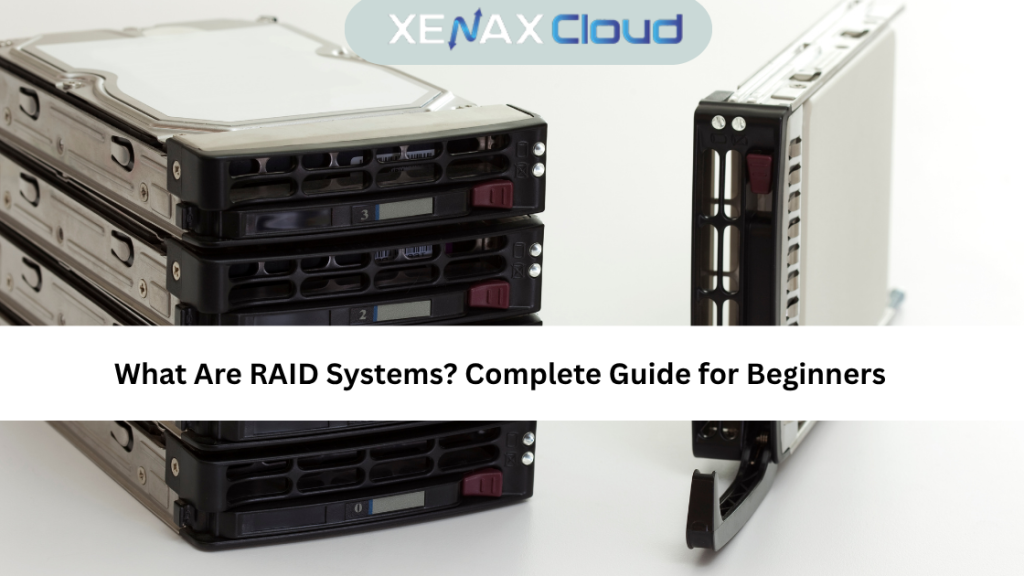
RAID stands for Redundant Array of Independent Disks. It is a storage technology that combines multiple physical hard drives or SSDs into a single logical storage system. Depending on the RAID level used, the system can improve performance, provide redundancy, or achieve a balance of both.
Instead of relying on a single storage drive, RAID distributes or duplicates data across several disks. If one drive fails, certain RAID configurations allow the system to continue operating without losing important information.
Because of these advantages, RAID systems are widely used in:
- Dedicated servers
- VPS infrastructure
- Enterprise storage
- Database servers
- Cloud platforms
- Backup systems
- Business file servers
Understanding what are RAID systems helps businesses choose more reliable hosting solutions and reduce the risk of unexpected downtime.
Why Are RAID Systems Important?
Learning what are RAID systems is important because storage reliability directly affects business continuity.
Better Data Protection
Many RAID configurations create duplicate copies of your data. If one disk fails, the server can continue running while protecting your files.
Improved Performance
Certain RAID levels distribute data across multiple drives, allowing read and write operations to happen simultaneously. This improves application speed and database performance.
Reduced Downtime
Replacing a failed drive is much easier when RAID redundancy is available. Many businesses continue operating while the failed disk is replaced and rebuilt.
Increased Storage Reliability
Using multiple drives together reduces the risk of complete data loss compared to relying on a single disk.
Better Business Continuity
Organizations hosting customer websites, applications, and databases benefit from RAID because it minimizes interruptions caused by hardware failures.
Common RAID Levels Explained
Understanding the most popular RAID levels is an essential part of learning what are RAID systems.
RAID 0
RAID 0 focuses on performance by spreading data across multiple drives. It offers faster read and write speeds but does not provide redundancy. If one drive fails, all data is lost.
RAID 1
RAID 1 mirrors data between two drives. Every file is written to both disks, providing excellent data protection if one drive fails.
RAID 5
RAID 5 combines performance, storage efficiency, and redundancy. Data and parity information are distributed across multiple drives, allowing one disk to fail without losing data.
RAID 6
RAID 6 works similarly to RAID 5 but can tolerate the failure of two drives simultaneously, making it ideal for enterprise environments requiring additional protection.
RAID 10
RAID 10 combines the speed of RAID 0 with the redundancy of RAID 1. It delivers excellent performance and high fault tolerance, making it one of the most popular choices for business-critical applications.
How to Choose the Right RAID Configuration
Choosing the right RAID setup depends on your workload rather than simply selecting the highest RAID level.
Consider these factors:
Performance Requirements
High-traffic websites, virtualization platforms, and databases often benefit from RAID 10 because it provides both speed and redundancy.
Data Protection
Businesses storing financial records, customer information, or sensitive data should prioritize RAID levels that offer fault tolerance.
Storage Capacity
Some RAID configurations reserve storage space for redundancy. Understanding usable storage capacity helps avoid future limitations.
Budget
Higher RAID levels generally require additional storage drives, so balancing performance, protection, and cost is important.
Future Growth
Choose a storage solution that allows additional capacity as your business expands.
For businesses, developers, and organizations that need reliable storage performance, XenaxCloud VPS Hosting provides enterprise-grade SSD infrastructure, scalable resources, dependable uptime, and powerful hosting solutions designed for modern workloads.
Internal Link: https://xenaxcloud.com/vps-server/
Speed, Uptime, and Security Advantages
Understanding what are RAID systems is only the beginning. The real value of RAID becomes clear when you see how it improves server performance, uptime, and data protection. Modern hosting providers use RAID technology to deliver stable, reliable, and high-performing infrastructure for websites, databases, and business applications.
Improved Storage Performance
Many RAID configurations distribute data across multiple drives, allowing simultaneous read and write operations. This reduces storage bottlenecks and improves application responsiveness. Combined with enterprise SSDs, RAID helps websites load faster, databases process requests more efficiently, and business applications perform consistently under heavy workloads.
Maximum Uptime
Hardware failures can happen without warning. RAID minimizes downtime by allowing servers to continue operating even if a storage drive fails, depending on the RAID level being used. This gives administrators time to replace the faulty drive without interrupting business operations.
Enhanced Data Protection
A properly configured RAID system protects valuable information by storing duplicate or parity data across multiple drives. Enterprise hosting platforms also strengthen RAID with:
- Advanced firewall protection
- DDoS mitigation
- Secure SSH access
- Automated backups
- Continuous server monitoring
- Malware protection
- Enterprise-grade data center security
These features work together to provide dependable infrastructure for mission-critical workloads.
Real-World Use Cases for RAID Systems
Understanding what are RAID systems helps explain why they are widely used across modern IT environments.
Business Websites
Organizations hosting business websites use RAID to reduce downtime and maintain consistent website availability.
Database Servers
Databases perform frequent read and write operations. RAID improves storage performance while protecting valuable business information.
Virtualization Platforms
Virtual machines rely heavily on disk performance. RAID enables multiple virtual environments to operate efficiently while maintaining storage redundancy.
File Servers
Businesses storing documents, media files, and project data use RAID to improve storage reliability and simplify recovery after hardware failures.
Backup Storage
RAID provides an additional layer of protection for backup repositories by reducing the risk of losing backup files due to a single disk failure.
Enterprise Applications
Large ERP systems, CRM platforms, accounting software, and internal business applications benefit from RAID’s combination of speed and fault tolerance.
Why Indian Servers Can Handle Global Traffic Efficiently
Indian data centers have become a trusted hosting destination for businesses serving customers worldwide.
Key advantages include:
- Cost-effective hosting infrastructure
- Low latency across India and Asia
- Excellent global network connectivity
- Enterprise-grade security and compliance
- Reliable uptime
- Fast server provisioning
- Professional 24/7 technical support
These strengths allow Indian hosting providers to deliver reliable performance for websites, cloud applications, databases, and enterprise workloads across international markets.
Scalability Options for Startups and Agencies
As businesses grow, storage requirements increase rapidly. Websites receive more visitors, databases become larger, and applications require additional computing resources.
A scalable VPS platform makes it easy to increase CPU, RAM, storage, and bandwidth without rebuilding the hosting environment. RAID storage can also be expanded depending on the infrastructure, allowing businesses to continue growing while maintaining reliability and performance.
For startups, agencies, developers, and enterprise organizations, scalable hosting helps reduce long-term infrastructure costs while supporting business expansion.
Indian Hosting vs Foreign Hosting
| Feature | India | US | Canada | Germany | UAE |
|---|---|---|---|---|---|
| Latency Across Asia | Excellent | Moderate | Moderate | Moderate | Good |
| Global Connectivity | Very Good | Excellent | Excellent | Excellent | Good |
| 24/7 Technical Support | Available | Available | Available | Available | Available |
| Fast Provisioning | Yes | Yes | Yes | Yes | Yes |
| Enterprise Security | Excellent | Excellent | Excellent | Excellent | Excellent |
| Scalability | Excellent | Excellent | Excellent | Excellent | Good |
| Reliable Uptime | Excellent | Excellent | Excellent | Excellent | Excellent |
Recommended VPS Plans
If your applications depend on reliable storage performance and RAID-enabled infrastructure, these VPS plans are excellent choices.
Small Business Websites and Development
NORMAL KVM VPS 1 — 2 Vcore CPU, 8GB RAM, 40GB Storage, 2TB Bandwidth, $5.99
Business Applications and Databases
NORMAL KVM VPS 2 — 4 Vcore CPU, 16GB RAM, 50GB Storage, 4TB Bandwidth, $10.79
Enterprise Workloads and High-Traffic Websites
NORMAL KVM VPS 3 — 8 Vcore CPU, 32GB RAM, 80GB Storage, 5TB Bandwidth, $17.99
The latest discounts and promotional offers are always available on the XenaxCloud Offers page.
Frequently Asked Questions
What is the difference between Indian VPS and foreign VPS?
Indian VPS provides enterprise-grade infrastructure, reliable uptime, competitive pricing, and excellent connectivity across Asia while efficiently serving global users.
Can Indian servers handle global website traffic?
Yes. Modern Indian data centers use premium networking, scalable infrastructure, and high-performance hardware to support websites and applications with worldwide audiences.
Is Indian hosting cost-effective for international users?
Yes. Indian hosting combines affordable pricing, enterprise hardware, dependable uptime, and scalable resources, making it an excellent choice for businesses around the world.
How reliable is XenaxCloud hosting?
XenaxCloud delivers enterprise-grade VPS hosting with SSD-powered infrastructure, RAID-backed storage reliability, high uptime, and responsive technical support.
How do I choose the right server for my business?
Choose a server based on your CPU, RAM, storage performance, RAID requirements, expected traffic, scalability, and future business growth rather than focusing only on price.
Conclusion
Understanding what are RAID systems helps businesses make smarter storage decisions for websites, applications, and enterprise workloads. This what are RAID systems guide explained how RAID improves performance, increases reliability, and protects valuable business data. By following these what are RAID systems tips, you can choose the right RAID configuration to balance speed, storage capacity, and fault tolerance according to your organization’s needs.
For businesses looking for dependable hosting, XenaxCloud offers enterprise-grade VPS solutions powered by high-performance SSD infrastructure designed for speed, reliability, and scalability. With robust security, reliable uptime, and infrastructure built for demanding workloads, XenaxCloud is an ideal choice for modern businesses. Every VPS plan includes a 15-day money-back guarantee, and the latest discounts are always available on the XenaxCloud Offers page. Choose XenaxCloud today for secure, high-performance hosting that grows with your business.