Many people searching for networking solutions often ask, what is a peer to peer server and how it differs from traditional client-server architecture. Peer-to-peer (P2P) networking has been used for decades to share files, resources, and computing power between connected devices without relying entirely on a central server. Understanding how it works can help businesses, developers, and individuals choose the right networking model for their needs.
As digital businesses continue expanding worldwide, reliable hosting infrastructure has become increasingly important. India has emerged as a leading hosting destination because of its enterprise-grade data centers, cost-effective infrastructure, excellent connectivity across Asia, strong global network performance, and reliable security standards. These advantages make Indian hosting an excellent choice for businesses that need dependable VPS and cloud infrastructure.
In this what is a peer to peer server guide, you’ll learn how peer-to-peer networking works, its benefits, limitations, common use cases, and practical what is a peer to peer server tips for choosing the right hosting solution.
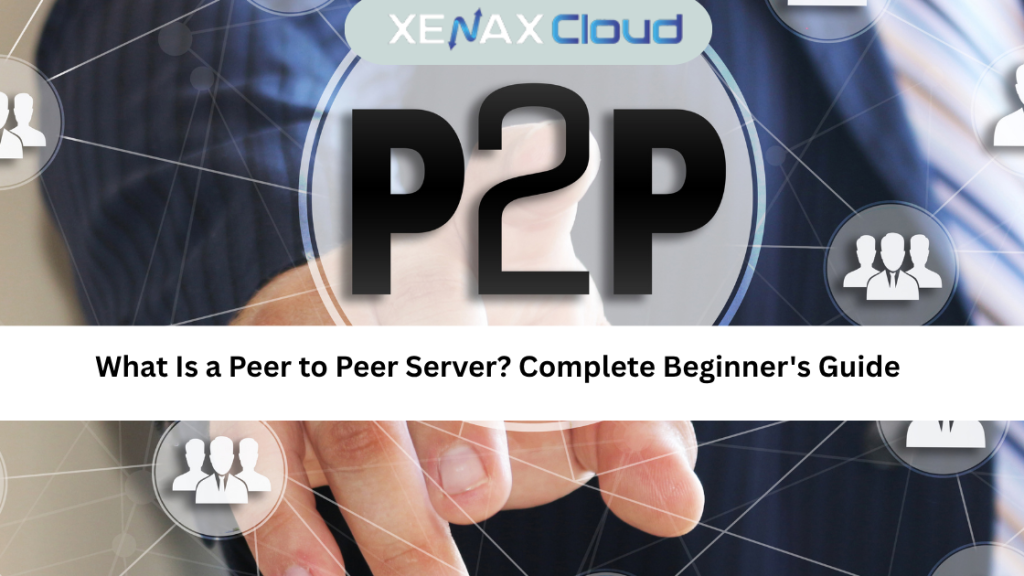
What Is a Peer to Peer Server?
To understand what is a peer to peer server, it’s important to know how peer-to-peer (P2P) networking operates.
In a peer-to-peer network, every connected computer can function as both a client and a server. Instead of relying on one central server to provide files or services, each device can share its own resources directly with other devices on the network.
For example, if several computers need to share documents, media files, or software, each computer contributes resources instead of depending entirely on a dedicated server.
Unlike traditional client-server architecture, peer-to-peer systems distribute workloads across multiple connected devices.
Common peer-to-peer applications include:
- File sharing
- Local office networks
- Blockchain networks
- Distributed computing
- Torrent technology
- Collaboration software
- Media sharing
- Gaming networks
Understanding what is a peer to peer server helps explain why this networking model remains useful for specific applications even today.
How Does a Peer to Peer Server Work?
A peer-to-peer network allows every connected computer to communicate directly with other devices.
Each participant can:
- Share files
- Access shared resources
- Provide computing power
- Receive data
- Store information
There is no single machine responsible for managing every request. Instead, workloads are distributed among connected peers.
This decentralized approach reduces dependency on one central server while improving resource sharing for smaller networks.
Advantages of Peer to Peer Servers
Learning what is a peer to peer server also means understanding its benefits.
Cost Effective
Peer-to-peer networks do not require expensive centralized infrastructure for smaller deployments.
Easy to Set Up
Small businesses and home users can create peer-to-peer networks quickly without advanced server administration.
Resource Sharing
Every connected computer can share files, storage, printers, and other resources with authorized users.
Decentralization
Since there is no single central server handling every request, workloads are distributed across participating devices.
Flexible Collaboration
Small teams can collaborate efficiently by sharing documents and resources directly between computers.
Peer to Peer Server vs Client-Server Network
Although peer-to-peer networking works well for smaller environments, businesses often require more centralized management as they grow.
Client-server architecture offers:
- Better security controls
- Centralized management
- Improved scalability
- Easier backup management
- Enterprise authentication
- Higher reliability
- Better performance under heavy workloads
For growing businesses, cloud applications, databases, and enterprise websites, VPS hosting provides greater control, security, and scalability than a traditional peer-to-peer setup.
For organizations looking for reliable server infrastructure, XenaxCloud VPS Hosting offers scalable virtual private servers with SSD storage, enterprise-grade security, dependable uptime, and complete administrative control.
Internal Link: https://xenaxcloud.com/vps-server/
Speed, Uptime, and Security Advantages
Understanding what is a peer to peer server also means knowing how performance and security compare with modern hosting infrastructure. While peer-to-peer networks work well for smaller environments, professional hosting solutions provide greater reliability for business-critical applications.
Performance
A peer-to-peer network distributes workloads across connected devices. Performance depends on the availability and resources of each participating computer. If one peer becomes unavailable, shared resources from that device may also become inaccessible.
Reliable Uptime
Businesses requiring continuous availability typically prefer centralized VPS infrastructure. Professional VPS hosting includes redundant networking, enterprise hardware, proactive monitoring, and high uptime, making it more dependable than traditional peer-to-peer environments.
Enterprise-Level Security
Professional hosting environments generally include:
- Firewall protection
- DDoS mitigation
- Secure SSH access
- Regular security updates
- Server isolation
- Backup solutions
- 24/7 infrastructure monitoring
While peer-to-peer networks can be secure when properly configured, centralized VPS hosting offers stronger administrative control and security management.
Real-World Use Cases for Businesses and Developers
Learning what is a peer to peer server becomes easier when looking at real-world examples.
File Sharing
One of the most common uses of peer-to-peer networking is sharing files directly between computers without relying on a central server.
Small Office Networks
Small businesses often use peer-to-peer networking to share printers, folders, and internal documents among employees.
Distributed Computing
Large research projects distribute computing workloads across thousands of connected systems using peer-to-peer concepts.
Blockchain Networks
Cryptocurrency and blockchain technologies rely on decentralized peer-to-peer communication between participating nodes.
Multiplayer Gaming
Many multiplayer games use peer-to-peer networking for direct communication between players.
Development Environments
Developers often test distributed applications using peer-to-peer communication before deploying production services on VPS or cloud servers.
Why Indian Servers Can Handle Global Traffic Efficiently
Although peer-to-peer networking serves specific use cases, businesses operating websites and applications require reliable server infrastructure capable of handling global traffic.
Indian hosting provides several advantages:
- Cost-effective infrastructure
- Low latency throughout India and Asia
- Strong international connectivity
- Enterprise-grade security
- Reliable uptime
- Fast VPS deployment
- Professional 24/7 technical support
These advantages make Indian VPS hosting an excellent choice for businesses serving customers worldwide.
Scalability Options for Startups and Agencies
Peer-to-peer networks work well for smaller environments, but scalability becomes more challenging as businesses grow.
Modern VPS infrastructure allows organizations to increase CPU cores, RAM, storage, and bandwidth without rebuilding their applications.
Startups can begin with affordable VPS plans and upgrade resources as traffic increases. Agencies managing multiple projects also benefit from scalable virtual servers that support websites, applications, databases, and development environments.
For growing businesses, VPS hosting provides significantly greater flexibility than traditional peer-to-peer architecture.
Peer-to-Peer vs Client-Server Comparison
| Feature | Peer-to-Peer Network | Client-Server Network |
|---|---|---|
| Central Server | No | Yes |
| Setup Cost | Lower | Higher |
| Scalability | Limited | Excellent |
| Security Management | Distributed | Centralized |
| Performance | Depends on Connected Peers | Consistent |
| Maintenance | Individual Devices | Centralized Administration |
| Best For | Small Networks, File Sharing | Business Websites, Applications, Databases |
Recommended VPS Plans
For businesses moving beyond peer-to-peer networking, these XenaxCloud VPS plans provide excellent performance and scalability:
Small Projects & Development
KVM VPS 1 — 2 Vcore CPU, 8GB RAM, 40GB Storage, 2TB Bandwidth, $5.99
Business Applications
KVM VPS 2 — 4 Vcore CPU, 16GB RAM, 50GB Storage, 4TB Bandwidth, $10.79
Enterprise Workloads
KVM VPS 3 — 8 Vcore CPU, 32GB RAM, 80GB Storage, 5TB Bandwidth, $17.99
Visit the XenaxCloud Offers page for the latest VPS promotions and exclusive discounts.
Frequently Asked Questions
What is the difference between Indian VPS and foreign VPS?
Indian VPS offers low latency across India and Asia while providing enterprise-grade infrastructure, reliable uptime, and excellent global connectivity.
Can Indian servers handle global website traffic?
Yes. Modern Indian data centers are designed to deliver reliable performance for visitors across multiple countries through premium networking infrastructure.
Is Indian hosting cost-effective for international users?
Yes. Indian hosting combines competitive pricing with enterprise-grade performance, strong security, and scalable infrastructure.
How reliable is XenaxCloud hosting?
XenaxCloud provides SSD-powered VPS hosting with dependable uptime, enterprise-grade security, and professional technical support for businesses of every size.
How to choose the right server for my business?
Choose a server based on your workload, expected traffic, scalability requirements, CPU, RAM, storage, and security needs rather than focusing only on initial cost.
Conclusion
Understanding what is a peer to peer server helps businesses choose the right networking model for their requirements. Peer-to-peer architecture is ideal for small networks, file sharing, and collaborative environments, while client-server infrastructure provides the reliability, centralized management, security, and scalability required for modern business applications. This what is a peer to peer server guide has explained how peer-to-peer networking works and when upgrading to VPS hosting becomes the better long-term solution.
Choose XenaxCloud VPS Hosting for enterprise-grade infrastructure, fast SSD storage, reliable uptime, and scalable virtual private servers built for developers, startups, agencies, and growing businesses. Every VPS plan includes a 15-day money-back guarantee, giving you confidence to get started. Be sure to visit the XenaxCloud Offers page to explore the latest deals and exclusive VPS discounts.