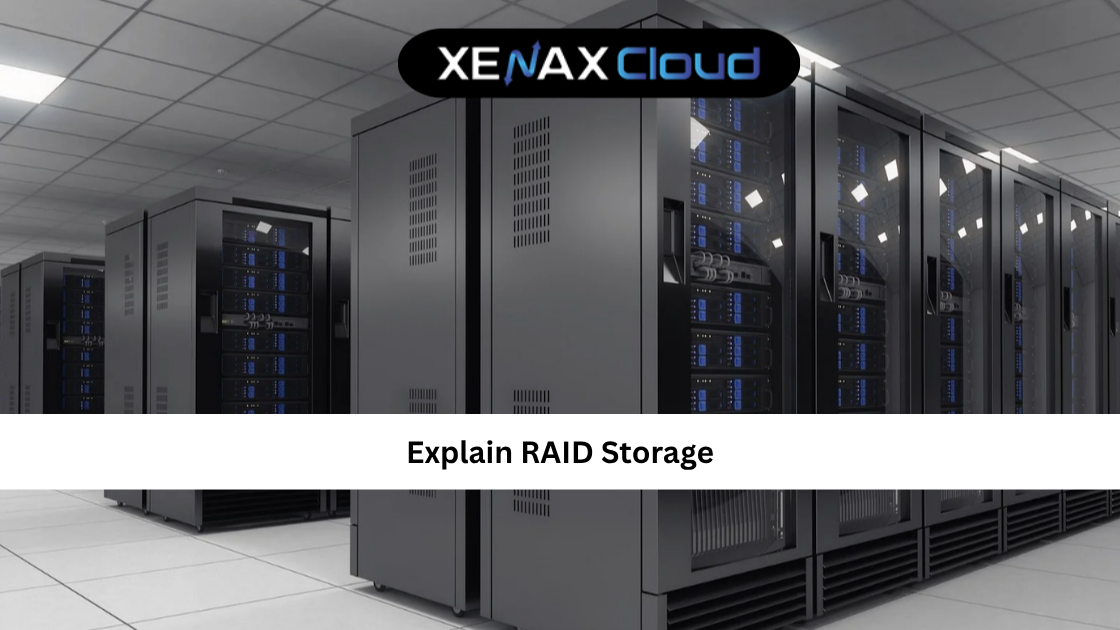
If you’ve ever managed a server or researched enterprise hosting, you’ve probably come across the term RAID storage. Understanding how RAID works is essential because it improves data protection, server performance, and overall system reliability. Whether you’re hosting business websites, databases, or critical applications, RAID can help minimize downtime and protect valuable data from hardware failures.
Modern Indian hosting infrastructure makes RAID-powered servers even more attractive for businesses worldwide. With cost-effective hosting, excellent connectivity across Asia, enterprise-grade security, and scalable infrastructure, Indian data centers deliver reliable performance for organizations serving both regional and global customers.
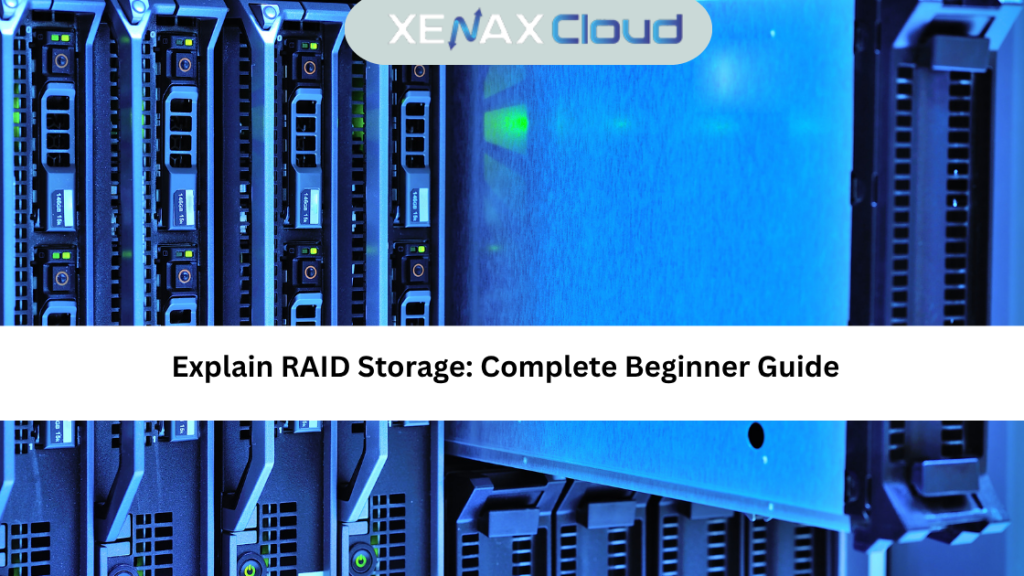
Explain RAID Storage
To explain RAID storage in simple terms, RAID stands for Redundant Array of Independent Disks. It combines multiple physical drives into a single storage system to improve speed, reliability, or both. Instead of relying on a single hard drive, RAID distributes or duplicates data across several drives depending on the RAID level being used.
Common RAID configurations include:
- RAID 0 – Improves speed through data striping but offers no fault tolerance.
- RAID 1 – Mirrors data across two drives, providing excellent redundancy.
- RAID 5 – Uses parity to balance performance, storage efficiency, and fault tolerance.
- RAID 10 – Combines RAID 1 and RAID 0 for outstanding speed and redundancy.
Following this explain RAID storage guide helps beginners understand why RAID is widely used in enterprise servers, hosting environments, and business-critical applications.
How to Choose the Right Hosting Plan
Knowing how to explain RAID storage is only part of selecting reliable hosting. Choosing the right server depends on your workload, storage requirements, traffic volume, and business goals. Applications handling sensitive data or large databases benefit significantly from RAID-enabled storage because it provides better reliability and improved performance.
Before choosing a server, consider:
- RAID level
- CPU performance
- RAM capacity
- SSD or NVMe storage
- Backup options
- Network bandwidth
- Scalability
- 24/7 technical support
Recommended Hosting Solution
For enterprise websites, virtualization, databases, cloud applications, and business workloads, XenaxCloud recommends Dedicated Servers with enterprise hardware, RAID-enabled storage, full root access, and scalable resources. These servers provide excellent performance while reducing the risk of downtime caused by disk failures.
Why Indian Servers Are a Smart Choice
Indian data centers combine affordability, enterprise-grade infrastructure, and excellent connectivity with global networks. Businesses targeting Asia benefit from lower latency, while international organizations enjoy reliable uptime, secure hosting, and scalable infrastructure. When paired with RAID storage, Indian dedicated servers deliver outstanding performance and dependable data protection for growing businesses.
Speed, Uptime, and Security Advantages
Understanding explain RAID storage is important because RAID directly affects server performance, uptime, and data protection. By spreading or mirroring data across multiple drives, RAID minimizes the impact of hardware failures and helps keep business applications online. Even if a drive fails in certain RAID configurations, the server can continue operating while the faulty drive is replaced.
Enterprise servers with SSD or NVMe storage and RAID technology deliver faster read and write speeds, improved reliability, and consistent performance under heavy workloads. Additional security features such as firewalls, DDoS protection, automated backups, and continuous monitoring further strengthen the hosting environment. Following this explain RAID storage guide helps businesses build reliable server infrastructure capable of supporting mission-critical applications.
Real-World Use Cases
RAID storage is widely used wherever data availability and performance are essential. Businesses choose RAID-enabled servers to protect valuable information while maintaining consistent application performance.
Common use cases include:
- Business websites
- eCommerce platforms
- Database servers
- Virtualization environments
- Cloud hosting
- ERP and CRM systems
- Email hosting
- File storage servers
- Backup servers
- Media streaming platforms
Following these explain RAID storage tips helps organizations understand why RAID is considered a standard feature in professional hosting environments.
Scalability for Growing Businesses
As businesses expand, so do their storage and performance requirements. RAID-enabled dedicated servers make it easier to handle increasing workloads without compromising reliability. Organizations can upgrade storage capacity, memory, processors, and networking resources while maintaining consistent performance and data protection.
Startups benefit from reliable storage as they scale their online presence, while agencies and enterprises can support multiple applications, databases, and websites from a single infrastructure. Combining scalable hardware with RAID technology reduces downtime and ensures business continuity as demand grows.
Comparison: Indian Servers vs Foreign Regions
| Feature | India | USA | Canada | Germany | UAE |
|---|---|---|---|---|---|
| Server Performance | Excellent | Excellent | Excellent | Excellent | Very Good |
| Asia Latency | Excellent | Moderate | Moderate | Good | Excellent |
| 24/7 Technical Support | Available | Available | Available | Available | Available |
| Fast Provisioning | Excellent | Excellent | Excellent | Excellent | Very Good |
| Uptime & Reliability | High | High | High | High | High |
Frequently Asked Questions (FAQs)
1. What is the difference between Indian VPS and foreign VPS?
Indian VPS hosting offers lower latency across Asia, competitive global performance, enterprise-grade infrastructure, and cost-effective solutions for businesses serving international customers.
2. Can Indian servers handle global website traffic?
Yes. Modern Indian data centers provide reliable connectivity, high uptime, scalable infrastructure, and optimized routing, making them suitable for serving visitors from around the world.
3. Is Indian hosting cost-effective for international users?
Yes. Indian hosting delivers enterprise-grade performance, strong security, and scalable resources at competitive prices, making it an excellent choice for global businesses.
4. How reliable is XenaxCloud hosting?
XenaxCloud provides reliable Dedicated Servers with SSD storage, RAID-enabled infrastructure, enterprise-grade security, high uptime, and responsive technical support for business-critical workloads.
5. How to choose the right server for my business?
Choose a server based on your workload, CPU, RAM, storage requirements, expected traffic, scalability, and security needs instead of focusing only on price.
6. What is RAID storage used for?
RAID storage is used to improve data protection, storage performance, and server availability by combining multiple drives into a single logical storage system.
7. Which RAID level is best for business servers?
RAID 10 is often preferred for business-critical applications because it combines excellent performance with strong data redundancy, while RAID 5 offers a good balance between storage efficiency and fault tolerance.
Conclusion
Learning to explain RAID storage helps businesses understand one of the most important technologies used in modern servers. RAID improves performance, enhances data protection, and increases system availability by using multiple drives to reduce the impact of hardware failures. Whether you’re hosting websites, databases, or enterprise applications, RAID-enabled servers provide the reliability needed for long-term business success.
XenaxCloud offers enterprise-grade Dedicated Servers with powerful hardware, RAID-enabled storage, scalable resources, and dependable global connectivity. If you’re looking for secure, high-performance hosting for business-critical workloads, explore XenaxCloud’s Dedicated Server solutions and choose an infrastructure built for reliability, speed, and future growth.