Modern applications rely heavily on structured and well-optimized databases. Understanding how a MySQL view works is essential for developers, database administrators, and businesses managing growing datasets. A view simplifies data access without duplicating tables, helping teams work faster and more securely.
When MySQL view logic is combined with reliable hosting, businesses gain better control over MySQL database size and MySQL table size. This guide explains MySQL views in a clear, practical way, while showing why Indian servers are an excellent foundation for scalable database operations.

Understanding What a MySQL View Really Is
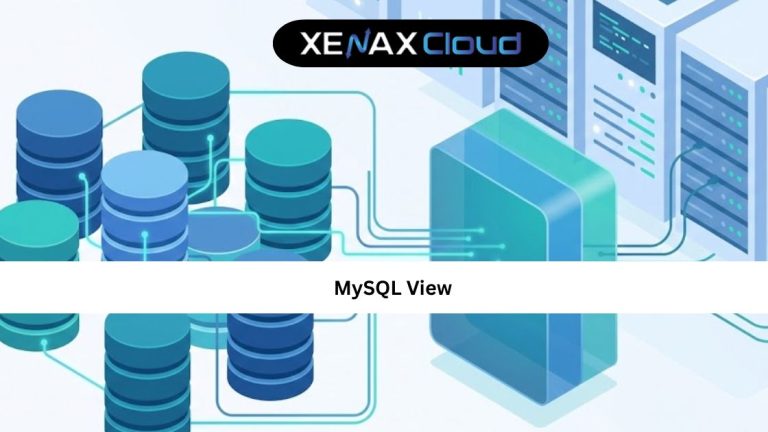
A MySQL view is a virtual table created from a SQL query. It does not store data itself but presents data from one or more tables in a structured format. This makes complex queries easier to manage and reuse without rewriting them every time.
Many teams use MySQL view to simplify reporting, restrict access to sensitive columns, or combine data from multiple tables. Since views do not duplicate data, they help keep MySQL database size under control. This is especially useful when working with large datasets where storage efficiency matters.
Another advantage of using views is consistency. When underlying tables change, the view automatically reflects updated data. This reduces errors and improves maintainability. On stable hosting environments, views perform reliably without adding overhead.
Understanding views is not just about SQL syntax. It is about designing databases that are easier to manage, more secure, and scalable over time.
Real-World Use Cases for MySQL Views
Reporting systems are one of the most common use cases for MySQL view. Instead of running complex queries repeatedly, teams create views that return ready-to-use data. This saves time and reduces errors.
Agencies managing multiple client databases use views to standardize data access. Each client may have different MySQL table size requirements, and views help organize information without modifying base tables.
Ecommerce platforms rely on views for analytics, order summaries, and inventory tracking. Using views allows developers to generate insights without increasing MySQL database size unnecessarily.
Developers also use views in staging environments to test features safely. Since views do not store data, they reduce the risk of accidental changes during development.
Managing MySQL Database Size and Table Size with Views
One major benefit of MySQL view usage is better control over MySQL database size. Since views are virtual, they do not consume additional storage like duplicate tables do. This helps keep databases lean and efficient.
Monitoring MySQL table size remains important. Views rely on underlying tables, so poorly optimized tables can still affect performance. Regular audits help identify unused data and large tables that need optimization.
On VPS or dedicated servers, administrators can tune configurations to ensure views execute efficiently. Indian hosting environments support these optimizations with flexible resources and predictable performance.
When database size and table size are managed correctly, views enhance performance instead of adding complexity.
Scalability Options for Startups and Agencies
Startups often begin with simple databases and a few views. As they grow, database complexity increases. Choosing scalable hosting ensures views continue to perform well.
Agencies benefit from VPS or reseller environments, where each client database remains isolated. This prevents one heavy view query from affecting others.
XenaxCloud provides hosting plans that align with these needs. Shared Hosting works for small projects, while VPS plans support larger databases and advanced view logic. Dedicated Servers are ideal for enterprises with complex reporting systems.
Scalability protects your database strategy as your business evolves.
Best Hosting Plans for MySQL View Usage
For small websites and blogs, Shared Hosting Silver or Gold plans are suitable for basic MySQL view usage.
For growing applications managing larger MySQL database size, KVM VPS 2 or KVM VPS 3 plans offer better performance and control.
For high-traffic or data-intensive platforms, Dedicated Server solutions provide maximum stability and flexibility.
FAQs
What is the difference between Indian VPS and foreign VPS?
Can Indian servers handle global website traffic?
Is Indian hosting cost-effective for international users?
How reliable is XenaxCloud hosting?
How to choose the right server for my business?
Conclusion
Understanding how a MySQL view works helps businesses simplify data access, improve security, and manage MySQL database size more efficiently. When combined with reliable Indian hosting infrastructure, views become a powerful tool for scalable database management.
Indian servers offer cost-effective performance, global reach, and strong uptime, making them ideal for MySQL-driven applications. XenaxCloud supports this with flexible hosting plans and a 15-day money-back guarantee, allowing you to test without risk.
If you are building or optimizing database-driven applications, now is the right time to choose a hosting environment designed for growth.
The latest deals and discounts are always available on the XenaxCloud Offers Page: https://xenaxcloud.com/vps-server/
Build smarter, faster, and more scalable databases with XenaxCloud.