Secure server access is the backbone of modern infrastructure management. For system administrators and developers, SSH remains the most trusted method to manage Linux servers remotely. One common requirement, especially during initial setup or emergency maintenance, is to allow root SSH access. While powerful, this capability must be handled carefully to avoid security risks.
Globally, businesses rely on SSH-enabled servers to deploy applications, manage databases, and maintain uptime. Indian hosting infrastructure has emerged as a smart choice for global users due to its cost-effectiveness, low latency across Asia, competitive global speeds, strong compliance standards, and easy scalability. When configured correctly, Indian servers provide a secure and efficient environment for root-level server administration.
What Does Allow Root SSH Access Mean?
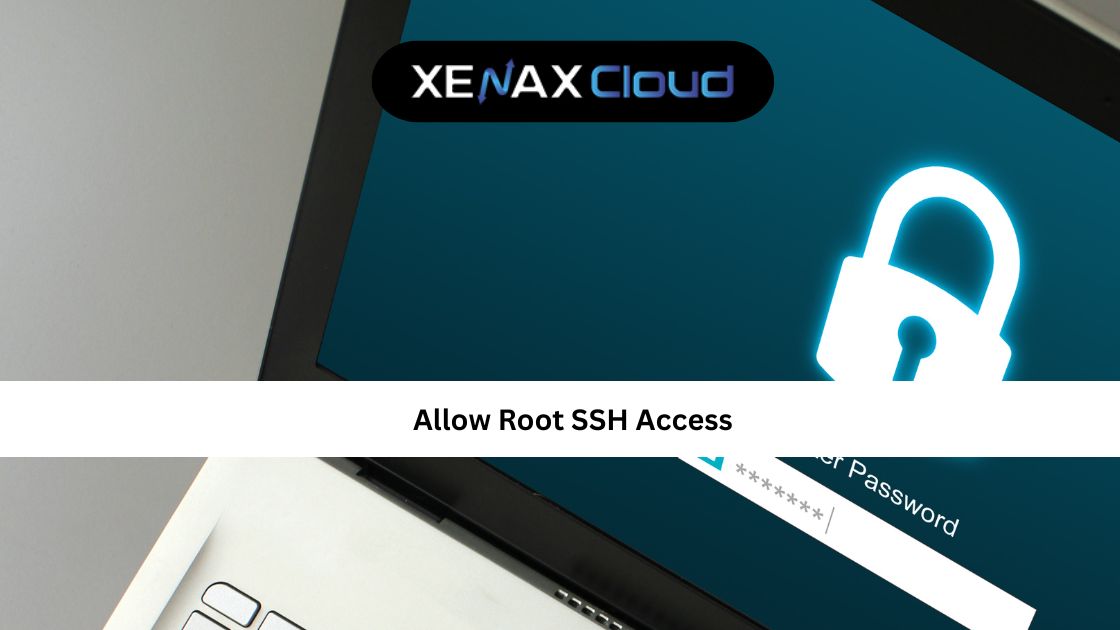
Root SSH access allows administrators to log in directly to a server as the root user using SSH. The root account has unrestricted permissions, enabling full control over system files, users, services, and configurations.
In many Linux distributions, direct root login over SSH is disabled by default. This is done to reduce attack surfaces and prevent unauthorized access. However, there are valid scenarios where enabling it becomes necessary, such as server recovery, automation scripts, or isolated environments.
This allow root ssh access guide focuses on understanding when and why root access is needed, not encouraging unsafe practices.
When Should You Enable Root SSH Access?
Direct root access is useful during initial server setup when configuring packages, firewall rules, or user permissions. It can also be required in emergency troubleshooting scenarios where sudo access is unavailable.
Developers managing test environments often enable root SSH access temporarily for faster deployments. Similarly, system administrators working within private networks may allow it under strict security controls.
That said, enabling root access permanently on public-facing servers is rarely recommended. Understanding context is key, and this allow root ssh access tutorial explains how to balance convenience with security.
How to Choose the Right Hosting Plan for SSH Management
SSH access quality depends heavily on your hosting environment. Shared hosting usually restricts SSH capabilities for security reasons. VPS and dedicated servers provide full SSH control, including root access.
For serious server administration, VPS hosting is the most practical choice. It offers isolated resources, root privileges, and flexibility without the cost of dedicated hardware.
XenaxCloud VPS hosting is designed for developers and administrators who need reliable SSH access, strong uptime, and scalable performance. You can explore VPS options here:
https://xenaxcloud.com/vps-server/
Speed, Uptime, and Security Advantages of SSH-Based Management
SSH provides encrypted communication between your device and the server. This ensures credentials and commands remain protected from interception.
Speed is another advantage. SSH connections are lightweight and responsive, making server management efficient even on low-bandwidth networks. Reliable uptime ensures administrators can access servers whenever needed, especially during critical maintenance windows.
Indian data centers follow modern security and compliance practices, making them suitable for hosting SSH-enabled servers. When combined with key-based authentication and firewalls, allowing root SSH access can still remain secure.
Indian Servers vs Foreign Servers for SSH Administration
Server location affects latency, reliability, and support responsiveness. Indian servers have matured significantly and now rival traditional hosting regions.
| Region | Latency | SSH Performance | Reliability |
|---|---|---|---|
| India | Low in Asia | High | High |
| United States | Low in Americas | High | High |
| Canada | Moderate | High | High |
| Germany | Low in Europe | Excellent | Excellent |
| UAE | Low in Middle East | High | High |
Indian servers deliver fast SSH response times, reliable uptime, and quick provisioning, making them ideal for global server administration.
Security Best Practices When Allowing Root SSH Access
Security should always come first when you allow root SSH access. Password-based login must be avoided. Instead, administrators should use SSH key authentication.
Changing the default SSH port reduces automated attacks. Firewall rules should restrict SSH access to trusted IP addresses only. Logging and monitoring help detect suspicious login attempts early.
Another recommended approach is enabling root access only when needed and disabling it afterward. This minimizes exposure while retaining flexibility for administrators.
Real-World Use Cases for Root SSH Access
System administrators managing cloud infrastructure often require root access during kernel updates or system recovery tasks. Without root privileges, such operations become difficult or impossible.
DevOps teams sometimes enable root SSH access in isolated CI/CD environments to automate builds and deployments. Since these environments are temporary, risks remain controlled.
Hosting providers and managed service teams may also use root access for deep-level troubleshooting, ensuring faster issue resolution for clients.
Why Indian Servers Handle Global SSH Traffic Efficiently
Modern Indian data centers are equipped with high-speed networking and optimized routing. This ensures SSH sessions remain stable even for users connecting from Europe or North America.
Low packet loss and strong backbone connectivity improve command execution speed. This is especially helpful for administrators running scripts or managing multiple servers simultaneously.
Combined with affordable pricing, Indian servers offer an excellent balance for global SSH-based operations.
Scalability Options for Growing Server Environments
As businesses grow, server requirements change. Managing multiple servers manually becomes complex without proper access controls.
VPS hosting allows easy scaling of CPU, RAM, and storage without disrupting SSH configurations. Root access remains intact during upgrades, making growth seamless.
XenaxCloud provides flexible VPS plans that support long-term scalability. Latest discounts and offers are always available at:
https://xenaxcloud.com/offers
Frequently Asked Questions
What is the difference between Indian VPS and foreign VPS?
Indian VPS offers cost-efficient performance with strong regional and global connectivity.
Can Indian servers handle global website traffic?
Yes, they are optimized for international traffic and secure remote access.
Is Indian hosting cost-effective for international users?
Yes, it delivers reliable performance at competitive pricing.
How reliable is XenaxCloud hosting?
XenaxCloud provides stable uptime, fast provisioning, and responsive support.
How to choose the right server for my business?
Consider security needs, traffic scale, and future growth requirements.
Conclusion
Knowing when and how to allow root SSH access is an essential skill for modern server administrators. While root access offers unmatched control, it must always be combined with strong security practices.
With advanced Indian hosting infrastructure and XenaxCloud’s reliable VPS solutions, administrators gain secure, scalable, and efficient server access. Backed by a 15-day money-back guarantee, XenaxCloud is a trusted choice for global businesses.
Explore the latest deals anytime on the XenaxCloud Offers Page:
https://xenaxcloud.com/offers