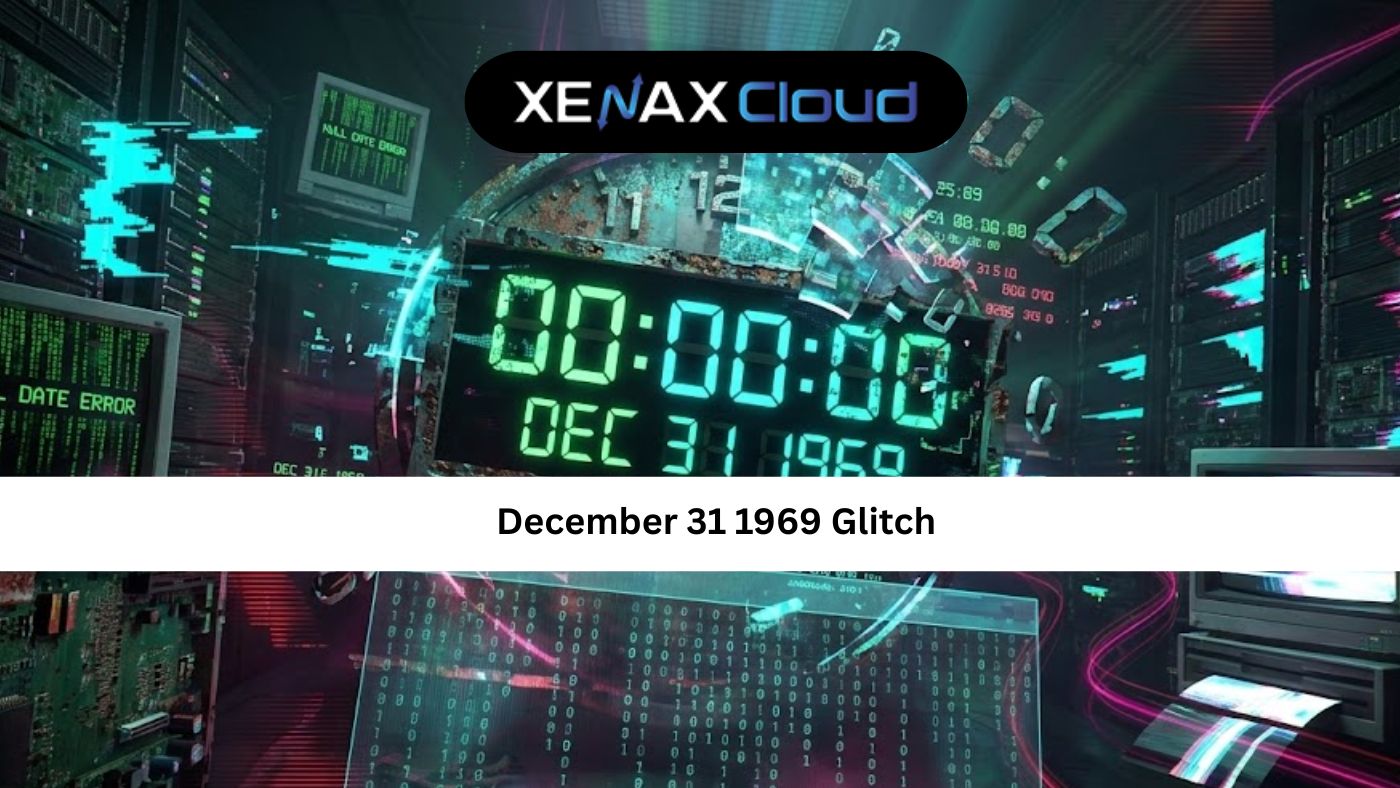
If you have ever opened a server log, website dashboard, or system report and suddenly seen the date December 31 1969, it can feel confusing and alarming. This issue appears across operating systems, databases, and web applications worldwide. The December 31 1969 glitch is not a random error. It is a time-related problem that usually points to deeper configuration or server-level issues.
This topic matters globally because modern applications rely heavily on accurate timestamps. From financial transactions to login records and backups, time accuracy keeps systems reliable. As more businesses move to cloud and VPS hosting, understanding and preventing this glitch becomes essential.
India has emerged as a strong hosting hub for global users. Indian data centers offer cost-effective infrastructure, low latency across Asia, solid global connectivity, and reliable compliance standards. With scalable VPS solutions, businesses can avoid common system errors like incorrect timestamps while maintaining performance and security at scale.
What Is the December 31 1969 Glitch?
The December 31 1969 glitch occurs when a system displays this date instead of the correct current time. Technically, it represents a timestamp value of zero in Unix-based systems. Unix time starts counting seconds from January 1, 1970. When the system cannot calculate or retrieve a valid timestamp, it defaults to one second before that starting point.
This glitch is common in Linux servers, databases, APIs, and content management systems. It often appears in logs, file timestamps, scheduled jobs, or website content dates. While it may look harmless, it can cause serious operational problems if ignored.
In many cases, the issue is triggered by incorrect server time settings, missing time synchronization, faulty scripts, or database errors. Understanding the root cause helps prevent repeated failures and ensures system stability.
Why the December 31 1969 Glitch Happens on Servers
The December 31 1969 glitch usually happens when a server cannot correctly process or retrieve time data. One common reason is a misconfigured system clock. If the server time is not synced with a reliable time source, applications may receive invalid values.
Another frequent cause is missing or broken Network Time Protocol services. NTP keeps servers synchronized with global time servers. When it fails, timestamps can fall back to zero.
This glitch can also occur due to software bugs. Scripts that fail to handle empty or null date values may convert them into zero timestamps. Database migrations, incomplete backups, or corrupted records can trigger the same issue.
Shared hosting environments are more prone to such problems because resources and configurations are shared across multiple users. VPS hosting significantly reduces this risk by giving you dedicated control over system-level settings.
How Hosting Choice Impacts Time-Related Errors
Hosting plays a critical role in preventing the December 31 1969 glitch. Reliable infrastructure ensures consistent system time, stable kernel updates, and proper service monitoring.
Indian VPS environments are increasingly preferred by global users due to their balance of performance and affordability. With dedicated resources, administrators can configure time zones, enable NTP correctly, and manage system updates without interference.
If you manage applications that depend on accurate timestamps, moving to a VPS is a smart decision. XenaxCloud’s VPS solutions provide full root access and stable virtualization, making it easier to prevent date and time errors. You can explore reliable VPS options here:
👉 https://xenaxcloud.com/vps-server/
How to Detect the December 31 1969 Glitch Early
Early detection of the December 31 1969 glitch can prevent data inconsistencies. One of the first signs is incorrect timestamps in logs or application dashboards. You may also notice cron jobs failing or backups running at unexpected times.
Database records showing this date often indicate missing or corrupted time values. Websites may display old publication dates or sorting errors in content lists. APIs might return invalid timestamps, breaking integrations.
Regular monitoring helps catch these issues early. Server administrators should routinely check system time, application logs, and database health. Automated alerts can also flag unusual timestamp behavior before it affects users.
Fixing the December 31 1969 Glitch Step by Step
Fixing the December 31 1969 glitch requires a structured approach. First, verify the system time on your server. Ensure the correct time zone is set and matches your application requirements.
Next, confirm that NTP services are installed and running. Restarting and resynchronizing time services often resolves the issue immediately. For databases, inspect records with null or zero timestamps and update them carefully.
Scripts and applications should be reviewed to handle empty date values properly. Adding validation checks prevents future errors. In many cases, migrating to a VPS with stable configurations eliminates recurring issues.
Why Indian Servers Handle Time-Sensitive Workloads Well
Indian servers are well-suited for time-sensitive applications. They offer strong connectivity across Asia, the Middle East, and Europe, ensuring consistent synchronization with global time sources.
Cost-effectiveness allows businesses to deploy redundant servers and monitoring tools without overspending. Reliable compliance standards and modern data centers reduce infrastructure-related failures.
Scalability is another advantage. As traffic grows, VPS resources can be upgraded easily, maintaining accurate time handling even under heavy load. This makes Indian hosting a practical choice for global operations dealing with timestamps and logs.
Indian Servers vs Other Regions for Stability
Below is a general comparison of server performance across regions for time-sensitive workloads:
| Region | Time Sync Reliability | Global Connectivity | Support Availability |
|---|---|---|---|
| India | High | Strong across Asia & global | 24/7 |
| United States | High | Strong | 24/7 |
| Germany | High | Excellent in Europe | 24/7 |
| UAE | Moderate to High | Regional focus | Limited |
Indian servers deliver a balanced mix of reliability, speed, and operational flexibility without regional limitations.
Real-World Use Cases Affected by the December 31 1969 Glitch
The December 31 1969 glitch affects many real-world systems. E-commerce platforms rely on timestamps for orders, payments, and inventory updates. A wrong date can disrupt reports and customer trust.
Financial systems depend on accurate logs for audits and compliance. Even a single incorrect timestamp can raise red flags. SaaS applications use time-based access, billing cycles, and usage tracking, all of which break when timestamps fail.
Developers running APIs, cron jobs, or microservices also face challenges. VPS hosting gives them the control needed to fix and prevent such issues efficiently.
Choosing the Right Hosting Plan to Avoid System Errors
Choosing the right hosting plan is critical if you want to avoid recurring glitches. Entry-level shared hosting may work for simple websites, but it limits control over system settings.
For applications and databases, VPS hosting is the recommended choice. A plan like KVM VPS 1 – 2 Vcore CPU, 8GB RAM, 40GB Storage, 2TB Bandwidth is ideal for small to medium workloads. Larger applications can scale to higher VPS tiers without downtime.
XenaxCloud’s VPS plans are designed for stability and long-term growth, making them suitable for developers, startups, and agencies.
FAQs
What is the December 31 1969 glitch?
It is a timestamp error where systems default to Unix time zero due to missing or invalid date data.
Does the December 31 1969 glitch harm my server?
The glitch itself does not damage hardware but can cause serious data and application errors if ignored.
Why does this glitch appear on Linux servers?
Linux uses Unix time, so invalid timestamps often revert to December 31 1969.
Can VPS hosting prevent this issue?
Yes, VPS hosting allows full control over time settings and synchronization, reducing such errors.
Is XenaxCloud VPS reliable for time-sensitive apps?
XenaxCloud VPS offers stable infrastructure, proper monitoring, and 24/7 support for reliable operations.
Conclusion
The December 31 1969 glitch is a clear sign that your system is struggling with time management. While it may seem minor, it often indicates deeper configuration or hosting limitations. Addressing it early protects data integrity and system reliability.
Choosing Indian VPS hosting with XenaxCloud gives you control, scalability, and stability needed to prevent such issues. With a 15-day money-back guarantee and flexible plans, you can confidently upgrade your infrastructure today.
Explore the latest deals anytime on the XenaxCloud Offers Page: https://xenaxcloud.com/offers
If accuracy, uptime, and long-term growth matter to your business, now is the right time to move to XenaxCloud.