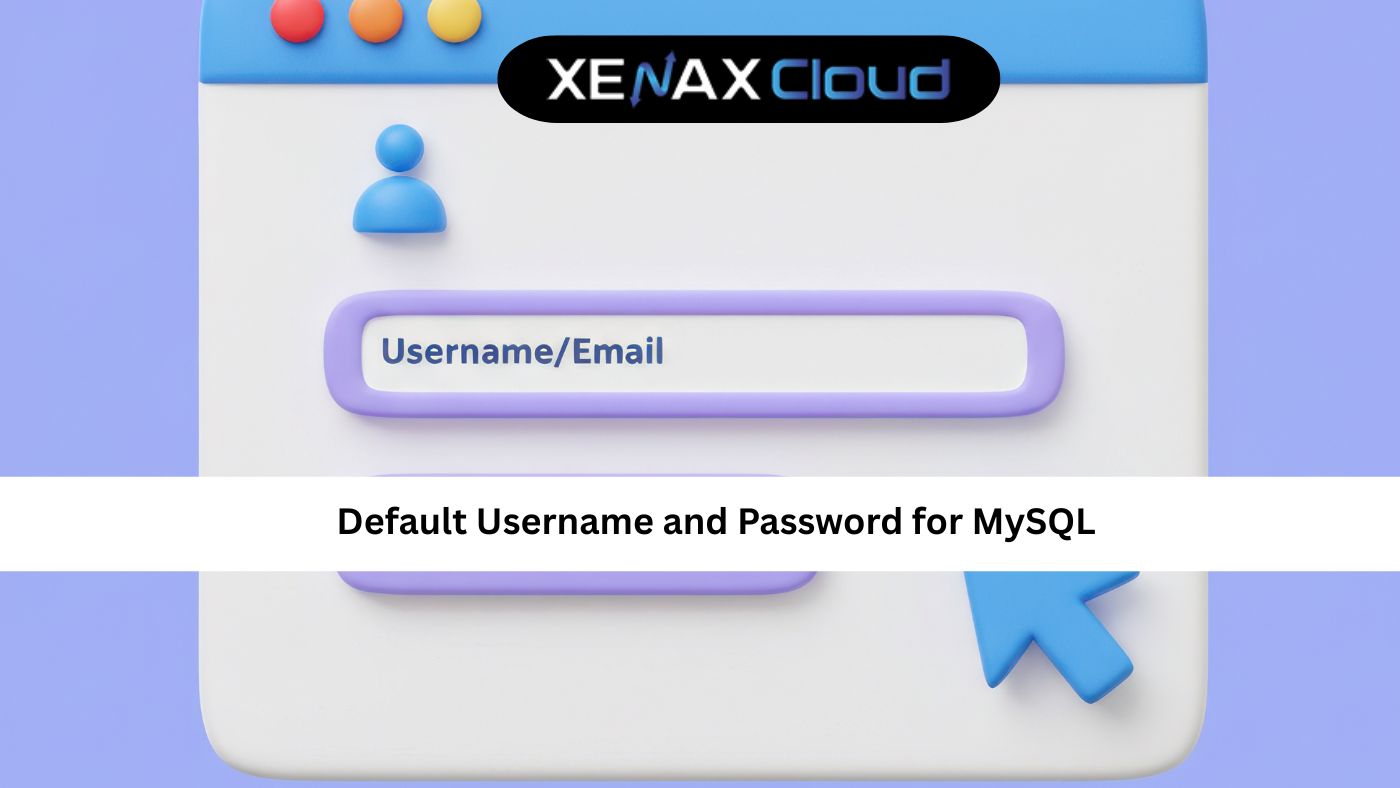
Databases sit at the heart of modern applications, websites, and enterprise systems. One of the most searched questions by beginners and administrators alike is the default username and password for MySQL. Understanding this topic is critical because database security directly affects business continuity, data privacy, and compliance.
Globally, businesses are moving toward secure, performance-driven infrastructure. Indian hosting infrastructure has become a smart choice for global users due to its cost-effectiveness, low latency across Asia, competitive global speeds, strong security standards, and scalability for international workloads. When MySQL is deployed on properly managed Indian servers, it delivers both performance and reliability.
Default Username and Password for MySQL Explained
The default username and password for MySQL depend on how MySQL is installed and configured. In most modern installations, MySQL does not set a default password automatically. The default username is usually root, while the password is either blank or generated during installation.
This approach is intentional. Leaving a default password increases security risks. Administrators are expected to set a strong password immediately after installation.
For shared hosting environments, MySQL credentials are created manually by the hosting provider. On VPS or dedicated servers, administrators have full control over MySQL authentication and permissions.
Why Default MySQL Credentials Are a Security Risk
Using the default username and password for MySQL without proper configuration exposes servers to serious threats. Automated bots actively scan the internet for open MySQL ports and weak credentials.
Once compromised, attackers can access sensitive data, alter databases, or inject malicious code. This is why modern hosting environments restrict remote MySQL access by default and encourage strong authentication practices.
Security is not only about passwords. It also includes user privileges, firewall rules, and database isolation.
How to Choose the Right Hosting Plan for MySQL Security
The hosting environment determines how safely MySQL can be managed. Shared hosting is suitable for small websites with limited database needs. However, access is restricted, and advanced security configurations are not possible.
VPS hosting offers full control over MySQL users, passwords, database size limits, and security policies. This makes it ideal for businesses managing sensitive or high-traffic databases.
For secure database handling, KVM VPS 1 — 2 Vcore CPU, 8GB RAM, 40GB Storage, 2TB Bandwidth provides enough resources for stable MySQL performance and controlled access.
👉 Internal link (used once, contextually relevant):
https://xenaxcloud.com/vps-server/
Managing MySQL Database Size Effectively
Monitoring mysql database size is essential for performance and storage planning. Large databases increase backup time, slow queries, and consume disk space rapidly.
Administrators should regularly analyze database growth and remove unused tables or logs. Index optimization also helps reduce database size while improving query performance.
On scalable infrastructure, database size can grow without service disruption. Indian VPS servers handle expanding databases efficiently due to modern storage and network architecture.
Understanding MySQL Table Size for Performance
Each database contains multiple tables, and managing mysql table size is just as important as managing overall database size. Large tables can slow down queries and impact application response time.
Partitioning tables, archiving old records, and optimizing indexes help maintain table efficiency. These practices reduce server load and improve stability.
When table size is properly managed, MySQL performs consistently even under high traffic.
Speed, Uptime, and Security Advantages of Indian Servers
Indian servers offer strong uptime and network reliability, which directly benefits database-driven applications. Lower latency across Asia ensures faster database queries for regional users.
Security compliance and modern data centers protect MySQL installations against unauthorized access. Combined with proper credential management, this creates a robust database environment.
Cost efficiency allows businesses to invest more in security and backups without increasing infrastructure costs.
Real-World Use Cases for MySQL Credential Management
E-commerce platforms manage customer orders, payments, and inventory using MySQL. Securing the default username and password for MySQL prevents unauthorized data access.
Developers use MySQL in staging and production environments, where proper user roles reduce risk. Agencies managing multiple client databases rely on strict MySQL access control.
These real-world scenarios show why database security is a business necessity, not an option.
Why Indian Servers Handle Global Database Traffic Efficiently
Indian hosting infrastructure is optimized for both regional and international traffic. Efficient routing ensures database queries remain fast even for global users.
Scalable resources allow MySQL databases to grow alongside applications. This makes Indian servers suitable for SaaS platforms, global websites, and enterprise systems.
With proper MySQL configuration, Indian servers deliver consistent performance worldwide.
Indian Servers vs Foreign Regions for MySQL Hosting
| Factor | India | USA | Canada | Germany | UAE |
|---|---|---|---|---|---|
| Asia Latency | Low | High | High | Moderate | Low |
| Security Standards | High | High | High | High | High |
| Scalability | Flexible | Flexible | Moderate | Flexible | Moderate |
| Operational Reliability | High | High | High | High | High |
Scalability Options for Startups and Agencies
Startups often begin with small databases and expand quickly. VPS hosting allows seamless upgrades without changing MySQL configurations.
Agencies managing multiple databases benefit from isolated MySQL users and controlled permissions. This improves security and simplifies management.
Indian hosting infrastructure supports this scalability with minimal complexity.
FAQs
What is the difference between Indian VPS and foreign VPS
Indian VPS offers lower latency in Asia with cost-effective and scalable infrastructure.
Can Indian servers handle global website traffic
Yes, Indian servers efficiently handle global traffic with optimized networking.
Is Indian hosting cost-effective for international users
Indian hosting provides strong performance at lower operational costs.
How reliable is XenaxCloud hosting
XenaxCloud delivers stable uptime, secure infrastructure, and responsive support.
How to choose the right server for my business
Choose VPS hosting for better control, security, and database scalability.
Conclusion
Understanding the default username and password for MySQL is the first step toward building a secure database environment. Proper credential management, combined with monitoring MySQL database size and MySQL table size, ensures long-term performance and safety.
XenaxCloud provides reliable Indian hosting with scalable VPS solutions, strong security, and a 15-day money-back guarantee.
The latest deals and offers are always available on the XenaxCloud Offers Page:
👉 https://xenaxcloud.com/offers