If you have ever tried to open a website or access a dashboard and suddenly saw an error 401, you are not alone. Understanding the error 401 meaning is important for website owners, developers, and businesses operating online. This error directly affects user access, security, and trust.
Globally, HTTP errors impact millions of websites every day. Among them, status code 401 is especially important because it relates to authentication and permissions. When users see this error, they are effectively blocked from accessing content, even if the website itself is working.
Indian hosting infrastructure plays a key role in managing authentication, security layers, and access control. With cost-effective servers, low latency, strong compliance standards, and scalable resources, Indian servers are a smart choice for businesses handling secure user access worldwide.
What Does Error 401 Mean?
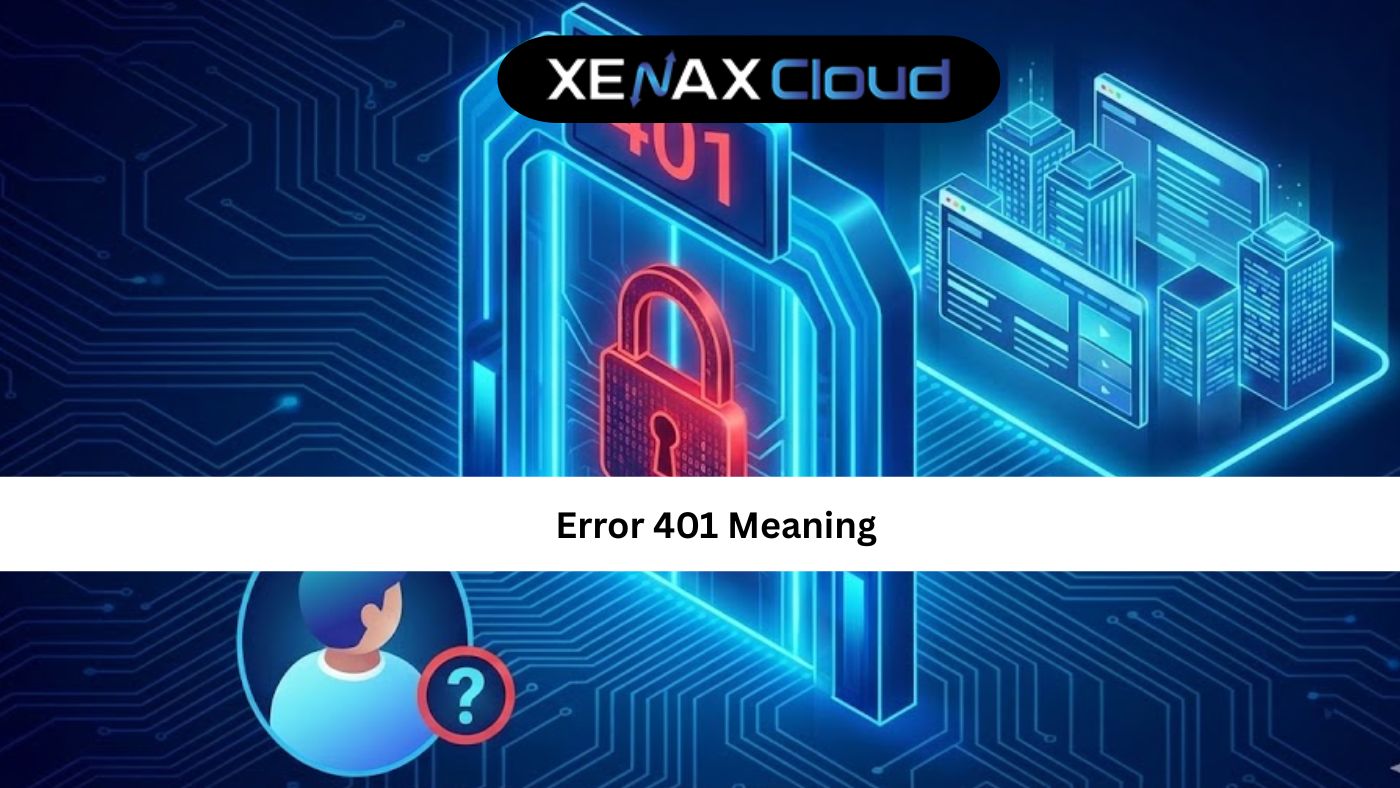
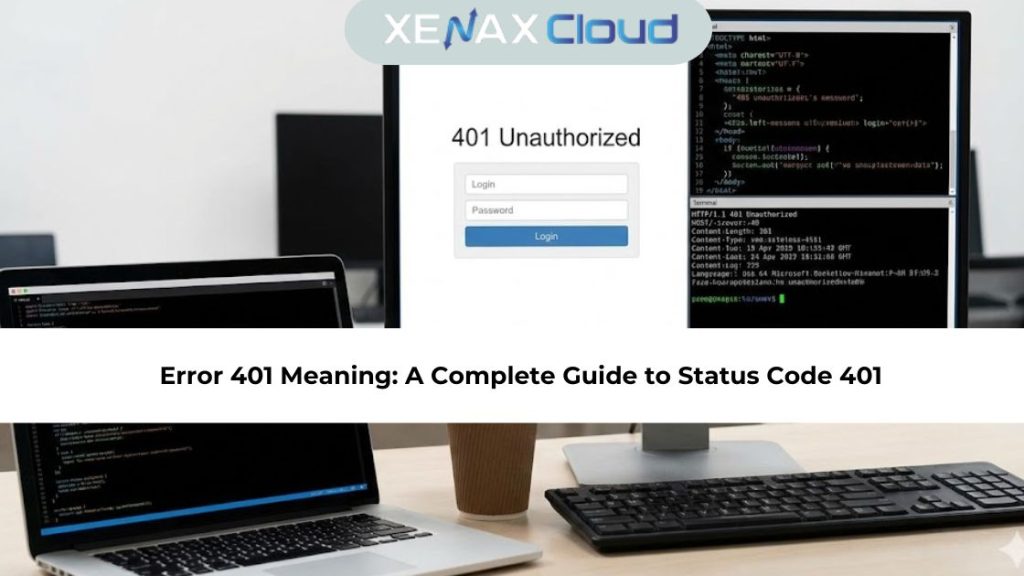
To clearly understand the error 401 meaning, you need to know how web authentication works. A 401 error is an HTTP status code that means the request lacks valid authentication credentials. In simple terms, the server understands the request but refuses access.
Status code 401 appears when login details are missing, incorrect, expired, or restricted. Unlike server crashes or broken pages, this error is intentional and security-driven. It protects private areas of a website from unauthorized users.
For businesses, frequent 401 errors can frustrate users if not handled properly. That is why understanding the cause is essential for smooth website management.
Status Code 401 vs Other HTTP Errors
Many people confuse 401 error meaning with other access-related errors. The key difference lies in authentication.
A 401 error means authentication is required or has failed. A 403 error means access is forbidden even if authentication is correct. A 404 error means the page does not exist at all.
Understanding these differences helps website owners diagnose issues faster and avoid unnecessary downtime or support tickets.
Why Does Error 401 Occur?
The error 401 meaning becomes clearer when you look at its common causes. One frequent reason is incorrect login credentials. If a username or password is wrong, the server denies access.
Another cause is expired authentication tokens. Many modern websites use session tokens that expire after a set time. When these tokens are invalid, the server responds with status code 401.
Misconfigured permissions, security plugins, firewall rules, and server-side authentication settings can also trigger this error. On WordPress and custom applications, plugin conflicts are a common source of repeated 401 issues.
How Authentication Works Behind the Scenes
Authentication is the process of verifying who you are before granting access. When you log in, your browser sends credentials to the server. The server validates them and issues a session or token.
If that token is missing, expired, or invalid, the server returns a 401 response. This mechanism is essential for protecting sensitive data, admin panels, APIs, and user dashboards.
Indian hosting environments support modern authentication systems efficiently, helping global businesses manage secure access without performance loss.
How to Choose the Right Hosting Plan to Avoid 401 Errors
Choosing the right hosting plan plays a major role in preventing access-related issues. Shared hosting is suitable for basic websites but may face limitations with advanced authentication setups.
VPS hosting offers better control over server configuration, making it ideal for applications with login systems and APIs. Dedicated servers provide complete control for enterprise-level security needs.
For sites requiring stable authentication handling, VPS solutions are often the best balance between control and cost.
Most contextually relevant internal link used once:
https://xenaxcloud.com/vps-server/
Speed, Uptime, and Security Advantages
Security and performance go hand in hand when dealing with the error 401 meaning. A secure server ensures authentication requests are processed reliably. Slow or overloaded servers can cause token validation failures, leading to false 401 errors.
High uptime ensures users can authenticate consistently without interruptions. Indian servers offer strong infrastructure reliability, helping global websites maintain stable login systems.
Advanced security layers, firewalls, and monitoring reduce unauthorized access attempts while ensuring legitimate users are not blocked unnecessarily.
Real-World Use Cases of Error 401
E-commerce websites often display a 401 error when users attempt to access order history without logging in. This protects customer data.
APIs return status code 401 when requests are sent without valid API keys or tokens. This is common in mobile apps and SaaS platforms.
Corporate dashboards restrict access based on roles, triggering a 401 error if credentials do not match permissions.
Developers frequently encounter 401 errors during testing when authentication headers are missing or misconfigured.
Why Indian Servers Handle Authentication Efficiently
Indian data centers are built to handle high volumes of secure traffic. Strong connectivity ensures authentication requests are processed quickly.
Low latency across Asia and competitive global routing allow token-based systems to work smoothly for international users.
Scalable infrastructure means businesses can handle growth without reconfiguring authentication layers repeatedly.
Comparison: Indian Servers vs Other Regions
Below is a performance-focused comparison related to authentication handling and reliability.
| Factor | Indian Servers | US | Canada | Germany | UAE |
|---|---|---|---|---|---|
| Authentication Stability | High | High | Moderate | High | Moderate |
| Latency Balance | Strong | Strong | Average | Strong | Average |
| Security Compliance | High | High | Moderate | High | Moderate |
| Scalability | Flexible | Flexible | Limited | Flexible | Limited |
Scalability for Startups and Agencies
As businesses grow, authentication complexity increases. Multiple user roles, APIs, and third-party integrations require reliable server resources.
VPS hosting allows startups and agencies to scale authentication systems without downtime. Dedicated servers support large teams and enterprise platforms securely.
Indian hosting environments support this growth efficiently, making them suitable for long-term projects.
FAQs
What is the difference between Indian VPS and foreign VPS?
Indian VPS offers reliable authentication handling with balanced global performance
Can Indian servers handle global website traffic?
Yes, they efficiently manage secure access for international users.
Is Indian hosting cost-effective for international users?
Indian hosting delivers strong security and performance without excessive costs.
How reliable is XenaxCloud hosting?
XenaxCloud provides stable uptime, secure infrastructure, and responsive support.
How to choose the right server for my business?
Choose based on security needs, traffic scale, and future growth plans.
Conclusion
Understanding the error 401 meaning helps businesses protect their websites while ensuring legitimate users are not blocked unnecessarily. Status code 401 is a security feature, not a failure, and when handled correctly, it strengthens trust and data protection.
Indian hosting infrastructure offers the right balance of security, scalability, and performance. With XenaxCloud, you get reliable servers, expert support, and a 15-day money-back guarantee.
If you want stable authentication handling and secure hosting, now is the right time to choose XenaxCloud.
The latest deals and offers are always available on the XenaxCloud Offers Page:
https://xenaxcloud.com/offers