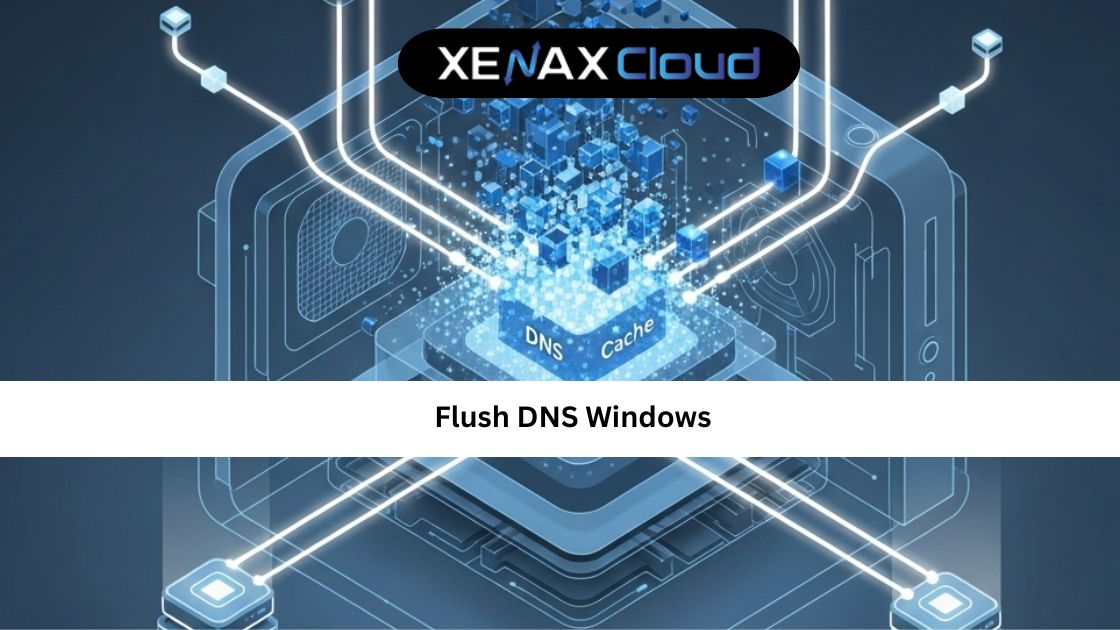
Flush DNS Windows is one of the simplest yet most powerful fixes for common internet and website access problems. If a website is not loading, showing the wrong version, or failing to connect, DNS cache issues are often the hidden reason behind it.
DNS works like the internet’s phonebook. It translates domain names into IP addresses. To speed things up, Windows stores this information locally as a cache. Over time, this cached data can become outdated or corrupted. When that happens, your system may try to reach the wrong server.
This issue affects users globally, from casual browsers to developers managing websites. With businesses relying heavily on online services, even small DNS problems can cause downtime or lost productivity.
Indian hosting infrastructure plays a key role here. Indian servers are cost-effective, offer low latency across Asia, and deliver competitive global speeds. They also follow strong security and compliance standards, making them reliable for international users. Combined with scalable infrastructure, Indian servers ensure smooth connectivity for websites and applications worldwide.
Understanding how to flush DNS Windows helps you troubleshoot faster and maintain a smoother online experience.
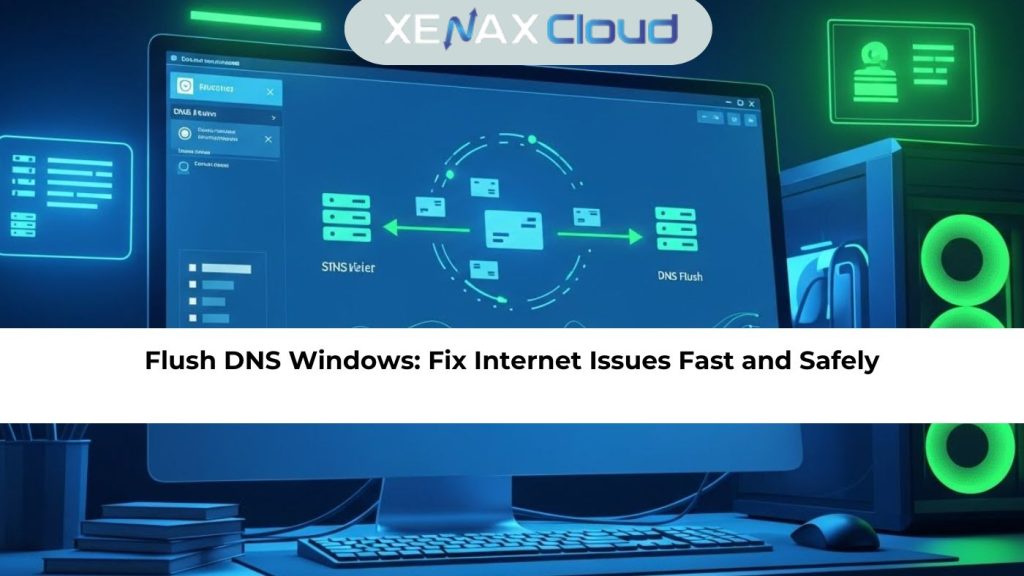
What Does Flush DNS Windows Actually Mean?
Flushing DNS on Windows means clearing the locally stored DNS cache from your system. This forces your computer to fetch fresh DNS information from the internet the next time you visit a website.
When you flush DNS Windows, you are not deleting anything critical. You are simply removing temporary records that Windows automatically rebuilds as needed. This process often resolves errors like websites not opening, incorrect redirects, or slow connections.
Many users also ask how to clear DNS cache Chrome. While Chrome maintains its own DNS cache, Windows-level flushing often solves most issues. In some cases, clearing both provides the best results.
For developers and system administrators, flushing DNS is a routine diagnostic step. It helps verify DNS changes, test new hosting environments, and ensure domain updates propagate correctly.
Why DNS Cache Issues Are Common Today
DNS cache problems are more frequent today because websites and servers change faster than ever. IP addresses change due to migrations, CDN updates, and hosting upgrades.
When DNS records update but your system still relies on old data, conflicts occur. This is where flush DNS Windows becomes essential.
Browsers like Chrome also cache DNS records to improve speed. While helpful, this can sometimes create inconsistencies between browser and system-level DNS resolution.
For businesses hosting websites on modern infrastructure, including Indian data centers, DNS changes are part of regular optimization. Clearing outdated cache ensures users connect to the correct server every time.
How to Flush DNS Windows Step by Step
Flushing DNS Windows is quick and safe. You do not need technical expertise to perform it.
Start by opening the Command Prompt as an administrator. Type the DNS flush command and press Enter. Within seconds, Windows clears the stored DNS records.
You will see a confirmation message indicating the DNS Resolver Cache has been successfully flushed. That is it.
After this step, restart your browser and revisit the website you were trying to access. In most cases, the issue is resolved immediately.
For users who frequently troubleshoot network issues, this simple action saves time and avoids unnecessary system changes.
How to Clear DNS Cache Chrome for Better Results
Sometimes, flushing DNS Windows alone is not enough. Chrome maintains its own DNS cache, separate from the operating system.
To clear DNS cache Chrome, open Chrome’s internal DNS page and clear the host cache. This ensures Chrome fetches fresh DNS data.
Doing both steps together provides the best results, especially when testing new domains or recent DNS updates.
This combination is useful for developers, website owners, and anyone managing online services.
How to Choose the Right Hosting Plan for DNS Stability
While flushing DNS Windows fixes local issues, long-term stability depends on reliable hosting.
Shared hosting works well for basic websites but may have limited DNS control. VPS hosting offers better DNS customization, faster propagation, and improved reliability.
For businesses managing multiple domains or applications, VPS hosting provides dedicated resources and flexibility.
A reliable VPS environment ensures DNS changes propagate smoothly and reduces the need for frequent cache flushing.
You can explore VPS hosting options here: https://xenaxcloud.com/vps-server/
Speed, Uptime, and Security Advantages of Proper DNS Handling
Correct DNS resolution directly affects website speed. When DNS records are accurate, browsers connect faster to servers.
Flushing outdated DNS cache removes delays caused by incorrect routing. This improves page load times and user experience.
From a security perspective, outdated DNS records can redirect users to incorrect or unsafe servers. Clearing cache ensures connections point to verified locations.
Indian servers enhance these advantages by offering stable uptime, strong network redundancy, and advanced security measures. This combination supports reliable DNS resolution for global users.
Real-World Use Cases for Businesses and Developers
Businesses often face DNS-related issues during website migrations, server upgrades, or domain changes. Flushing DNS Windows helps confirm updates quickly.
Developers rely on DNS flushing when testing staging environments or switching between servers. It ensures accurate testing without cached interference.
Support teams frequently recommend flushing DNS as a first troubleshooting step. It resolves many connectivity complaints without deeper investigation.
For global businesses using Indian hosting, this practice ensures users connect to the nearest and most efficient server location.
Why Indian Servers Handle Global Traffic Efficiently
Indian data centers are connected to major global internet routes. This allows efficient data flow across continents.
Low latency in Asia and competitive global speeds make Indian servers suitable for international websites and applications.
When DNS records point to Indian servers, users worldwide experience stable and predictable performance.
This efficiency reduces the need for repeated troubleshooting and improves overall reliability.
Scalability Options for Startups and Agencies
Startups often begin with simple hosting needs but grow rapidly. DNS management becomes more complex as traffic increases.
Shared hosting plans like Silver or Gold work well initially. As demand grows, upgrading to Platinum or Diamond provides better performance and control.
Agencies managing multiple client websites benefit from VPS plans that allow advanced DNS configuration and isolation.
This scalability ensures DNS stability and reduces connectivity issues as your business expands.
Comparison: Indian Servers vs Other Regions
Below is a general comparison of server performance across regions.
| Region | Latency (Asia) | Global Reach | Support Availability | Provisioning Speed |
|---|---|---|---|---|
| India | Low | High | 24/7 | Fast |
| United States | High | High | 24/7 | Moderate |
| Canada | High | Moderate | Limited | Moderate |
| Germany | Moderate | High | 24/7 | Moderate |
| UAE | Moderate | Regional | Limited | Fast |
This comparison highlights why Indian servers offer a balanced solution for global traffic and DNS reliability.
Frequently Asked Questions
What is the difference between Indian VPS and foreign VPS?
Indian VPS provides lower latency in Asia, cost efficiency, and strong global connectivity.
Can Indian servers handle global website traffic?
Yes, Indian servers efficiently serve international traffic through high-capacity networks.
How reliable is XenaxCloud hosting?
XenaxCloud delivers stable uptime, secure infrastructure, and responsive support.
How to choose the right server for my business?
Evaluate traffic volume, growth plans, and control needs before selecting a hosting plan.
Conclusion
Flush DNS Windows is a simple yet essential troubleshooting step for resolving connectivity and website access issues. It clears outdated records, improves speed, and ensures accurate server connections.
When combined with reliable Indian hosting infrastructure, DNS management becomes even more effective. XenaxCloud offers cost-effective hosting, strong global connectivity, and scalable plans backed by a 15-day money-back guarantee.
If you want smoother browsing, faster website access, and dependable hosting, take action today. Choose XenaxCloud hosting and always stay updated with the latest deals available on the XenaxCloud Offers Page.