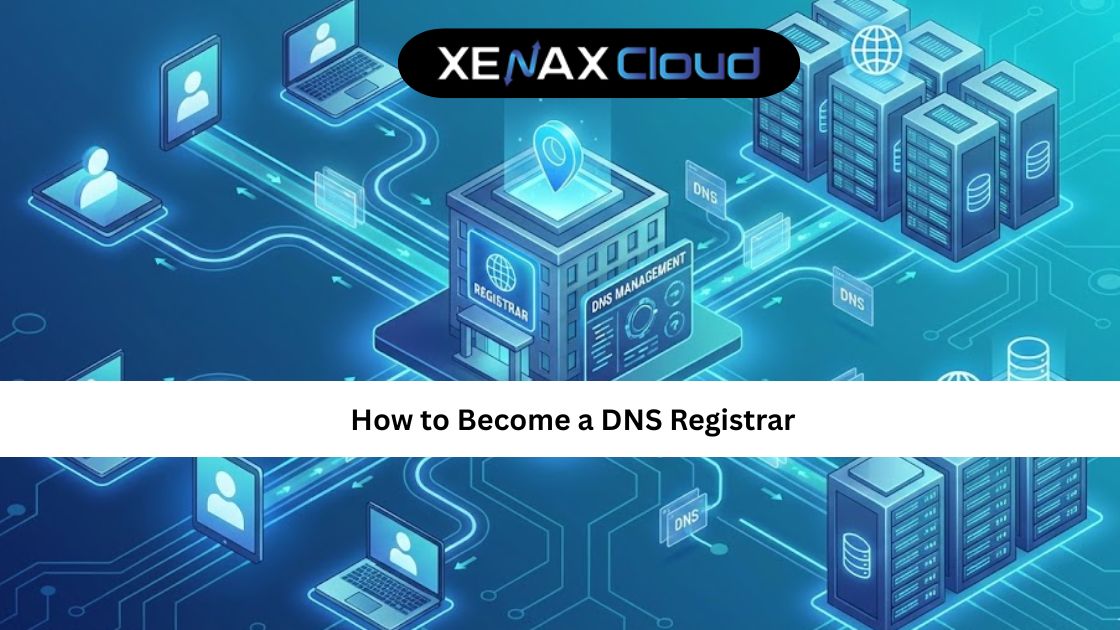
Learning how to become a DNS registrar is an important step for businesses that want full control over domain management, DNS records, and internet infrastructure services. As more companies move online, the demand for domain registration and DNS services continues to grow worldwide.
From startups launching new brands to enterprises managing thousands of domains, DNS registrars play a critical role in keeping the internet accessible and secure. With India emerging as a global IT and hosting hub, Indian infrastructure offers a smart, scalable, and cost-effective foundation for anyone planning to enter the DNS registrar business.
Indian servers deliver low latency across Asia, competitive global speeds, strong compliance standards, and the ability to scale internationally. This makes India an ideal base for operating DNS services that serve global customers.
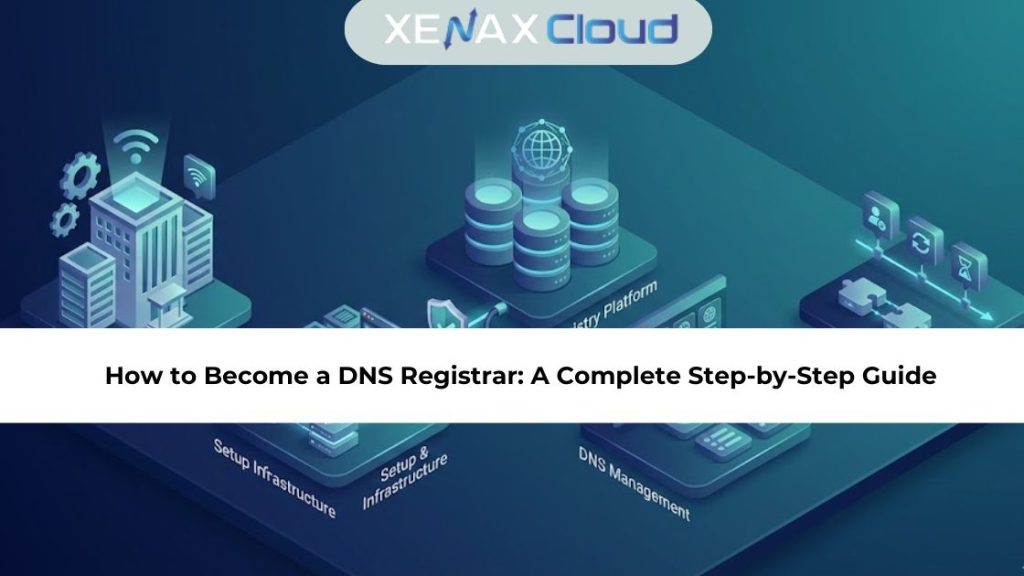
What Does a DNS Registrar Actually Do
Before understanding how to become a DNS registrar, it is essential to know the role of a registrar. A DNS registrar is responsible for registering domain names on behalf of users and maintaining records with official domain registries.
Registrars interact with global domain registries to reserve domain names, manage ownership details, and maintain DNS mappings. They also provide tools for DNS management, domain transfers, renewals, and security features like DNSSEC.
Unlike DNS resolvers, registrars do not resolve domain queries. Their job is administrative and technical, ensuring domain ownership and DNS records remain accurate and secure.
How DNS Registrars Fit Into the Internet Ecosystem
The internet relies on multiple layers working together. Registries manage top-level domains, registrars sell and manage domains, and DNS servers respond to queries.
Understanding this ecosystem is critical when learning how to become a DNS registrar. Registrars must comply with global standards, follow registry rules, and maintain reliable infrastructure.
Any downtime or misconfiguration can affect thousands of websites, which is why registrar operations require professional hosting and stable DNS systems.
Technical Knowledge Required to Become a DNS Registrar
Becoming a DNS registrar requires a solid understanding of DNS fundamentals. This includes DNS records, name servers, TTL values, and domain propagation.
You should understand DNS caching behavior because issues like flush DNS Windows or clear DNS cache Mac are often needed during troubleshooting. While end users handle cache clearing, registrars must ensure their DNS configurations are correct from the source.
Knowledge of networking, server security, and automation tools is also important for managing large-scale domain operations efficiently.
Infrastructure Requirements for a DNS Registrar
Infrastructure plays a major role in how to become a DNS registrar successfully. You need reliable servers, secure databases, and high-availability DNS systems.
VPS or dedicated servers are preferred because they offer better control over DNS services. Shared hosting is not suitable for registrar-level operations due to limited customization and security controls.
Indian hosting infrastructure offers strong uptime, scalable resources, and excellent connectivity, making it suitable for registrar platforms serving global users.
How to Choose the Right Hosting Plan
Choosing the right hosting plan directly impacts your success as a DNS registrar. Entry-level setups may begin with VPS hosting to manage registrar platforms and APIs.
As your customer base grows, you can scale to higher VPS configurations or dedicated servers. This ensures consistent DNS performance and reliable domain management services.
The most contextually relevant internal link for this topic is domain management infrastructure:
https://xenaxcloud.com/domain/
Security, Speed, and Reliability Considerations
DNS registrars are frequent targets for cyberattacks because DNS control equals domain control. Strong security measures are essential.
Reliable hosting ensures fast DNS updates, smooth propagation, and minimal downtime. Secure access control, encrypted communications, and regular audits protect both registrar systems and customer domains.
Indian servers offer reliable performance and compliance-ready infrastructure that supports these requirements without excessive operational cost.
Understanding DNS Cache From a Registrar Perspective
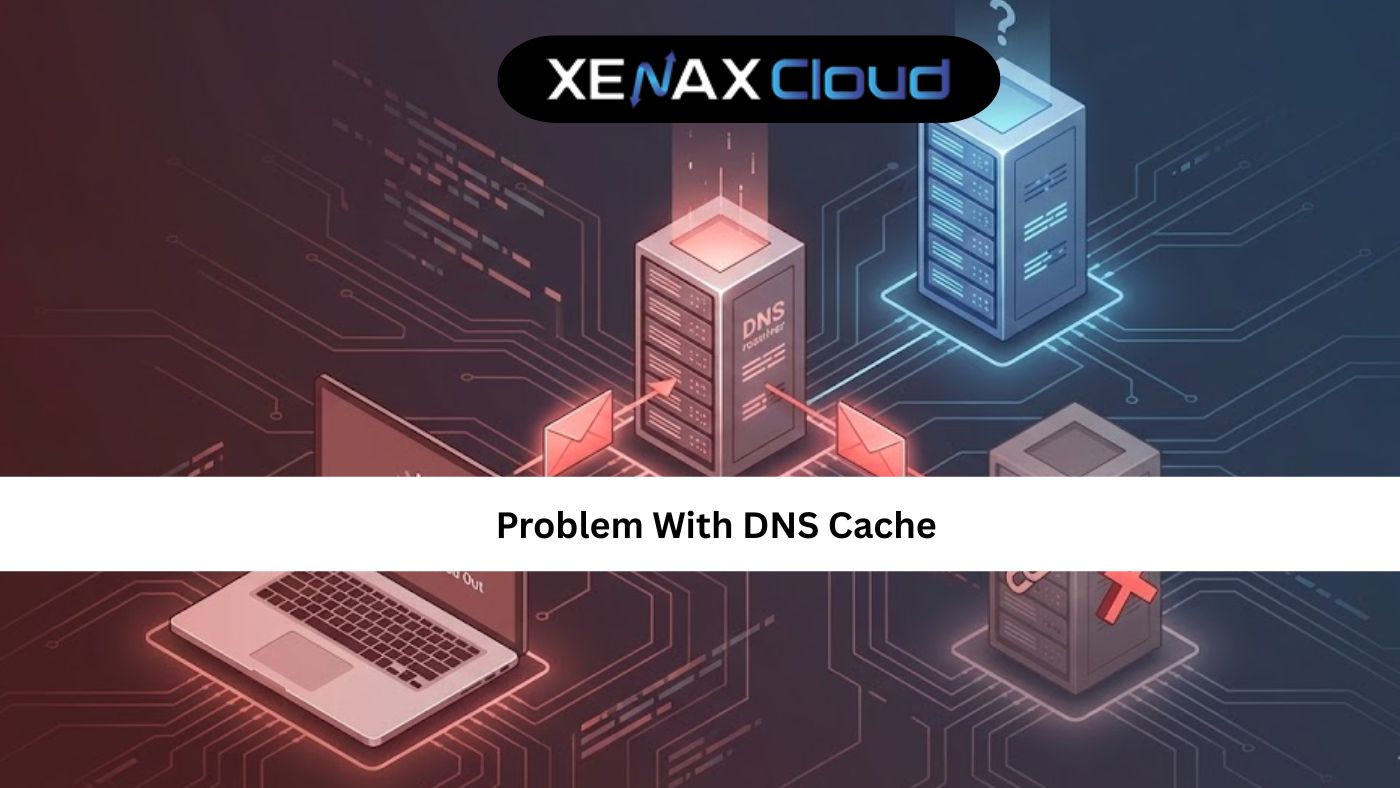
While users fix issues by flush DNS Windows or clear DNS cache Mac, registrars must focus on correct TTL values and propagation timing.
Incorrect TTL settings can cause delays when customers update DNS records. Registrars should educate users while maintaining optimal DNS configurations to reduce cache-related complaints.
Proper DNS design ensures smoother updates and fewer support requests related to cached data.
Real-World Use Cases for DNS Registrars
Startups launching multiple brands rely on registrars for centralized domain control. Hosting providers integrate registrar services to offer end-to-end solutions.
Agencies managing client domains benefit from registrar access to automate renewals and DNS updates. Enterprises with global operations need reliable registrars to maintain consistent DNS behavior worldwide.
Each use case highlights why understanding how to become a DNS registrar is valuable in today’s digital economy.
Why Indian Servers Can Handle Global DNS Traffic
Indian data centers are well-connected globally, enabling fast DNS propagation and stable registrar operations. This ensures consistent domain resolution for international users.
Low latency across Asia and competitive speeds to Europe and North America make Indian hosting suitable for global registrar services.
Scalability allows registrars to expand operations without migrating infrastructure.
Comparison: Indian Servers vs Foreign Regions
| Feature | Indian Servers | US | Canada | Germany | UAE |
|---|---|---|---|---|---|
| DNS Propagation Speed | Fast | Fast | Moderate | Fast | Moderate |
| Infrastructure Scalability | High | High | Medium | High | Medium |
| Operational Flexibility | Strong | Strong | Average | Strong | Average |
| Global Reach | Balanced | Strong | Average | Strong | Average |
FAQs
What is the difference between Indian VPS and foreign VPS?
Indian VPS offers stable DNS handling with balanced global performance.
Can Indian servers handle global website traffic?
Yes, they efficiently manage DNS resolution for international users.
Is Indian hosting cost-effective for international users?
Indian hosting provides reliable infrastructure with predictable costs.
How reliable is XenaxCloud hosting?
XenaxCloud offers strong uptime, secure DNS handling, and expert support.
How to choose the right server for my business?
Choose based on traffic volume, DNS needs, and future scalability.
Conclusion
Understanding how to become a DNS registrar requires technical knowledge, reliable infrastructure, and long-term scalability planning. From DNS fundamentals to cache handling and global propagation, every detail matters in registrar operations.
Indian hosting infrastructure offers cost-effective, secure, and scalable solutions for registrar businesses targeting global markets. With XenaxCloud, you gain reliable performance, expert support, and a 15-day money-back guarantee.
Start your registrar journey today with XenaxCloud.
Latest deals and offers are always available on the XenaxCloud Offers Page:
https://xenaxcloud.com/offers