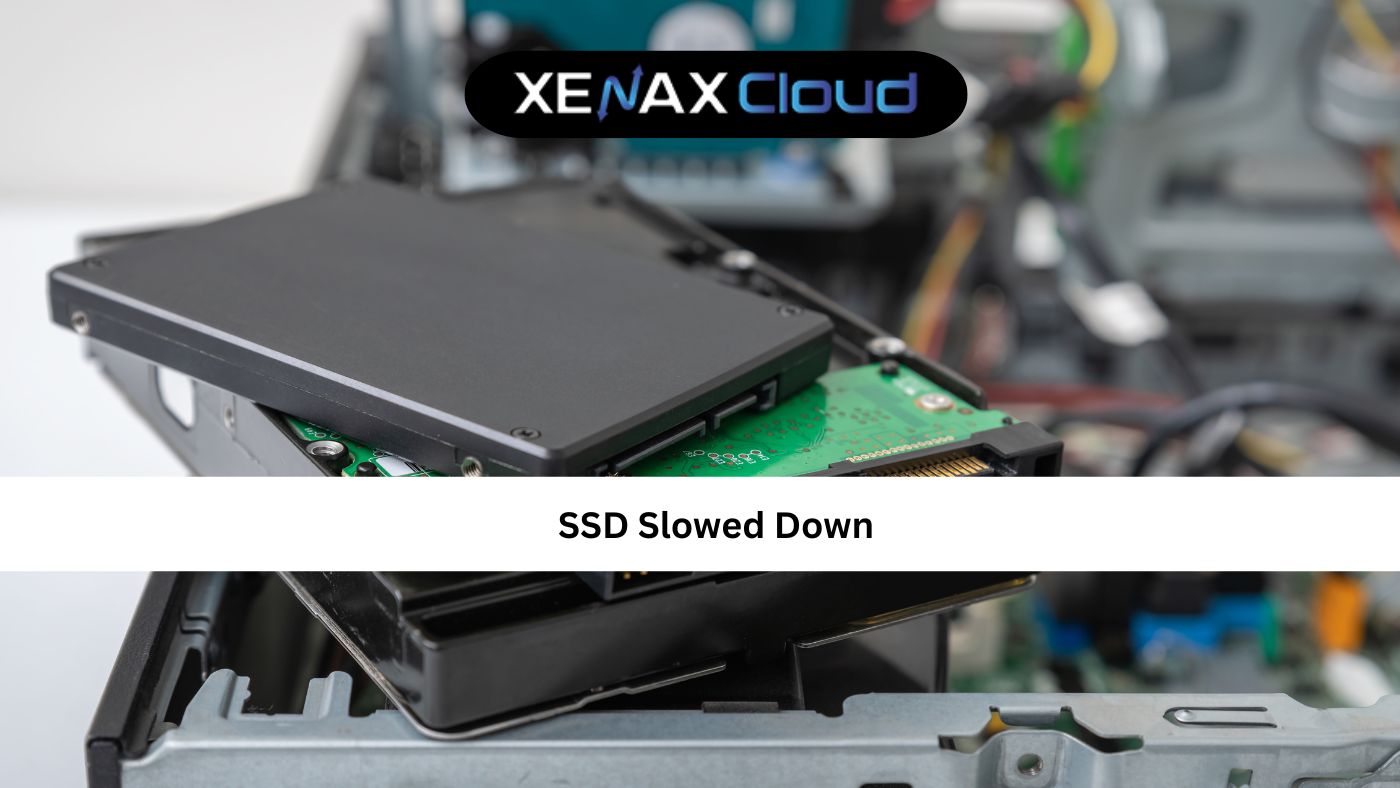
If your system or website suddenly feels sluggish, you might be asking why your SSD slowed down despite being known for speed. This issue affects users worldwide, from individual developers to growing businesses running data-heavy applications. SSDs are fast, but they are not immune to performance degradation.
Globally, SSD performance matters because modern websites, applications, and cloud platforms depend on fast read and write speeds. Even a small slowdown can impact user experience, SEO rankings, and business revenue.
Indian hosting infrastructure has evolved rapidly and now offers high-quality SSD storage with excellent performance. Indian servers are a smart choice due to cost-effectiveness, low latency across Asia, competitive global speed, strong security compliance, and easy scalability for international businesses. Understanding why an SSD slowed down helps you make better hosting and infrastructure decisions.
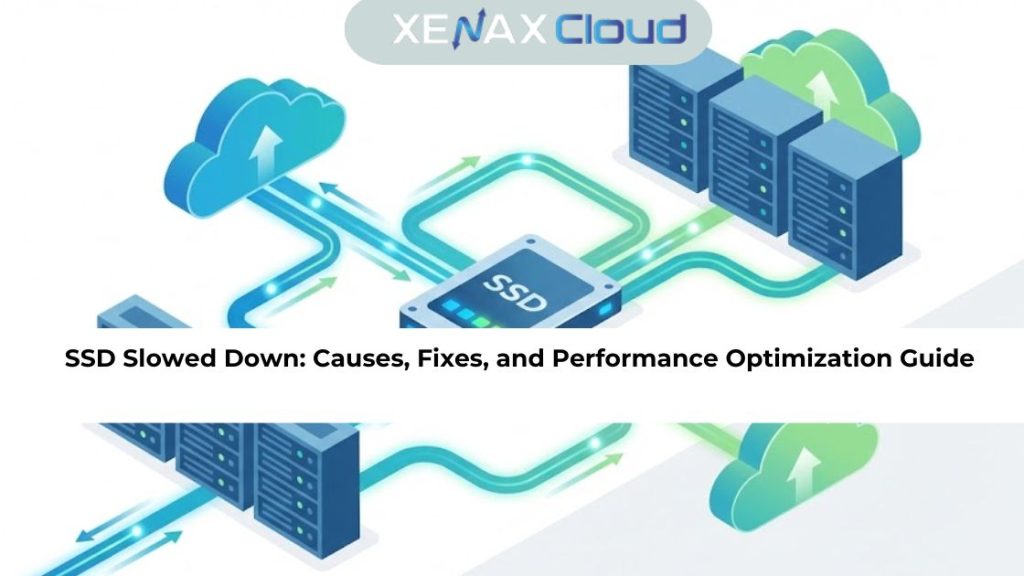
SSD Slowed Down: Common Reasons Behind Performance Drops
When an SSD slowed down, it is usually not due to a single issue. Multiple factors work together over time to reduce performance.
One major reason is storage saturation. SSDs perform best when free space is available. When the drive reaches high usage, write speeds drop noticeably. This is common on servers hosting databases or websites with large media files.
Another cause is write amplification. SSDs rely on complex controllers, and repeated write cycles can reduce efficiency. Over time, this leads to slower performance.
Outdated firmware or drivers can also contribute. Without updates, SSDs may not handle workloads efficiently.
Understanding these causes helps diagnose why an SSD slowed down and how to fix it.
How to Choose the Right Hosting Plan to Avoid SSD Slowdowns
Choosing the right hosting plan directly affects SSD performance. Shared hosting is suitable for small websites, but resource sharing can slow down SSD performance during peak usage.
For basic projects, Shared Hosting Silver with 1 Website, 15GB Storage, and 100GB Bandwidth is enough. However, as traffic grows, SSD performance may drop due to shared I/O limits.
For better performance, VPS hosting is recommended. VPS plans provide dedicated resources, ensuring SSD speed remains consistent even during heavy workloads.
You can explore scalable hosting here:
👉 https://xenaxcloud.com/vps-server/
Speed, Uptime, and Security Advantages of Optimized SSD Hosting
Optimized SSD hosting ensures consistent speed even under load. High-quality SSDs with proper caching and I/O allocation prevent performance drops.
Uptime stability matters because frequent restarts or crashes can degrade SSD performance over time. Reliable servers reduce unnecessary write cycles.
Security also plays a role. Malware or unauthorized scripts can overload SSDs with excessive read and write operations. Secure hosting environments protect SSD performance by preventing such misuse.
When speed, uptime, and security are balanced, the chances of an SSD slowed down scenario are significantly reduced.
How SSD Performance Affects Websites and Applications
When an SSD slowed down, websites experience longer load times. Database queries take longer, file access slows, and overall responsiveness drops.
For ecommerce platforms, this can lead to abandoned carts. For SaaS applications, it reduces user satisfaction. Developers often mistake this slowdown for code issues when the real problem is storage performance.
SSD speed is especially critical for CMS platforms, APIs, and data-driven applications. Ensuring proper SSD performance keeps applications stable and fast.
Why Indian Servers Handle SSD Workloads Efficiently
Indian data centers now use enterprise-grade SSDs with modern controllers. These are optimized for sustained workloads, not just short bursts.
Low latency within Asia ensures faster access for regional users. Global connectivity ensures international users also experience competitive speeds.
Scalability is another advantage. Indian hosting allows quick upgrades to handle growing storage demands, preventing SSD saturation.
These factors make Indian servers a strong choice when dealing with SSD performance concerns.
Comparison: Indian Servers vs Foreign Servers for SSD Performance
| Feature | India | USA | Canada | Germany | UAE |
|---|---|---|---|---|---|
| SSD Speed Consistency | High | High | Medium | Very High | High |
| Latency for Asia | Low | High | High | Medium | Low |
| Uptime Stability | High | High | High | Very High | High |
| Scalability | Easy | Easy | Moderate | Moderate | Easy |
Indian servers offer balanced SSD performance with excellent scalability and global reach.
Real-World Use Cases Where SSD Slowdowns Occur
Businesses running large databases often notice SSD slowdowns during peak operations. Frequent read and write operations strain storage performance.
Developers testing multiple environments on a single server can also cause SSD saturation.
Agencies hosting multiple client websites on shared storage may experience inconsistent SSD speeds.
In all these cases, upgrading hosting plans or optimizing storage usage resolves the issue effectively.
Scalability Options to Prevent SSD Performance Drops
Scalability is the key to avoiding SSD slowdowns. As data grows, storage requirements increase.
VPS hosting allows easy scaling of storage and I/O resources. This ensures SSD performance remains stable even as workloads increase.
Dedicated servers are ideal for large-scale applications with heavy storage demands. They eliminate resource sharing entirely.
Scalable infrastructure ensures your SSD performance remains consistent as your business grows.
Frequently Asked Questions
What is the difference between Indian VPS and foreign VPS?
Indian VPS offers lower latency in Asia and cost-effective scaling with reliable SSD performance.
Can Indian servers handle global website traffic?
Yes, Indian servers efficiently manage global traffic with optimized SSD storage.
Is Indian hosting cost-effective for international users?
Indian hosting provides competitive pricing with high-performance SSD infrastructure.
How to choose the right server for my business?
Choose based on data size, traffic volume, and long-term scalability needs.
How reliable is XenaxCloud hosting?
XenaxCloud offers stable uptime, secure servers, and optimized SSD performance.
Conclusion
When an SSD slowed down, it is often due to storage saturation, outdated configurations, or inadequate hosting resources. Understanding the root causes helps you fix performance issues before they impact users or revenue.
Indian hosting infrastructure offers reliable SSD performance with cost efficiency, scalability, and global connectivity. XenaxCloud combines these strengths with flexible hosting plans and dependable support.
Take control of your performance today. Choose XenaxCloud hosting with a 15-day money-back guarantee and always check the XenaxCloud Offers Page for the latest deals and discounts before upgrading your infrastructure.