Server security has become one of the most important concerns for businesses, developers, and digital agencies worldwide. As more infrastructure moves to cloud and VPS environments, protecting server access is no longer optional. This is where ssh two factor authentication plays a critical role in modern hosting security.
SSH is the primary method used to access Linux servers remotely. While it is secure by design, relying only on passwords or keys is no longer enough. Attackers now use automated tools, leaked credentials, and brute force methods to gain unauthorized access. Adding an extra verification layer significantly reduces these risks.
Indian hosting infrastructure has gained global attention due to its cost-effectiveness, reliable connectivity across Asia, competitive international speeds, and strong compliance standards. When combined with advanced security practices like ssh two factor authentication, Indian servers become a smart choice for global businesses that want both performance and protection at scale.
What Is SSH Two Factor Authentication and Why It Matters
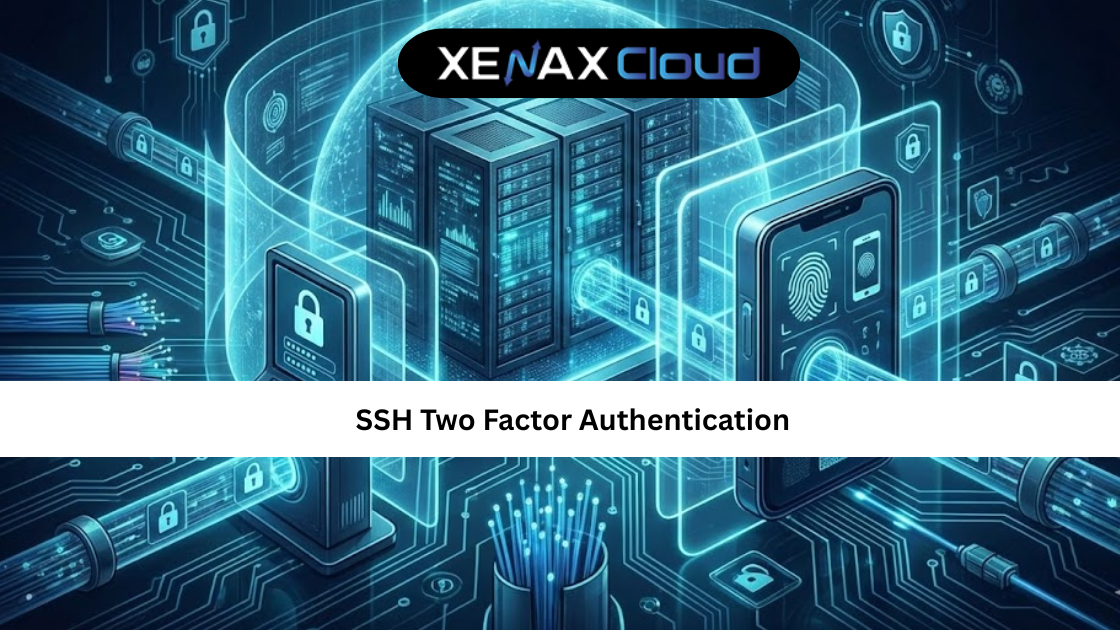
SSH two factor authentication is a security method that requires two separate forms of verification before granting server access. The first factor is something you know, such as a password or SSH key. The second factor is something you have, usually a temporary code generated on a trusted device.
This approach ensures that even if login credentials are compromised, attackers cannot access the server without the second factor. It dramatically reduces the success rate of brute force attacks and credential misuse.
For hosting environments that store sensitive data, customer information, or business-critical applications, this additional layer is essential. It aligns with modern security best practices and is increasingly expected in compliance-driven industries.
By implementing ssh two factor authentication, server administrators gain better control, visibility, and confidence over who can access their infrastructure.
How to Choose the Right Hosting Plan for Secure SSH Access
Choosing the right hosting plan is the foundation of implementing secure SSH access. Not all hosting environments allow full control over server-level security configurations.
Shared hosting plans are usually limited in terms of SSH customization. They are suitable for basic websites but not ideal for advanced authentication setups. VPS and dedicated servers are the preferred options for implementing ssh two factor authentication because they provide root access and configuration flexibility.
For small businesses and developers, Normal KVM VPS 1 with 2 Vcore CPU, 8GB RAM, and 40GB Storage is a strong starting point. It offers enough resources to run secure authentication modules without performance impact.
Growing teams that manage multiple applications or users may prefer Normal KVM VPS 2 with 4 Vcore CPU and 16GB RAM for better concurrency. Choosing the right plan ensures security features work smoothly alongside application workloads.
Speed, Uptime, and Security Advantages of Indian Servers
Indian data centers are designed to deliver reliable performance and strong uptime for both regional and global users. With improved submarine cable connectivity and modern network infrastructure, latency across Asia is low, and global routing remains competitive.
Security is another major advantage. Indian hosting environments follow international standards for data protection, redundancy, and compliance. Firewalls, DDoS protection, and monitoring systems form a strong baseline for server safety.
Adding ssh two factor authentication enhances this environment further by protecting administrative access without affecting server speed. Authentication checks are lightweight and occur only during login, leaving application performance untouched.
This balance of speed, uptime, and security makes Indian servers a practical choice for businesses serving users across different regions.
SSH Two Factor Authentication Guide for VPS and Cloud Servers
A proper ssh two factor authentication guide focuses on ease of use, compatibility, and recovery planning. Most Linux servers support two factor authentication through PAM modules that integrate seamlessly with SSH.
The process usually involves installing an authentication module, linking it with a time-based code generator, and updating SSH configuration files. Once enabled, each login requires a temporary code in addition to the standard credentials.
For VPS and cloud servers, this setup works reliably without additional hardware. Administrators can assign separate authentication devices to each user, improving accountability and access control.
This method is widely adopted across cloud platforms because it is simple to maintain and highly effective against unauthorized access attempts.
SSH Two Factor Authentication Tutorial for Beginners
This ssh two factor authentication tutorial explains the concept without complex technical language. First, the server is configured to accept SSH keys instead of plain passwords. This alone improves security.
Next, a two factor authentication module is installed. During setup, users scan a QR code using an authenticator app on their phone. The app then generates time-based codes that refresh every few seconds.
After setup, every SSH login requires both the SSH credential and the temporary code. Even if someone steals the password or key, access remains blocked without the second factor.
Beginners should always keep backup recovery codes and test access carefully before enforcing the setup on production servers.
Real-World Use Cases for Businesses and Developers
For startups, ssh two factor authentication protects early-stage infrastructure from common attacks while teams grow quickly. It ensures that only verified developers can deploy or modify applications.
Agencies managing multiple client servers benefit from reduced breach risks and clearer access control. Each administrator uses their own authentication device instead of shared credentials.
E-commerce platforms rely heavily on secure server access to protect customer data and payment systems. Two factor authentication minimizes the risk of unauthorized changes or data leaks.
Enterprises hosting applications in India use this security model to meet international compliance expectations while maintaining cost efficiency.
Why Indian Servers Can Handle Global Traffic Efficiently
Indian servers are well-connected through global internet exchanges and high-capacity backbone networks. This allows them to serve users in Asia, the Middle East, Europe, and beyond with stable performance.
Content delivery networks, caching layers, and optimized routing further enhance global reach. While front-end traffic is optimized for users, back-end access remains protected through mechanisms like ssh two factor authentication.
This separation ensures that global users enjoy fast load times while administrators maintain secure and controlled server access.
For businesses targeting international audiences, Indian hosting provides both reach and reliability.
Scalability Options for Startups and Agencies
Scalability is not just about increasing CPU or RAM. It also involves maintaining consistent security as infrastructure grows. SSH two factor authentication scales easily across multiple servers.
VPS environments allow seamless upgrades without changing authentication settings. Agencies can onboard new team members by assigning individual authentication devices rather than sharing passwords.
Dedicated servers offer even more control, allowing custom access policies and advanced monitoring. This scalability ensures that security does not become a bottleneck during growth.
As businesses expand globally, maintaining a uniform security framework becomes easier with two factor authentication.
Indian Servers vs Foreign Regions: Performance Comparison
Below is a neutral comparison of Indian servers with other major hosting regions, focusing on performance and operational benefits.
| Region | Latency to Asia | Global Connectivity | Security Control | Provisioning Speed |
|---|---|---|---|---|
| India | Excellent | Strong | High | Fast |
| USA | Moderate | Strong | High | Moderate |
| Canada | Moderate | Good | High | Moderate |
| Germany | Moderate | Strong | High | Moderate |
| UAE | Good | Moderate | High | Fast |
Indian servers combine strong security control, fast provisioning, and excellent Asia connectivity, making them suitable for global workloads.
Secure SSH Hosting with XenaxCloud Infrastructure
XenaxCloud offers VPS, RDP, and dedicated server environments designed for security-focused workloads. Their infrastructure supports full SSH customization, firewall rules, and authentication modules.
For implementing ssh two factor authentication, VPS hosting is the most suitable option. You can explore VPS solutions here:
https://xenaxcloud.com/vps-server/
This environment allows administrators to deploy advanced SSH security without restrictions.
Best Hosting Plans for SSH Two Factor Authentication
For secure SSH access, VPS plans provide the best balance of control and performance.
The Normal KVM VPS 1 with 2 Vcore CPU, 8GB RAM, and 40GB Storage is ideal for small production servers and development environments.
For higher traffic and multi-user access, Normal KVM VPS 2 with 4 Vcore CPU and 16GB RAM offers better concurrency.
Performance-focused applications benefit from Speed KVM VPS 3 with 8 Vcore CPU and 16GB RAM, ensuring smooth authentication and application performance.
These plans allow secure scaling without changing authentication architecture.
Frequently Asked Questions
What is the difference between Indian VPS and foreign VPS?
Indian VPS offers lower latency in Asia with competitive global performance and cost-efficient infrastructure compared to foreign regions.
Can Indian servers handle global website traffic?
Yes, Indian servers are well-connected globally and can handle international traffic efficiently with proper optimization.
Is Indian hosting cost-effective for international users?
Indian hosting delivers strong performance and security at lower operational costs, making it attractive for global businesses.
How reliable is XenaxCloud hosting?
XenaxCloud provides stable infrastructure, high uptime, and secure environments suitable for global workloads.
How to choose the right server for my business?
Choose based on traffic volume, security needs, scalability goals, and required administrative control, with VPS being ideal for most growing businesses.
Conclusion
Implementing ssh two factor authentication is one of the most effective ways to protect server access in today’s cloud-driven environment. It safeguards infrastructure against unauthorized logins, supports compliance, and builds long-term trust.
Indian hosting infrastructure offers a strong mix of affordability, global connectivity, and reliability. When combined with XenaxCloud’s VPS solutions, businesses gain a secure and scalable foundation for global operations.
With a 15-day money-back guarantee and transparent hosting plans, XenaxCloud makes secure server hosting accessible for startups, agencies, and enterprises. The latest deals and discounts are always available on the XenaxCloud Offers Page: https://xenaxcloud.com/offers.