As websites, applications, and online services grow, shared hosting often becomes a limitation. This is where vds servers come into focus. They offer more control, better performance, and stronger isolation without the cost of a full dedicated server.
Globally, businesses are shifting toward virtualized infrastructure to balance performance and budget. Developers need flexibility, startups need scalability, and enterprises need reliability. Choosing the right server location matters just as much as choosing the right technology.
Indian hosting infrastructure has emerged as a strong global choice. It combines cost-effectiveness, low latency across Asia, competitive speeds worldwide, enterprise-grade security, and easy scalability for international businesses. For users exploring VDS solutions, Indian servers deliver dependable performance without unnecessary expense.
VDS Servers: What They Are and Why They Matter
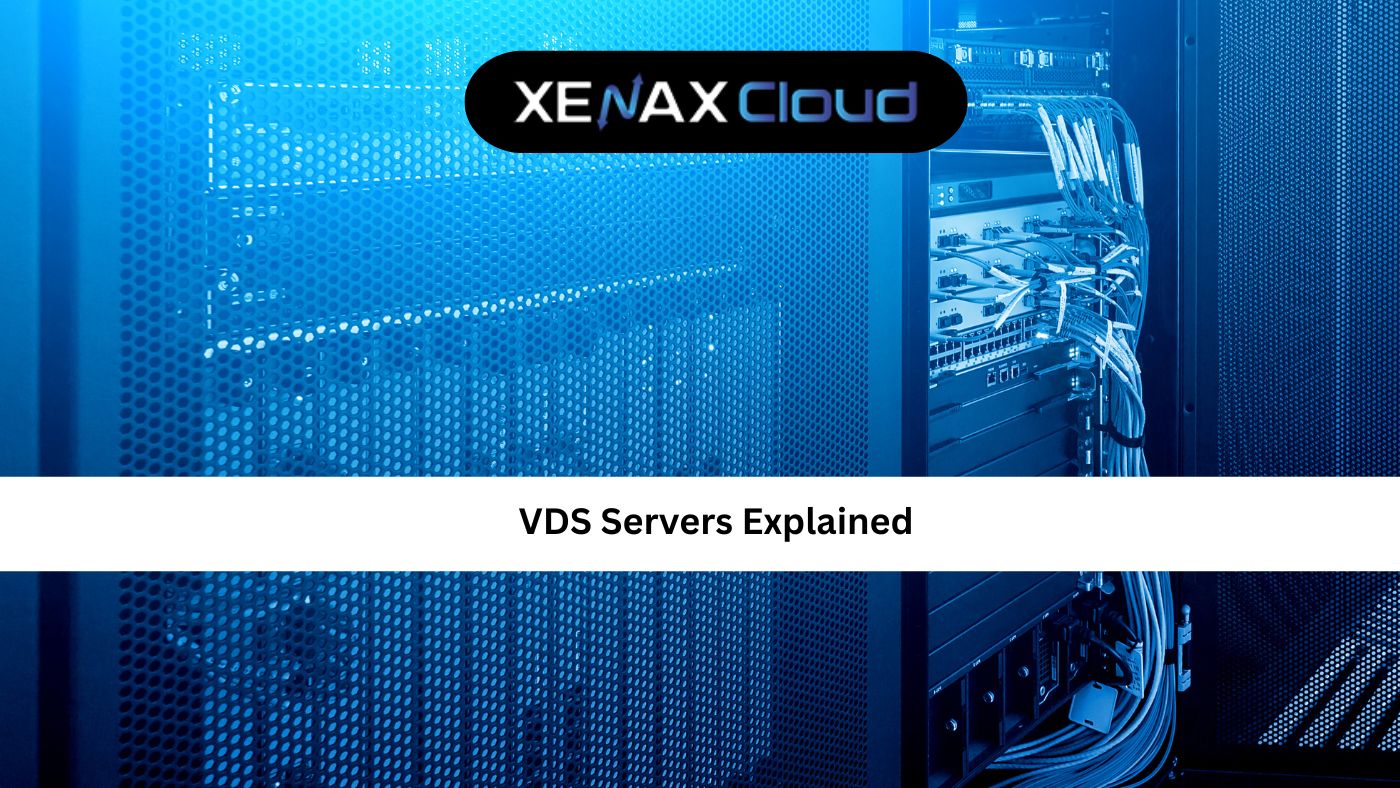
VDS servers, or Virtual Dedicated Servers, sit between VPS and dedicated servers. They use virtualization technology but allocate fixed resources that behave like dedicated hardware. This means better consistency and stronger isolation compared to standard VPS setups.
In simple terms, a VDS gives you guaranteed CPU, RAM, and storage. Your performance is not affected by neighboring users. This makes VDS ideal for resource-intensive websites, databases, and applications.
Many businesses choose VDS when shared hosting becomes restrictive but dedicated servers feel excessive. With VDS, you gain control, stability, and predictable performance.
Indian data centers now support advanced virtualization platforms that power VDS environments efficiently. This makes them a practical choice for global users who want reliability without overspending.
How to Choose the Right Hosting Plan for VDS Servers
Choosing the right plan is a crucial step in any vds servers guide. The correct configuration depends on workload type, traffic volume, and growth expectations.
For lightweight applications or development environments, entry-level virtualized servers may be enough. As traffic increases, fixed CPU cores and higher RAM become essential to maintain performance.
Businesses running databases, CRM systems, or custom applications should prioritize memory and CPU allocation. Storage type also matters. SSD-based storage ensures faster read and write operations.
XenaxCloud’s KVM-based infrastructure supports VDS-style performance. Plans like KVM VPS 2 — 4 Vcore CPU, 16GB RAM, 50GB Storage, 4TB Bandwidth, $10.79 work well for growing applications. Larger deployments can move to KVM VPS 4 — 16 Vcore CPU, 64GB RAM, 100GB Storage, 10TB Bandwidth, $35.99 for consistent performance under heavy load.
Speed, Uptime, and Security Advantages of Indian VDS Hosting
Performance is one of the biggest reasons businesses adopt vds servers. Fixed resources eliminate unpredictable slowdowns, ensuring consistent response times.
Indian data centers now use modern SSD storage, high-capacity networking, and optimized virtualization stacks. This results in fast application performance and stable workloads.
Uptime is equally important. Applications hosted on VDS platforms often support critical operations. Indian infrastructure is designed for high availability, reducing downtime risks.
Security also benefits from VDS isolation. Each server operates independently, limiting exposure to other users. Combined with firewalls, monitoring, and compliance-ready facilities, Indian hosting environments provide a secure foundation for sensitive workloads.
Real-World Use Cases for Businesses and Developers
VDS hosting supports a wide range of real-world applications. SaaS companies rely on fixed resources to deliver predictable performance to users.
Developers use VDS for staging and production environments where configuration control is essential. Unlike shared hosting, VDS allows full customization.
Ecommerce platforms benefit from stable performance during traffic spikes. With dedicated resource allocation, checkout processes remain smooth even under load.
Agencies hosting multiple client applications use VDS to isolate projects and prevent one client from affecting another. This makes management simpler and more professional.
These examples show why VDS adoption continues to grow across industries.
Why Indian Servers Can Handle Global Traffic Efficiently
Indian servers are no longer limited to regional audiences. Modern Indian data centers connect directly to global Tier-1 networks, enabling efficient traffic routing worldwide.
For vds servers, this global connectivity ensures low latency for Asian users and competitive performance for users in Europe, the Middle East, and North America.
Applications hosted in India can serve international traffic reliably without the high operational costs associated with some traditional regions. This balance makes Indian hosting especially attractive for startups and growing businesses.
As global demand increases, Indian infrastructure continues to scale to meet performance expectations.
Comparison: Indian VDS Servers vs Other Regions
Below is a neutral comparison of Indian servers with other popular hosting regions.
| Region | Latency in Asia | Global Performance | Provisioning Speed | Support Availability | Reliability |
|---|---|---|---|---|---|
| India | Very Low | High | Fast | 24/7 | Excellent |
| United States | High | High | Moderate | 24/7 | Excellent |
| Canada | High | Moderate | Moderate | Limited | Very Good |
| Germany | Moderate | High | Slow | Limited | Very Good |
| UAE | Low | Moderate | Fast | 24/7 | Good |
Indian servers stand out for balanced global performance and fast provisioning.
VDS Servers Guide: Key Differences from VPS and Dedicated Hosting
This vds servers guide helps clarify common confusion. VPS hosting shares resources dynamically, while VDS assigns fixed resources. Dedicated servers offer physical isolation but cost significantly more.
VDS provides a middle ground. You get dedicated-like performance without paying for unused hardware.
For businesses that have outgrown VPS limitations but do not need full physical servers, VDS is often the most efficient choice.
Indian hosting providers have optimized this model to deliver high performance at accessible price points.
VDS Servers Tutorial: When to Upgrade
A practical vds servers tutorial focuses on timing. If your application slows down during peak traffic, it may be time to move from shared or VPS hosting.
Frequent CPU throttling, memory limits, or inconsistent response times are clear signals. VDS hosting resolves these issues by offering fixed resources.
Upgrading early prevents performance issues from affecting users. It also simplifies long-term scaling strategies.
Scalability Options for Startups and Agencies
Scalability is essential for modern businesses. Startups grow unpredictably, and agencies manage diverse client workloads.
Indian VDS hosting supports seamless upgrades. You can increase CPU, RAM, and storage without rebuilding your environment.
For large workloads, plans like KVM VPS 6 — 20 Vcore CPU, 40GB RAM, 120GB Storage, 10TB Bandwidth, $29.99 offer strong performance headroom.
This flexibility allows businesses to scale confidently while controlling costs.
Recommended Hosting for VDS-Style Performance
For users seeking VDS-level performance with flexibility and control, KVM-based VPS hosting is the most practical solution.
Recommended internal link:
👉 VPS Hosting: https://xenaxcloud.com/vps-server/
This option provides fixed resource allocation, strong isolation, and global connectivity.
Frequently Asked Questions
What is the difference between Indian VPS and foreign VPS?
Indian VPS offers lower latency in Asia and cost-efficient infrastructure while maintaining strong global performance.
Can Indian servers handle global website traffic?
Yes, Indian servers connect to global networks and efficiently serve international users.
Is Indian hosting cost-effective for international users?
Indian hosting provides enterprise-grade performance at lower operational costs.
How reliable is XenaxCloud hosting?
XenaxCloud delivers stable uptime, transparent resources, and 24/7 expert support.
How to choose the right server for my business?
Evaluate workload size, growth plans, and performance needs, then select a server that scales easily.
Conclusion: Choose the Right VDS Infrastructure with Confidence
Vds servers offer the perfect balance between performance, control, and cost. They eliminate shared resource limitations while remaining more accessible than dedicated servers.
Indian hosting infrastructure enhances this value by delivering global performance, strong security, and scalable resources. With XenaxCloud, you gain dependable hosting backed by a 15-day money-back guarantee.
If you are ready to upgrade your infrastructure, now is the right time.
The latest deals and offers are always available on the XenaxCloud Offers Page: https://xenaxcloud.com/offers.
👉 Choose XenaxCloud today and power your applications with high-performance VDS-style hosting.