Running websites has become easier than ever, which is why many people explore web hosting from home as a low-cost idea. On the surface, it sounds simple. You already have a computer and an internet connection, so why not host a website yourself?
Globally, websites are expected to stay online 24/7. Even short downtime affects trust, rankings, and revenue. This is where infrastructure matters. Indian hosting environments have evolved into reliable global platforms, offering cost-effective resources, low latency across Asia, competitive global speeds, and strong compliance standards.
Understanding whether web hosting from home is practical or risky helps businesses make smarter decisions. This guide explains how home hosting works, its limitations, and why professional Indian hosting is often the better long-term solution.

Understanding What Web Hosting from Home Really Means
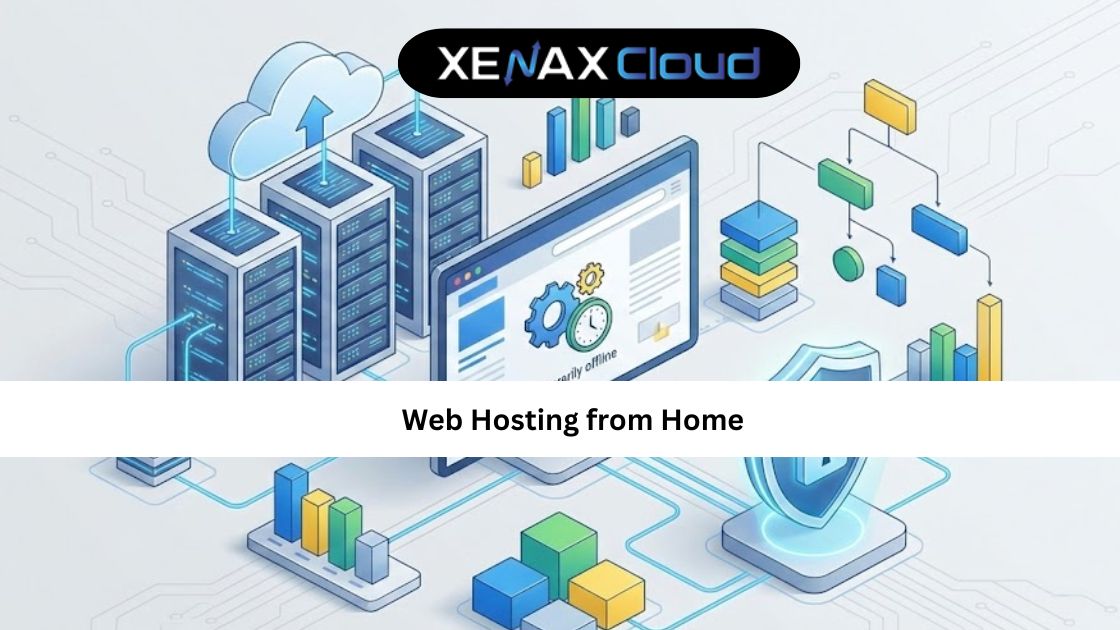
Web hosting from home means running a web server on your personal system instead of using a data center. This usually involves installing software like Apache or Nginx, configuring ports on your router, and keeping your system online continuously.
In theory, it works. In practice, it introduces several challenges. Home internet connections are not designed for continuous traffic. Power outages, ISP restrictions, and limited upload speeds can quickly disrupt access.
Security is another concern. Home networks lack enterprise-grade firewalls and monitoring. This makes websites vulnerable to attacks, which can lead to data loss or service interruptions.
For learning or testing purposes, web hosting from home can be useful. For live websites, especially those serving users globally, it becomes unreliable very quickly.
How to Choose the Right Hosting Plan Instead of Hosting from Home
Many people turn to web hosting from home to save money. However, modern cheap web hosting plans often cost less than maintaining your own setup when time, electricity, and risk are considered.
Shared hosting is usually the best starting point. It removes the complexity of server management while keeping costs low. Plans like Silver or Gold are enough for blogs, portfolios, and small business websites.
As traffic grows, VPS hosting becomes a smarter option. VPS provides dedicated resources, better security, and full control without the instability of home hosting. Indian VPS servers are particularly attractive due to their balance of affordability and performance.
If your website is business-critical, hosting from home is simply not worth the risk. A managed hosting plan saves time and prevents costly downtime.
Speed, Uptime, and Security: Why Home Hosting Falls Short
Speed is one of the biggest weaknesses of web hosting from home. Residential internet connections usually have low upload bandwidth. When multiple users access your site, pages load slowly or fail entirely.
Uptime is another issue. Home setups depend on local electricity and consumer-grade routers. Even short interruptions can cause extended downtime, which search engines notice.
Security is the most serious concern. Home servers are easy targets for automated attacks. Without constant monitoring and patching, vulnerabilities remain open.
Indian data centers solve these problems by offering redundant power, optimized networks, and proactive security. This makes professional hosting far more reliable than any home setup.
Comparison: Web Hosting from Home vs Indian Data Centers
The comparison below focuses on performance and reliability, not pricing.
| Factor | Hosting from Home | Indian Servers | US / Canada | Germany | UAE |
|---|---|---|---|---|---|
| Uptime Reliability | Low | High | High | Very High | High |
| Security Level | Basic | Strong | Strong | Very Strong | Strong |
| Global Accessibility | Limited | Balanced | Strong | Strong | Moderate |
| 24/7 Support | None | Available | Available | Limited Time Zones | Available |
Indian servers provide consistent performance without the risks of home hosting.
Real-World Use Cases Where Hosting from Home Is Considered
Students often use web hosting from home for learning server basics. It helps them understand how websites work behind the scenes.
Developers may host local test environments at home before deploying to production servers. This keeps experiments isolated from live users.
Some hobby projects or private tools run on home servers without public access. In such cases, risk is minimal.
However, businesses, ecommerce stores, and client websites should never rely on home hosting. The risk of downtime and security breaches is too high.
Why Indian Servers Handle Global Traffic Efficiently
Indian servers are connected to major international routes, allowing websites to serve users across Asia, Europe, and other regions efficiently. This reduces latency compared to hosting from home, which relies on consumer ISPs.
Scalability is another key advantage. As traffic grows, resources can be upgraded without service interruption. Home hosting cannot scale this way.
Compliance and data protection standards in Indian data centers add another layer of trust. This makes them suitable for professional and international use.
For global websites, Indian hosting delivers stability without unnecessary complexity.
Scalability Options for Startups and Agencies
Startups often begin small and grow fast. Hosting from home cannot support sudden traffic spikes. This leads to crashes and lost opportunities.
Agencies managing multiple client websites need isolation. VPS or reseller hosting ensures one site does not affect others.
XenaxCloud offers hosting options that scale with growth. Shared Hosting works for entry-level projects, while VPS plans support advanced applications. Dedicated Servers are ideal for high-traffic platforms.
Scalability ensures long-term stability and peace of mind.
Best Hosting Plans as an Alternative to Hosting from Home
For beginners and small websites, Shared Hosting Silver or Gold plans provide stable performance at low cost.
For growing projects, KVM VPS 2 or KVM VPS 3 offer dedicated resources and better control.
For businesses with high traffic or sensitive data, Dedicated Server solutions deliver maximum reliability.
You can explore Shared Hosting here:
https://xenaxcloud.com/shared-hosting/
FAQs
What is the difference between Indian VPS and foreign VPS?
Indian VPS offers lower latency in Asia with balanced global performance and responsive support.
Can Indian servers handle global website traffic?
Yes, Indian servers efficiently manage global traffic through strong international connectivity.
Is Indian hosting cost-effective for international users?
Indian hosting delivers reliable performance at competitive operational costs.
How reliable is XenaxCloud hosting?
XenaxCloud provides stable uptime, secure infrastructure, and real human support.
How to choose the right server for my business?
Choose hosting based on traffic volume, website complexity, and future scalability.
Conclusion
Web hosting from home may sound appealing, but it comes with serious limitations in speed, uptime, security, and scalability. For live websites, these risks often outweigh any short-term savings.
Indian hosting infrastructure offers a smarter alternative. It combines affordability, global performance, and professional reliability. XenaxCloud enhances this with flexible plans and a 15-day money-back guarantee, allowing you to switch without risk.
If you want dependable hosting that grows with your business, now is the right time to move away from home hosting.
Latest deals and discounts are always available on the XenaxCloud Offers Page:
https://xenaxcloud.com/offers
👉 Choose stability, performance, and peace of mind with XenaxCloud.