Data is one of the most valuable assets for any business, and protecting it should always be a priority. Whether you manage a website, database, cloud application, or business server, storage reliability directly affects uptime and performance. This is where understanding what is a RAID array becomes important. RAID technology combines multiple storage drives into a single logical unit to improve speed, increase redundancy, and reduce the risk of data loss caused by hardware failures.
In this what is a RAID array guide, you’ll learn how RAID arrays work, the different RAID levels, their advantages, and practical what is a RAID array tutorial tips to help you choose the right storage configuration for your server.

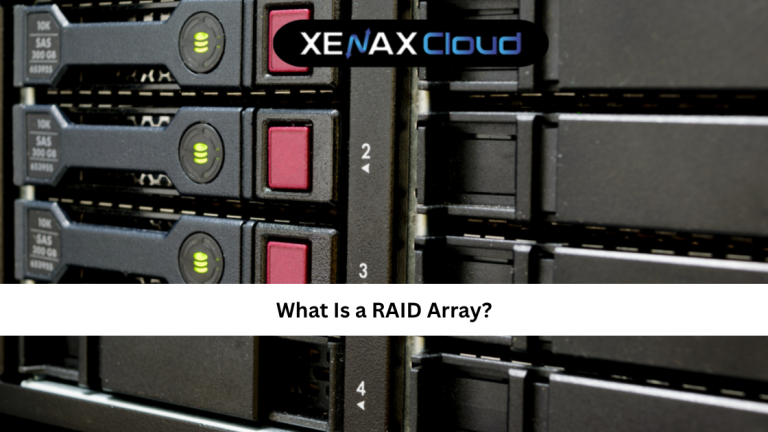
What Is a RAID Array?
To understand what is a RAID array, it helps to start with the meaning of RAID.
RAID stands for Redundant Array of Independent Disks. It is a storage technology that combines two or more hard drives or SSDs into a single storage system. Instead of relying on one drive, a RAID array distributes or duplicates data across multiple drives depending on the selected RAID level.
A RAID array appears as one storage device to the operating system, but internally it manages data across several disks to improve performance, fault tolerance, or both.
RAID arrays are commonly used in:
- Dedicated servers
- VPS hosting
- Enterprise storage systems
- Database servers
- Virtualization platforms
- Cloud infrastructure
- Business backup solutions
Understanding what is a RAID array helps businesses reduce downtime while improving storage reliability and overall server performance.
Why Is a RAID Array Important?
Knowing what is a RAID array helps explain why nearly every enterprise hosting provider uses RAID technology.
Better Data Protection
Many RAID configurations duplicate data or store parity information so that files remain available even if one drive fails.
Improved Performance
Several RAID levels distribute data across multiple drives, allowing simultaneous read and write operations that significantly improve storage speed.
Higher Availability
Servers using RAID often continue operating even after a disk failure, reducing downtime for websites and business applications.
Better Reliability
Instead of depending on a single drive, RAID provides multiple layers of protection that help maintain business continuity.
Enterprise-Level Storage
Professional hosting providers rely on RAID arrays because they deliver the balance of speed, redundancy, and reliability required for mission-critical workloads.
Common RAID Levels Explained
Learning what is a RAID array also means understanding the different RAID configurations available.
RAID 0
RAID 0 distributes data across multiple drives for maximum performance. While it delivers excellent speed, it offers no redundancy if a drive fails.
RAID 1
RAID 1 mirrors identical data onto two drives. If one drive stops working, the second drive continues serving data without interruption.
RAID 5
RAID 5 balances performance and redundancy by storing parity information across multiple disks. It allows one drive to fail while keeping data accessible.
RAID 6
RAID 6 expands upon RAID 5 by allowing two drives to fail simultaneously, making it suitable for critical enterprise environments.
RAID 10
RAID 10 combines RAID 0 and RAID 1, providing both high performance and strong fault tolerance. It is widely used for virtualization, databases, and business applications.
How to Choose the Right RAID Array
Choosing the correct RAID configuration depends on your business requirements, storage needs, and workload.
Consider Performance Requirements
Applications with heavy database activity or high website traffic often benefit from RAID 10 because of its excellent read and write speeds.
Evaluate Data Protection
Organizations storing financial information, customer records, or business-critical files should prioritize RAID levels that provide redundancy.
Understand Storage Capacity
Some RAID levels reserve part of the available storage for redundancy, reducing usable disk space while increasing reliability.
Plan for Future Growth
Businesses expecting rapid growth should choose scalable server infrastructure that supports future storage expansion.
Select Enterprise-Grade Hosting
Reliable RAID storage performs best when combined with SSD storage, enterprise hardware, redundant networking, and proactive monitoring.
For businesses looking for dependable hosting with enterprise-grade storage infrastructure, XenaxCloud Dedicated Servers provide high-performance hardware, advanced storage configurations, scalable resources, and reliable uptime for demanding workloads.
Internal Link: https://xenaxcloud.com/dedicated-server/
Scalability Options for Startups and Agencies
Storage requirements continue growing as businesses expand. Understanding what is a RAID array also means planning for future scalability.
Modern hosting platforms allow businesses to upgrade storage capacity, RAM, processors, and bandwidth without major service interruptions. RAID arrays can also be incorporated into larger storage environments, making them suitable for growing organizations.
Startups benefit by beginning with affordable infrastructure while retaining the flexibility to scale resources as traffic increases. Agencies managing multiple client websites also gain consistent storage performance and improved business continuity.
Recommended Dedicated Server Plans
For workloads requiring RAID storage, XenaxCloud Dedicated Servers are the ideal choice because they provide enterprise hardware and scalable resources.
Dedicated servers are recommended for:
- Large business websites
- Enterprise databases
- Virtualization
- Cloud applications
- High-traffic eCommerce stores
- Mission-critical business infrastructure
The latest discounts and promotional offers are always available on the XenaxCloud Offers page.
Frequently Asked Questions
What is the difference between Indian VPS and foreign VPS?
Can Indian servers handle global website traffic?
Is Indian hosting cost-effective for international users?
How reliable is XenaxCloud hosting?
How to choose the right server for my business?
Conclusion
Understanding what is a RAID array is essential for anyone managing business websites, databases, or enterprise applications. This what is a RAID array guide has explained how RAID improves storage performance, increases reliability, and helps protect valuable business data. By following this what is a RAID array tutorial, you can confidently choose the right RAID level for your infrastructure and ensure long-term storage stability.
For maximum performance and enterprise-grade reliability, choose XenaxCloud Dedicated Servers powered by high-quality hardware and scalable infrastructure. Every hosting solution includes a 15-day money-back guarantee, giving you complete confidence in your investment. Before deploying your next server, visit the XenaxCloud Offers page to explore the latest deals and exclusive discounts.