Choosing the right hosting environment is one of the most important decisions for any website, application, or online business. The debate around shared vs VPS hosting is common because both options serve different needs, budgets, and growth stages.
Globally, businesses are moving online faster than ever. Whether you are launching a blog, managing client websites, or running a SaaS platform, hosting performance directly affects speed, security, and user experience. A slow or unstable server can cost traffic, conversions, and trust.
Indian hosting infrastructure has become a smart choice for global users. It offers strong cost advantages, low latency across Asia, competitive global performance, modern security standards, and flexible scalability. When comparing shared vs VPS hosting, these strengths play a major role in making the right decision.
This guide breaks down shared vs VPS hosting in simple terms, explains real-world use cases, and helps you choose the most suitable option based on your goals.
Shared vs VPS Hosting: Understanding the Core Difference
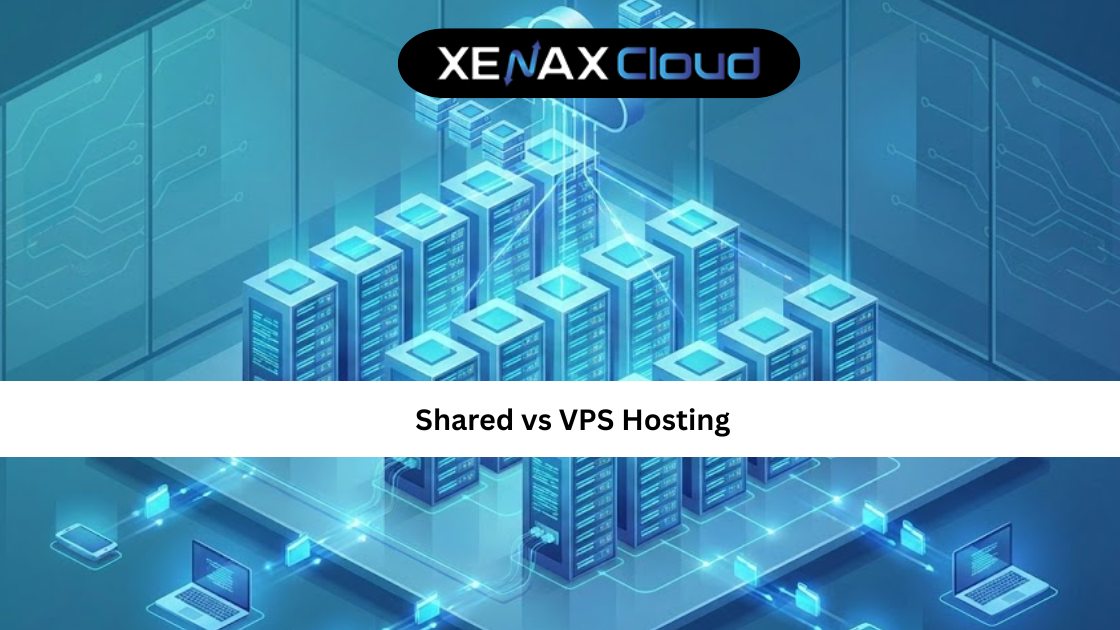
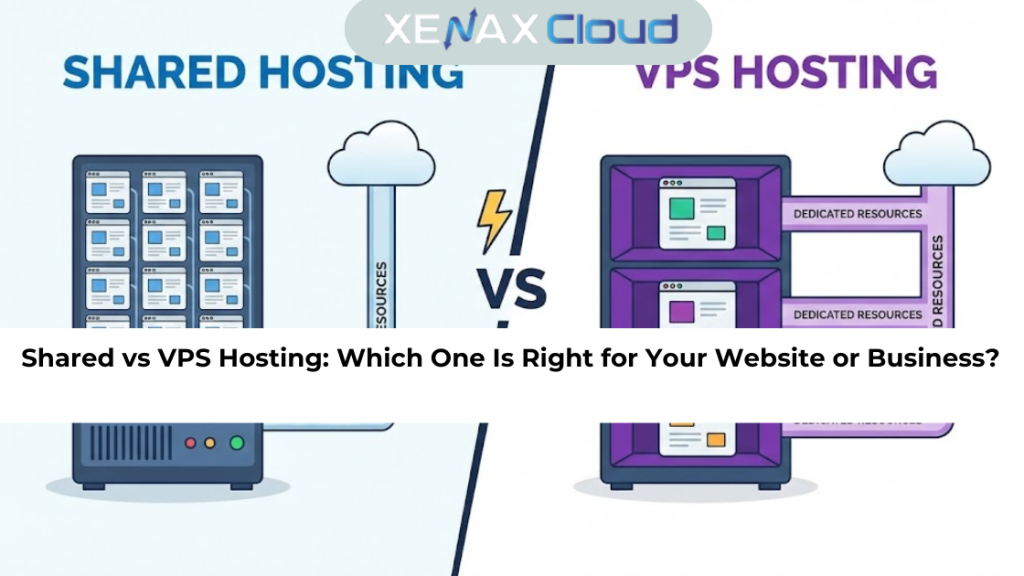
To understand shared vs VPS hosting, think about how server resources are allocated. Shared hosting means multiple websites run on the same server and share CPU, RAM, storage, and bandwidth. This keeps costs low but also limits control and performance.
VPS hosting, or Virtual Private Server hosting, divides a physical server into isolated virtual environments. Each VPS gets dedicated resources that are not affected by other users. This results in better performance, stability, and customization.
Shared hosting works well for beginners and small websites with low traffic. VPS hosting is designed for growing businesses, developers, and performance-sensitive applications.
The key difference in shared vs VPS is control. With VPS, you manage the server environment, install custom software, and configure security settings. Shared hosting restricts these actions to keep the environment stable for everyone.
How to Choose the Right Hosting Plan
Choosing between shared vs VPS hosting depends on your website’s size, traffic, and technical needs. If you are running a personal blog or a simple business site, shared hosting is often enough.
For example, XenaxCloud’s Shared Hosting Silver plan supports 1 website with 15GB storage and 100GB bandwidth. It is ideal for small websites that need reliability without complexity.
However, if your website runs dynamic applications, handles sensitive data, or receives growing traffic, VPS hosting is the better option. VPS plans provide isolated resources, which means your performance does not depend on other users.
Developers and agencies often prefer VPS hosting because it allows full control over the server environment. This flexibility is essential for custom stacks, staging environments, and automation workflows.
Speed, Uptime, and Security Advantages
Performance is one of the biggest deciding factors in shared vs VPS hosting. In shared hosting, a sudden traffic spike on another website can slow down your site. This happens because all users draw from the same resource pool.
VPS hosting avoids this issue by allocating dedicated CPU and RAM. This results in faster page loads, smoother application performance, and consistent uptime.
Security is another major difference. Shared hosting environments limit customization to protect all users. While this is safe for beginners, it restricts advanced security configurations.
VPS hosting allows you to implement firewalls, custom SSH settings, and monitoring tools. This is especially important for businesses handling customer data or running APIs.
Indian VPS infrastructure adds another layer of advantage by offering reliable uptime and strong compliance standards at a competitive cost.
Real-World Use Cases for Shared and VPS Hosting
Shared hosting is commonly used by bloggers, local businesses, and informational websites. These sites usually have predictable traffic and do not require advanced server configurations.
VPS hosting is widely used by startups, SaaS companies, agencies, and developers. Applications like eCommerce platforms, CRMs, and custom web apps benefit from dedicated resources.
Many users searching for cheap unmanaged VPS are developers who want full control without paying for managed services. Unmanaged VPS hosting gives root access, allowing you to configure everything yourself.
Businesses looking for the best unmanaged VPS hosting usually prioritize performance, stability, and scalability over hand-holding support. VPS hosting fits this requirement perfectly.
Why Indian Servers Handle Global Traffic Efficiently
Indian servers are no longer limited to local audiences. Modern Indian data centers connect directly to global backbone networks, enabling efficient international traffic delivery.
Latency across Asia is low, which benefits users in India, Southeast Asia, and the Middle East. With optimized routing, users in Europe and North America also experience stable performance.
Indian hosting providers offer fast provisioning, transparent pricing, and 24/7 support. These factors make Indian VPS hosting a practical choice for global businesses.
When comparing shared vs VPS hosting globally, Indian VPS servers provide a strong balance of performance and affordability.
Scalability Options for Startups and Agencies
Scalability is where VPS hosting truly shines. Shared hosting plans have strict limits. Once your site outgrows them, upgrading becomes unavoidable.
VPS hosting allows you to scale CPU, RAM, and storage as your business grows. This flexibility is crucial for startups that expect rapid growth and agencies managing multiple clients.
For example, Speed KVM VPS 1 with 2 Vcore CPU and 4GB RAM is suitable for small projects. As demand increases, you can move to Speed KVM VPS 3 with 8 Vcore CPU and 16GB RAM without changing platforms.
This scalability ensures long-term stability and cost efficiency.
Shared vs VPS Hosting Comparison
| Feature | Shared Hosting | VPS Hosting |
|---|---|---|
| Resource Allocation | Shared among users | Dedicated to your server |
| Performance Stability | Moderate | High |
| Security Control | Limited | Full control |
| Scalability | Restricted | Highly scalable |
| Best For | Small websites | Growing businesses & developers |
This comparison highlights why VPS hosting is often the better long-term solution.
FAQs
What is the difference between Indian VPS and foreign VPS?
Indian VPS offers cost efficiency and low latency in Asia while delivering reliable global performance.
Can Indian servers handle global website traffic?
Yes, modern Indian servers are connected to global networks and efficiently serve international users.
Is Indian hosting cost-effective for international users?
Indian hosting provides strong infrastructure at competitive pricing, making it attractive worldwide.
How reliable is XenaxCloud hosting?
XenaxCloud delivers stable uptime, transparent plans, and reliable shared and VPS hosting solutions.
How to choose the right server for my business?
Choose shared hosting for small sites and VPS hosting for performance, control, and scalability needs.
Conclusion
The choice between shared vs VPS hosting depends on your goals, traffic, and technical requirements. Shared hosting is a good starting point for small websites, while VPS hosting is ideal for growing businesses, developers, and performance-focused projects.
Indian hosting infrastructure offers a unique advantage by combining affordability, reliability, and global reach. With XenaxCloud, you get flexible hosting options that grow with your business.
If you want stability, control, and future-ready performance, explore XenaxCloud’s VPS hosting today. Every plan comes with a 15-day money-back guarantee, so you can upgrade with confidence. The latest deals and offers are always available on the XenaxCloud Offers Page: https://xenaxcloud.com/offers