Choosing the right hosting solution is one of the most important decisions for any website or online business. Whether you’re launching a personal blog, an eCommerce store, or an enterprise application, understanding the difference between a dedicated server vs shared server helps you invest in hosting that matches your performance, security, and growth requirements.
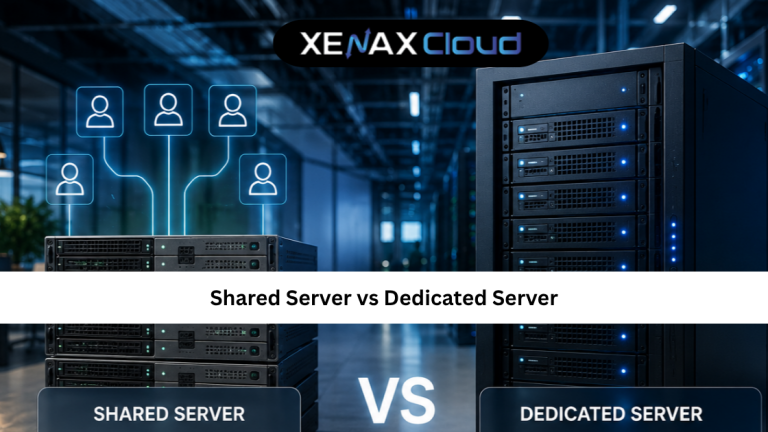
A dedicated server vs shared server comparison isn’t simply about cost. Shared hosting is designed for smaller websites that share server resources with multiple users, while dedicated servers provide an entire physical machine exclusively for one customer. This difference directly affects website speed, uptime, security, and scalability.
The location of your hosting infrastructure is equally important. India has become one of the fastest-growing hosting destinations because it offers cost-effective infrastructure, low latency across Asia, enterprise-grade security, reliable networking, and scalable hosting solutions capable of serving businesses worldwide.
In this dedicated server vs shared server guide, you’ll learn how both hosting types work, their advantages, limitations, and how to choose the best option for your current and future business needs.

Why Indian Servers Are a Smart Choice
Modern Indian data centers provide enterprise-grade infrastructure that supports startups, developers, agencies, and large enterprises looking for reliable global hosting.
Cost-Effective Infrastructure
Indian hosting providers deliver enterprise-level hardware and premium networking at competitive prices, allowing businesses to maximize performance while controlling operational costs.
Low Latency Across Asia
Indian servers provide excellent connectivity across:
- India
- Singapore
- UAE
- Bangladesh
- Nepal
- Sri Lanka
- Southeast Asia
This strategic location improves response times while maintaining competitive performance for users across Europe and other international regions.
Security, Reliability, and Compliance
Modern hosting platforms include:
- Enterprise firewall protection
- DDoS mitigation
- SSD/NVMe storage
- Redundant networking
- 24/7 infrastructure monitoring
- Secure data centers
These technologies improve both performance and business continuity.
Scalability for International Businesses
Whether you begin with shared hosting or move to dedicated infrastructure later, Indian hosting providers offer flexible upgrade paths that support long-term growth.
Dedicated Server vs Shared Server: Understanding the Basics
Understanding dedicated server vs shared server begins with knowing how each hosting environment operates.
A shared server hosts multiple websites on the same physical machine. Every customer shares CPU, RAM, storage, and bandwidth. Because resources are shared, hosting costs remain low, making shared hosting ideal for personal blogs, portfolios, and small business websites.
A dedicated server, on the other hand, provides an entire physical server exclusively for one customer. No hardware resources are shared with other users, resulting in higher performance, better security, and complete administrative control.
When comparing dedicated server vs shared server, the biggest differences involve:
- Resource allocation
- Website performance
- Security
- Server control
- Scalability
- Reliability
- Traffic handling
Businesses expecting continuous growth often begin with shared hosting and later upgrade to dedicated infrastructure as resource requirements increase.
Key Differences Between Dedicated Server and Shared Server
Understanding the technical differences makes it easier to choose the right hosting solution.
Resource Allocation
In a dedicated server vs shared server comparison, shared hosting divides server resources among many users, while dedicated hosting reserves the entire server for a single customer.
Performance
Dedicated servers consistently deliver faster response times because CPU, RAM, and storage remain available exclusively for your applications.
Shared hosting performance may fluctuate whenever neighboring websites experience heavy traffic.
Security
Dedicated servers provide stronger isolation since no other websites share the same operating system or hardware resources.
Shared hosting remains secure for most small websites but naturally involves a shared hosting environment.
Administrative Control
Shared hosting provides limited configuration options.
Dedicated hosting gives administrators complete control over:
- Operating system
- Security settings
- Software installation
- Server optimization
- Network configuration
Traffic Handling
Dedicated servers easily support large traffic volumes, while shared hosting is better suited for websites with moderate visitor numbers.
Benefits of Dedicated Server vs Shared Server
Choosing between dedicated server vs shared server depends on your current business requirements and future growth plans.
Benefits of Shared Hosting
Shared hosting offers:
- Lower entry cost
- Easy website management
- Beginner-friendly setup
- Automatic maintenance
- Suitable for small websites
It works well for blogs, company websites, and startup projects with limited traffic.
Benefits of Dedicated Servers
Dedicated hosting provides:
- Maximum performance
- Enterprise-grade security
- Full server control
- Stable performance
- Better scalability
- Higher reliability
Businesses operating mission-critical applications often prefer dedicated servers because of their consistent performance and flexibility.
Real-World Use Cases
Choosing between a dedicated server vs shared server depends on the type of website or application you operate.
Personal Blogs
Small blogs and portfolio websites usually perform well on shared hosting because they receive moderate traffic and require fewer server resources.
Business Websites
Growing businesses often begin with shared hosting and migrate to dedicated servers as visitor numbers increase.
eCommerce Stores
Online stores handling thousands of products and secure payment transactions benefit from dedicated resources and stronger security.
Enterprise Applications
ERP software, CRM platforms, accounting systems, and corporate databases perform more efficiently on dedicated infrastructure.
Gaming and Streaming Platforms
Applications requiring low latency and consistent performance rely heavily on dedicated servers to deliver a smooth user experience.
Comparison: Indian Servers vs Foreign Hosting
| Feature | India | USA | Canada | Germany | UAE |
|---|---|---|---|---|---|
| Asia Performance | Excellent | Moderate | Moderate | Good | Very Good |
| Global Performance | Very Good | Excellent | Excellent | Excellent | Good |
| 24/7 Technical Support | Available | Available | Available | Available | Available |
| Fast Provisioning | Excellent | Excellent | Excellent | Excellent | Excellent |
| Uptime & Reliability | Excellent | Excellent | Excellent | Excellent | Very Good |
| Security & Compliance | Advanced | Advanced | Advanced | Advanced | Advanced |
| Scalability | Highly Scalable | Highly Scalable | Highly Scalable | Highly Scalable | Scalable |
Scalability Options for Startups and Agencies
One of the most important considerations in a dedicated server vs shared server comparison is scalability. Shared hosting is an excellent starting point for personal websites and small businesses because it offers an affordable way to establish an online presence.
As traffic grows and applications become more demanding, businesses often move to dedicated hosting for better performance and greater flexibility. Agencies managing multiple client projects benefit from dedicated resources that ensure one website never affects another. With scalable hardware upgrades, dedicated hosting supports long-term business growth without sacrificing performance or reliability.
Frequently Asked Questions
Xenax Cloud Dedicated Server vs the usual alternatives
| Feature | Xenax Cloud | Typical Indian shared host | Global budget host |
|---|---|---|---|
| Starting price | ₹7999/mo | ₹199/mo | ₹149/mo (renews ₹499) |
| Storage | 240 GB SSD | 10 GB SSD | 25 GB SSD |
| DDoS protection | 100 Gbps, always on | Basic | Cloudflare only |
| Support | 24×7, in-house engineers | Tickets, business hours | Chat, outsourced |
| Data centre | India (NVMe) | India | Singapore / US |
| Control panel | cPanel / WHM included | cPanel | Custom panel |
Entry-level plans, list prices including GST where shown. Check each provider before buying — prices change.
See Dedicated Server plansWhat is the difference between Indian VPS and foreign VPS?
Can Indian servers handle global website traffic?
Is Indian hosting cost-effective for international users?
How reliable is XenaxCloud hosting?
How to choose the right server for my business?
Conclusion
Choosing between a dedicated server vs shared server ultimately depends on your website’s size, traffic, and business objectives. Shared hosting is a practical option for beginners and small websites, while dedicated servers provide the performance, security, and flexibility needed for enterprise applications and rapidly growing businesses.
If you’re planning for long-term growth, XenaxCloud Dedicated Servers offer enterprise-grade hardware, premium networking, advanced security, and expert technical support to help your business scale confidently. Every dedicated server comes with a 15-day money-back guarantee, allowing you to deploy your infrastructure without risk. Be sure to visit the XenaxCloud Offers Page to explore the latest dedicated server deals before choosing the right hosting solution for your business.