Choosing the right hosting solution is one of the most important decisions for any website owner. Whether you’re launching a personal blog, managing an online store, or running business applications, understanding the difference between a shared server vs dedicated server helps you select the right infrastructure for performance, security, and future growth.
Many businesses start with shared hosting because it is affordable and easy to manage. As websites grow and traffic increases, dedicated servers become a preferred option due to their exclusive resources, higher performance, and greater control. Knowing when to move from a shared environment to a dedicated server can improve website speed, reliability, and long-term scalability.
Indian hosting infrastructure has become an excellent choice for businesses worldwide because it offers cost-effective services, low latency across Asia, enterprise-grade security, reliable uptime, and scalable solutions. This makes Indian servers suitable for startups, agencies, developers, and growing enterprises looking for dependable hosting.
What Is a Shared Server?
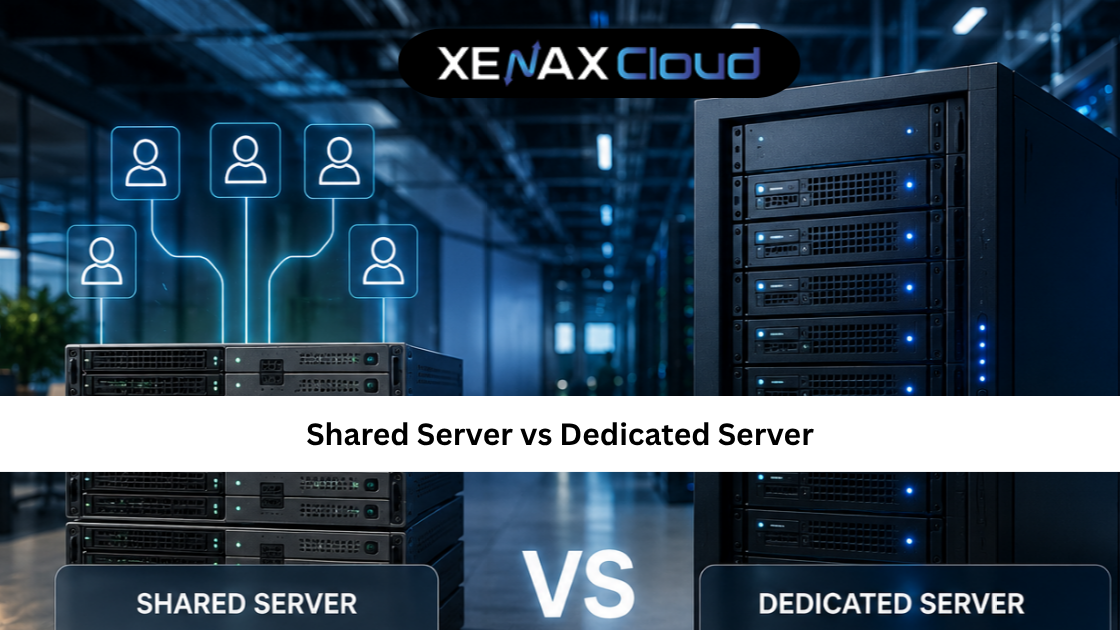
A shared server is a hosting environment where multiple websites share the same physical server and its resources, including CPU, RAM, storage, and bandwidth.
Because resources are shared among several users, hosting providers can offer shared hosting at a much lower cost than dedicated hosting. This makes it an excellent option for beginners, personal blogs, portfolios, and small business websites with moderate traffic.
Shared hosting providers also manage server maintenance, software updates, operating system security, and hardware monitoring. This reduces the technical responsibilities for website owners.
However, since resources are shared, heavy usage from one website can sometimes affect the performance of others hosted on the same server.
What Is a Dedicated Server?
A dedicated server is a physical server assigned entirely to one customer.
Unlike shared hosting, no other websites use the server resources. The customer receives full access to CPU power, RAM, storage, operating system configuration, networking settings, and server-level security.
Dedicated hosting is designed for:
- High-traffic websites
- Enterprise applications
- Large eCommerce stores
- SaaS platforms
- Gaming servers
- Resource-intensive applications
Because resources remain dedicated to one customer, performance remains consistent even during periods of heavy traffic.
Although dedicated servers require a higher investment, they provide significantly greater flexibility, security, and scalability.
Shared Server vs Dedicated Server: Key Differences
Understanding the major differences between a shared server vs dedicated server helps businesses choose the most suitable hosting solution.
Resource Allocation
Shared hosting distributes server resources among multiple users.
Dedicated hosting provides exclusive access to all available hardware resources.
Performance
Shared servers perform well for smaller websites with consistent traffic.
Dedicated servers maintain excellent performance even during traffic spikes because resources are never shared. Performance is often the deciding factor when comparing a shared server vs dedicated server for business websites.
Security
Dedicated servers provide stronger isolation between users.
Shared hosting remains secure but shares the same physical infrastructure with multiple customers.
Customization
Shared hosting offers limited server customization.
Dedicated servers allow complete operating system control, software installation, firewall configuration, and server optimization.
Maintenance
Shared hosting providers manage nearly all server maintenance.
Dedicated servers may require server administration unless managed hosting services are included.
When Should You Choose Shared Hosting?
Shared hosting remains one of the most practical options for many websites.
It is ideal when:
- You’re launching your first website.
- Website traffic is relatively low.
- You have a limited hosting budget.
- Technical server management is not required.
- You want a simple hosting experience.
Shared hosting offers excellent value while allowing businesses to establish an online presence without significant infrastructure costs.
For bloggers, freelancers, local businesses, and portfolio websites, shared hosting often provides all the resources needed.
When Should You Upgrade to a Dedicated Server?
As websites grow, hosting requirements naturally increase.
A dedicated server becomes the better option when:
- Website traffic increases significantly.
- Applications require dedicated CPU resources.
- Security requirements become stricter.
- Large databases need higher performance.
- Businesses require custom server configurations.
- Mission-critical applications demand maximum uptime.
Organizations handling sensitive customer information or enterprise workloads often benefit from the additional control and reliability offered by dedicated hosting.
Choosing the Right Hosting Plan
Selecting the correct hosting plan depends on your website’s size, expected traffic, security requirements, and future growth plans.
For small websites, shared hosting offers excellent affordability and simplicity. Larger organizations with resource-intensive applications should consider dedicated hosting to maximize performance and reliability.
Recommended Dedicated Server Solution
Dedicated servers are best suited for:
- Large eCommerce stores
- Enterprise applications
- SaaS platforms
- Corporate websites
- High-performance databases
- Mission-critical workloads
They provide maximum flexibility, complete server control, and consistent performance for demanding business environments.
Why Indian Servers Are an Excellent Choice
Modern Indian data centers now compete with leading global infrastructure by offering enterprise-grade performance and dependable connectivity.
Some of the biggest advantages include:
- Low latency across Asia
- Competitive global connectivity
- Reliable infrastructure
- Strong security standards
- Excellent scalability
- Fast provisioning
- Professional technical support
These benefits allow businesses to serve both regional and international customers efficiently while maintaining reliable website performance.
Speed, Uptime, and Security Advantages
When comparing a shared server vs dedicated server, performance is often the deciding factor. While both hosting types can run websites successfully, they differ significantly in how they handle traffic, resource usage, and long-term reliability.
Speed
Shared hosting distributes CPU, RAM, and storage resources among multiple websites. This works well for small and medium-sized sites with consistent traffic. However, if one website experiences a sudden traffic spike, neighboring websites may notice slower response times.
Dedicated servers eliminate this issue by allocating all hardware resources to a single customer. This results in faster loading speeds, lower latency, and more consistent performance, especially for high-traffic applications. Security and performance improvements make the shared server vs dedicated server comparison especially important for growing businesses.
Uptime
Reliable hosting directly impacts website availability.
Dedicated servers usually provide greater stability because server resources are never shared with other users. Shared hosting also delivers good uptime for most websites, but overall performance can occasionally be influenced by other accounts on the same server.
Security
Dedicated hosting offers stronger isolation, making it suitable for organizations handling confidential information or business-critical applications.
Security features commonly include:
- Advanced firewall protection
- DDoS mitigation
- Automated backups
- Continuous monitoring
- Secure virtualization
- Regular security updates
Choosing the right hosting environment improves overall security while reducing the likelihood of unexpected downtime.
Real-World Use Cases
Choosing between a shared server vs dedicated server depends on how your website or application is used in real-world scenarios.
Personal Blogs
Personal websites, portfolios, and hobby blogs usually perform well on shared hosting because they have lower traffic and minimal resource requirements.
Small Business Websites
Local businesses often choose shared hosting during their initial growth stage because it provides affordable hosting with sufficient performance for business websites.
Growing eCommerce Stores
As online stores receive more visitors and process more transactions, dedicated hosting becomes beneficial for maintaining fast checkout speeds and consistent performance.
Software Development
Development teams frequently use dedicated servers to create isolated testing environments, deploy applications, and manage multiple services with complete administrative control.
Enterprise Applications
Large organizations rely on dedicated servers to support business-critical software, internal systems, databases, and high-volume customer traffic without sharing hardware resources.
Scalability for Startups and Growing Businesses
Every successful website eventually grows, and hosting should grow with it.
Shared hosting is an excellent starting point for startups because it keeps operating costs low while providing a reliable environment for launching websites.
As visitor numbers increase, businesses often require additional CPU power, RAM, storage, bandwidth, and greater control over server configuration. Dedicated servers make these upgrades easier by providing exclusive hardware resources that support expanding workloads.
Planning for scalability from the beginning helps avoid unexpected migrations and minimizes downtime as your business grows.Scalability is another major advantage highlighted in every shared server vs dedicated server comparison.
Shared Server vs Dedicated Server Comparison
| Feature | Shared Server | Dedicated Server |
|---|---|---|
| Server Resources | Shared among multiple users | Exclusive resources |
| Performance | Good for small websites | Excellent for high-traffic websites |
| Security | Standard isolation | Maximum isolation and control |
| Customization | Limited | Full server control |
| Scalability | Moderate | Excellent |
| Maintenance | Managed by hosting provider | Depends on management type |
| Ideal For | Blogs, portfolios, small businesses | Large businesses, SaaS, enterprise applications |
This comparison highlights that shared hosting is a practical choice for smaller websites, while dedicated servers provide the performance, security, and flexibility required by growing businesses and enterprise applications.
Frequently Asked Questions
Which is better: shared server vs dedicated server?
The best choice depends on your website traffic, performance needs, and budget. This shared server vs dedicated server guide helps determine which hosting solution fits your business.
What is the difference between Indian VPS and foreign VPS?
Indian VPS solutions provide lower latency across Asia while delivering reliable global connectivity, making them suitable for businesses serving both regional and international audiences.
Can Indian servers handle global website traffic?
Yes. Modern Indian data centers use enterprise-grade infrastructure and premium network connectivity to deliver reliable performance for users around the world.
Is Indian hosting cost-effective for international users?
Yes. Indian hosting combines dependable infrastructure, strong security, and scalable resources, making it a cost-effective solution for businesses of all sizes.
How reliable is XenaxCloud hosting?
XenaxCloud offers stable hosting infrastructure, enterprise-grade servers, reliable uptime, responsive technical support, and scalable solutions designed for businesses, developers, and agencies.
How do I choose the right server for my business?
Choose a hosting solution based on your expected traffic, application requirements, security needs, and future growth plans rather than focusing only on the initial cost.
Conclusion
Choosing between a shared server vs dedicated server depends on your website’s current requirements and future growth. Shared hosting is an excellent option for beginners, small businesses, and websites with moderate traffic because it is affordable and easy to manage. Dedicated servers, on the other hand, provide exclusive resources, higher performance, stronger security, and complete server control for demanding applications.
If your website is growing or supports business-critical workloads, upgrading to a dedicated server can improve reliability, scalability, and overall user experience. For businesses looking for dependable enterprise hosting, XenaxCloud Dedicated Server Hosting offers scalable infrastructure designed to handle demanding workloads with confidence: https://xenaxcloud.com/dedicated-server/
Every eligible hosting plan includes a 15-day money-back guarantee, allowing you to try the service with confidence. You can also explore the latest promotions and discounts on the XenaxCloud Offers page before choosing the hosting plan that best fits your business needs.We hope this shared server vs dedicated server tutorial helps you choose the ideal hosting solution for long-term success.