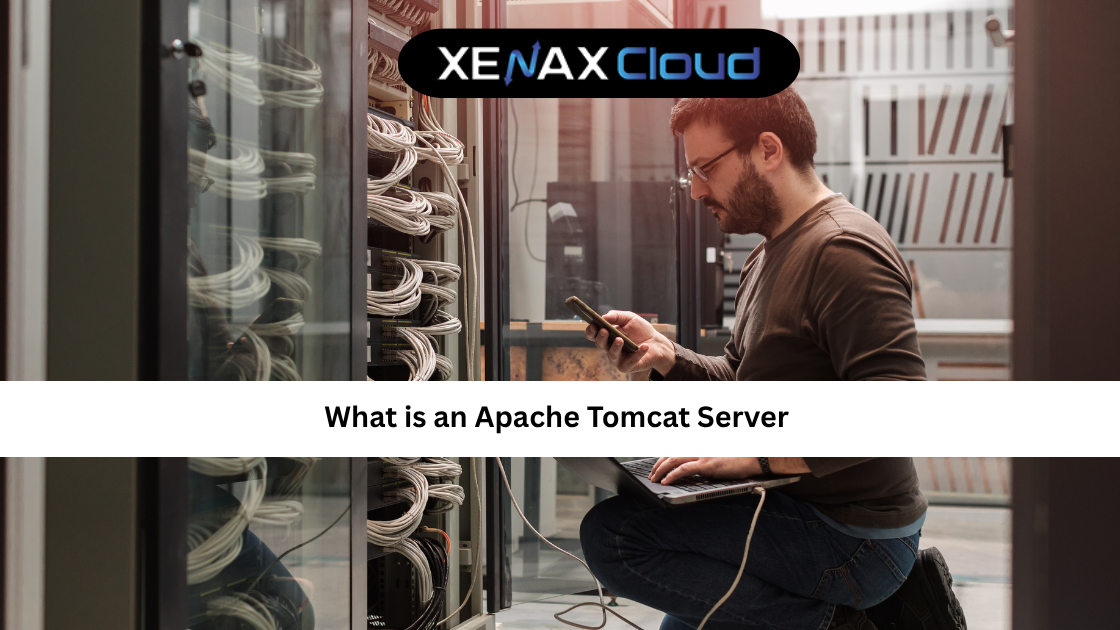
If you are working with Java-based web applications, you have likely come across Apache Tomcat. But many beginners still ask, what is an apache tomcat server guide, and why is it so widely used?
Apache Tomcat is a powerful tool that helps developers run Java applications on the web. It acts as a bridge between your code and users accessing your website or application.
In today’s global environment, performance depends not only on software but also on infrastructure.
Indian hosting infrastructure has become a smart choice for global users. It offers cost-effective pricing, low latency across Asia, competitive global speed, strong security standards, and scalable systems.
This makes it ideal for running applications like Tomcat efficiently.
In this what is an apache tomcat server guide, we will explain how it works, where it is used, and how to choose the right hosting setup.
What is an Apache Tomcat Server Guide Explained
To understand what is an apache tomcat server guide, you need to know that Apache Tomcat is an open-source web server and servlet container developed by the Apache Software Foundation.
It is designed to run Java-based web applications using technologies like:
- Java Servlets
- JavaServer Pages (JSP)
- WebSockets
Unlike traditional web servers, Tomcat focuses on executing Java code.
For example, when a user accesses a Java-based website, Tomcat processes the request and sends the response back to the browser.
This makes it an essential tool for Java developers.
How to Choose the Right Hosting Plan for Tomcat
Running Apache Tomcat requires reliable server resources.
For small applications:
KVM VPS 1
- 2 Vcore CPU
- 8GB RAM
- 40GB Storage
- 2TB Bandwidth
- $5.99
For growing applications:
KVM VPS 2
- 4 Vcore CPU
- 16GB RAM
- 50GB Storage
- 4TB Bandwidth
- $10.79
For high-performance Java apps:
KVM VPS 3
- 8 Vcore CPU
- 32GB RAM
- 80GB Storage
- 5TB Bandwidth
- $17.99
You can explore VPS hosting here:
https://xenaxcloud.com/vps-server/
Choosing the right plan ensures smooth application performance.
Speed, Uptime, and Security Advantages
Understanding what is an apache tomcat server tips also means understanding its benefits.
Fast Processing
Tomcat efficiently handles Java-based requests.
Reliable Uptime
Stable hosting ensures applications remain accessible.
Strong Security
You can configure security settings and access controls.
Flexibility
Tomcat supports customization for different applications.
These features make it a popular choice for developers.
Real-World Use Cases for Apache Tomcat
Understanding what is an apache tomcat server guide becomes clearer with real-world examples.
Enterprise Applications
Large businesses run internal systems using Tomcat.
Web Applications
Java-based websites use Tomcat for backend processing.
SaaS Platforms
Software platforms rely on Tomcat for scalability.
Developer Projects
Developers test and deploy applications easily.
These use cases highlight its importance in modern development.
Why Indian Servers Can Handle Global Applications Efficiently
While what is an apache tomcat server guide focuses on software, infrastructure plays a key role.
Indian hosting infrastructure supports global applications efficiently.
Cost Efficiency
Affordable hosting reduces operational costs.
Strong Connectivity
Indian data centers connect globally.
Reliable Infrastructure
High uptime ensures continuous performance.
Scalability
Resources can be upgraded easily.
This makes Indian hosting a strong option for Java applications.
Performance Comparison: Indian vs Global Servers
| Feature | Indian Servers | US Servers | Canada Servers | Germany Servers | UAE Servers |
|---|---|---|---|---|---|
| Latency (Asia) | Very Low | Moderate | Moderate | Moderate | Low |
| Application Performance | Strong | Excellent | Excellent | Excellent | Good |
| Uptime | High | High | High | High | High |
| Support | 24/7 | 24/7 | 24/7 | 24/7 | 24/7 |
This comparison shows that Indian servers provide strong performance globally.
Scalability for Startups and Agencies
Scalability is essential for Java applications.
Startups often begin with smaller VPS plans and upgrade as traffic grows.
For example, moving from KVM VPS 1 to higher configurations improves performance.
Agencies managing multiple projects benefit from scalable environments.
This ensures stable application performance.
Conclusion
Understanding what is an apache tomcat server guide is essential for developers working with Java applications. It helps you build, deploy, and manage web applications efficiently.
However, performance also depends on the quality of your hosting environment.
Indian hosting infrastructure offers cost-effective pricing, reliable uptime, and strong global connectivity.
XenaxCloud provides powerful VPS solutions designed for running applications like Apache Tomcat. With scalable resources and high performance, it ensures smooth application deployment.
If you are looking for fast, secure, and scalable hosting, XenaxCloud is the right choice to power your Java applications and business growth.